
How do we actually bridge the generational gap in communication and empower younger leaders to show up with confidence? That’s exactly what we’re tackling in this episode of Speaking with Confidence.
I’m Tim Newman, your host and communication coach, and today we’re diving deep into what it means to lead, learn, and grow not just as professionals, but as people who want to make a positive impact on those around us. With Gen Z and millennials set to dominate the workforce by 2030, most leaders still haven’t cracked the code on how to connect with and motivate them. We’re going to change that.
Joining me is Robin Lewis, host of the Big Life podcast, leadership coach, transformational speaker, and business strategist. Robin is all about helping purpose-driven business owners lead with clarity, build with focus, and create organizations that truly last. He brings not just expertise, but real stories and actionable frameworks from his own journey growing, stumbling, and ultimately becoming a leader who helps others do the same.
In our conversation, Robin shares powerful analogies drawn from his life as a new grandparent, reminding us how we all start life eager to learn, unafraid to fall, and willing to try again. We explore how that spirit is too often lost as we grow and what it takes to reclaim it as leaders. Together, we break down reasons why young adults sometimes forget how to communicate honestly, how bottling up ideas becomes learned behavior, and what leaders can do to reverse that cycle by making people feel seen, heard, and valued.
Here’s what you’ll take away from this episode:
-
Why reclaiming a childlike hunger for learning and risk-taking matters in leadership
-
The critical role of being seen, heard, and valued in communication, no matter your age
-
How communication breakdowns aren’t always generational they’re often personality-based
-
Robin’s “Lead to Last” framework and how he developed it after hitting a wall in his own business
-
What separates leaders who say they have purpose from those who truly live it
-
The importance of clarity of self, overcoming limiting beliefs, and defining your core values
-
How to mentor the next generation to think introspectively and with intention
-
Strategies for repairing and learning from failure as both leaders and parents
-
The impact of collaborating instead of competing and finding commonality before difference
-
Practical applications of DISC and other personality tools for team growth and better communication
Whether you lead a business, a team, or your family, this episode is packed with hard-earned wisdom and actionable steps to help you (and those you serve) become more authentic, resilient, and confident communicators. Thanks for joining us let’s keep building the kind of leadership that truly lasts.
Learn more about your ad choices. Visit megaphone.fm/adchoices
Transcript
Tim Newman [00:00:09]:
By 2030, Gen Z and millennials will dominate the workforce. And yet most leaders still have no clue how to communicate with them. Today, we're going to fix all that. Welcome back to Speaking with Confidence, the podcast that helps you build the soft skills that lead to real results. Communication, storytelling, public speaking, and showing up with confidence in every conversation that counts. I'm Tim Newman, a recovering college professor turned communication coach, and I'm thrilled to guide you on a journey to becoming a powerful communicator. Today's guest is Robin Lewis. Robin is the host of the Big Life podcast.

Tim Newman [00:00:45]:
He's also a leadership coach, transformational speaker, and business strategist who helps purpose driven business owners lead with clarity, build with focus, and grow businesses that truly last. Robin, welcome to Speaking with Confidence.

Robin Lewis [00:01:00]:
Hey Tim, so good to be here with you. I appreciate the opportunity to come and share with your listeners.

Tim Newman [00:01:08]:
Well, it's, it's, you know, we've been friends for, you know, not very long, but we've got a lot of things that are in common. And just before we started recording, we, you know, we talked about family and building those intentional relationships, especially with the younger ones, the grandkids. How has that kind of shaped the way that you lead and communicate?

Robin Lewis [00:01:34]:
Yeah, man, well, very much I can tell you. For example, like specifically you and I were talking about the grandkids and we just had our first one. Uh, he's just a year and a half now, so brand, brand new still. And you know, one of the things that, that, that all that struck me, for example, that I actually share with others, I've done a few talks around it is this idea of crawling and falling and walking, you know, so seeing my grandson, how he tackles learning, you know, just. Right. Very curious and very persistent. And he's not afraid of falling. He loves to climb, he loves to try.

Robin Lewis [00:02:23]:
So, you know, he, he started and now he's trying to talk, you know, so I'm seeing this take place. So I'm painting the picture for our listeners because, you know, you kind of like one of the, a couple of things that struck me with it, that's relevant to leadership and such is that we were actually born with this hunger to learn.

Tim Newman [00:02:49]:
Yeah.

Robin Lewis [00:02:50]:
And it actually comes naturally. And, and it's about crawling. It started with him crawling, Tim, and, and falling, trying to get up and then falling. And you know, I won't go through the whole long process, but you, you know, you, you, you know what I'm talking about. Where then he's, then he started to walk. And that process is Something that I think all of us as leaders need to come back to, because I think a lot of times we get away from it. You know, we allow what other people think, how we might look if we fail. We don't want to fail.

Robin Lewis [00:03:31]:
We don't want to fall. And we're concerned about how we might look and what others might think. And then we get away from actually crawling and falling and walking. And what I suggest to leaders is that is something that we need to continuously do. Continually do. And so I don't mean to take this off in that direction, but that's the first thing that comes to my mind. You know, what you and I were talking about now, too, is how precious the grandkids are and family and how we want to arrange our lives and be intentional about being able to spend time with them and to have input in their lives and so on.

Tim Newman [00:04:19]:
Yeah. And there's so much to unpack there. I mean, just from that perspective, what we can learn from young people. Right. Because we forget, you know, we forget about what that learning process is. You know, we forget about, you know, the. The idea of you talked about crawling and walking and running. I look at it from tying shoes and eating and talking.

Tim Newman [00:04:44]:
You know, how young people, you know, especially little kids, they say whatever's on their mind, and then by the time we're 11, we don't say anything. So it becomes learned behavior to bottle things up and not share things, not share ideas, not share thoughts. And then by the time they get to the young adults, young professionals, they're so bottled up that they've really, truly forgotten how to communicate. And then we have to undo all of those things. So we've got to find ways to encourage. Obviously, there's a right way and wrong way. We don't want to just say everything that's on our mind all the time, but we've got to encourage them to share their thoughts, to share their ideas throughout their childhood and into their young adulthood, so that by the time they become professionals, there's not as much of the undoing of poor communication skills that we have to do.

Robin Lewis [00:05:49]:
Yeah, man, it's so true, Tim. I couldn't agree more. You know, like, I think about my grandkid, and I'll trek with you on this because I think it's something that we all need, no matter where we are, what stage we are in life. But, like, we went and spent time with them the other day, and as I was preparing to go, what I was very intentional about is just loving him and let him know how much I loved him. Right. And I think that's true for what you are describing. All of us want to be seen, heard, and valued.

Tim Newman [00:06:24]:
Yes.

Robin Lewis [00:06:24]:
And so what you shared about taking the time to understand where people are coming from, taking the time to understand what some of those things that has shaped them and maybe why they. They are not, you know, free to speak and communicate and so on. It stems around this whole idea of being seen, heard and valued.

Tim Newman [00:06:53]:
Valued. Yeah.

Robin Lewis [00:06:53]:
And I think we all need that. And, you know, at my stage in my life, I want to be seen, heard and valued. And so I don't. It does. I don't think that's something that is true for every person, period.

Tim Newman [00:07:09]:
Yeah. And every person at every stage of their life.

Robin Lewis [00:07:12]:
Exactly.

Tim Newman [00:07:16]:
The first time I heard John Maxwell say this, how do you know someone. Somebody needs encouragement because they're breathing, you know, that's the thing, you know, And I joke kind of another way. How do you know that I'm hungry because I'm awake? You know, it's the. But it's one of those things that's just so simple that we forget about it. And then when it's brought back, you say, wow, it's so simple, but it's also so true. It doesn't really matter where people are in their life. Like you said, they want to be seen, heard, and valued. And that's really the first step to building that connection and finding the common ground or the.

Tim Newman [00:08:07]:
The way that you're going to build whatever it is that you're trying to build somebody.

Robin Lewis [00:08:11]:
Yeah, yeah, Tim. And you know that that comes. That the foundation of that is to recognize that it's not all about you. I think what happened, what can get in the way of that is that I'm thinking about my. Myself or, or my needs or my wants or, you know, what I'm trying to accomplish my goals. And I think the. The more that I take the. The.

Robin Lewis [00:08:38]:
The view off of myself and put it on others is, you know, the better. The better I experience life because that's what it's all about. And it's. But it's not easy. You know, a lot of times it is around me, if I can be transparent. A lot of times I am thinking about me. And especially, you know, you think about somebody who, who might have different beliefs than I do or just fill in the blank for different. They're different than me.

Robin Lewis [00:09:11]:
And sometimes I allow that difference because I'm thinking about me to get in the way of my relationship with them. Yeah, but what I want to be doing is thinking about them and trying to understand where they're coming from. And. And so therefore, really putting the attention and having a genuine interest on who they are.

Tim Newman [00:09:34]:
Yeah. And that's kind of human nature to be thinking about yourself. It's just human nature there. And when you think about the whole idea of imposter syndrome, where getting up in front of a group of people to speak, whether it's at a team meeting, on stage, at a job interview, what have you, and we think. We think that everybody's thinking about us, but the reality is they're thinking about themselves.

Robin Lewis [00:09:59]:
Yes.

Tim Newman [00:10:00]:
And so. So stepping outside of that, that whole thought process of thinking about yourself and start thinking about other people, how are you going to. What are you going to do to be able to connect with them? And part of that first off is. Is being curious and listening and asking good questions.

Robin Lewis [00:10:20]:
Yep. It's so true. And there's. It's. And that's so amazing. You know, as we do take interest in people, it's amazing how. How much they share. People really do hunger that.

Robin Lewis [00:10:34]:
We all do hunger that. Tim, if somebody takes a genuine interest in you, doesn't that motivate you to want to share? Like, you know, they really. They really want to know. They really care. I know. I feel that way. And so as we are that person for others, it's amazing what we can develop from that, because then it won't be long before you recognize that you have things in common.

Tim Newman [00:11:01]:
Right.

Robin Lewis [00:11:02]:
And that's how actually, you know, connections are made, and that's how relationships are built. And. And then when we find those things out, we have a genuine interest in wanting more, wanting to connect more, wanting to get together again.

Tim Newman [00:11:18]:
We focus, I think we focus too much on. What's different about ourselves as opposed to what do we have in common. I'm just kind of making these numbers up. But I think as people, we probably agree societally about 80% of the things. Right. I've never talked to anybody who says they don't want clean air, clean water. I've never talked to anybody that says they don't want to have safe schools. Never talked to anybody who says they want to argue with people all the time.

Tim Newman [00:11:54]:
Right. So if we start with the things that we can agree on and where we have common ground on, and maybe how we get to some of those other things, we have difference of opinions on. But if we are curious and actually listen to what other people are saying, maybe, just maybe, we, number one, we may learn something and Maybe we may be able to come to a common solution that we can agree on.

Robin Lewis [00:12:20]:
Yeah, I couldn't agree more. And that's. That's something that I can be transparent again, you know, especially with family sometimes.

Tim Newman [00:12:31]:
Yeah.

Robin Lewis [00:12:31]:
I have not done that well at that. You know, sometimes it's about. You get into conversations about things where I want to prove my point. I'm right, you're wrong.

Tim Newman [00:12:44]:
Right.

Robin Lewis [00:12:45]:
And. And so. And sometimes, Tim, that's led into, you know, heated conversations and sometimes that's led to saying things that were rude and disrespectful and, you know, literally getting. Getting into arguments and. And so full transparency. You know, like, I. I couldn't agree with you more, but it's something that I have struggled with over time. And it.

Robin Lewis [00:13:10]:
For me, it's. Especially with family. Family. And, you know, and there's some particular family members that I'm. That I can think of where that's actually transpired. But I think it is a sign of maturity for Robin to be able to not be thinking about wanting to prove my point, just to kind of follow along with what you're saying, because I think it's such a good subject that, that you're bringing. That all of us have to consider. It's really a part of our growth and how we show up.

Robin Lewis [00:13:43]:
And so we want to be showing up as that person who is, like you said, looking to learn not to prove a point, looking to understand, to genuinely understand where somebody is coming from.

Tim Newman [00:13:58]:
Right.

Robin Lewis [00:13:59]:
And. And then, you know, sometimes it might mean just agreeing to disagree doesn't mean you have to agree with them.

Tim Newman [00:14:06]:
Right.

Robin Lewis [00:14:06]:
But you are taking the time to get to understand where they're coming from more than you are trying to bring your point across, you know.

Tim Newman [00:14:15]:
Yeah. And I think that's a lot of times where people, you know, lose track of things. You don't have to agree at all. I mean, it's perfectly fine to not agree, but the point is to understand and to put yourself in a position so that you can hear and process their side or their point of view or why they did something the way that they did it, even if it didn't work out. Okay. Again, you don't necessarily have to agree, but now you have an understanding of how they got to that process.

Robin Lewis [00:14:54]:
Yes.

Tim Newman [00:14:54]:
Or how they. How they made those decisions.

Robin Lewis [00:14:57]:
It's so true. And that's such a good thing. You know, one of the things that I teach in my lead to last framework is that one of the most important things is how we view things. It's our perspective. You know, how you view things is how you do things. You've heard the thought, you know, if you think you can or think you can't, you're right, right, right. You know, how we view things, if you. How we.

Robin Lewis [00:15:25]:
What we believe about ourselves, how we view ourselves determines how we show up. Right. How what we view about life is what we get from life. So that perspective is a really important thing. And so what I need to try to do is to step back and try to understand what somebody's perspective is. There is a viewpoint that is leading them to think and act the way that they do. And the more that I can really try to step back to understand that, it's also the better that I will be able to help people as well. Because if I don't really understand that, how can I really help them if they need help? Right.

Robin Lewis [00:16:08]:
I mean, how can I serve them? Say that even better, how can I add value to them? Which is what you and I are about every day, when you get right down to it. And the only way we're going to do that is if we can get to really understand their perspective. What do they believe, first of all, why do they believe what they believe? What's behind that? What is their perspective? What is their viewpoint and what is it based on? Yeah. So healthy to be able to go there. And so, man, you're digging right into it here, sir.

Tim Newman [00:16:46]:
Yes. So let's talk a little bit more about your framework, your lead to last framework. How do you take that, give us a little bit more depth on it. And how do you take that and help leaders become better, to help them lead with more value with their teams?

Robin Lewis [00:17:05]:
Yeah, man, that's a great question. You know, it all stems from me, Tim. I owned an insurance agency. I built and sold a successful Insurance agency at $10 million agency two and a half years ago. And, you know, through that process, I had to become a student of leadership. You know, what happened, long story short, is that our business grew. Well, but then, you know, I became a bottleneck in our business. Like, I was the rainmaker, I was the decision maker, I was the accountant.

Robin Lewis [00:17:47]:
I was handling the problems that came in. I was handling the customer service. And you know, the point is that all the decisions that needed to be made, pretty much most things that needed to be done had to kind of come through me. And we were growing. And as we grew and I brought on people, we continued to grow. And then, you know, the business kind of stalled. It outgrew me. Tim, that's the point.

Robin Lewis [00:18:15]:
And that's when I had to make some changes. That's when I hired my, my first manager and that's when I hired my first assistant. And, and that's when we started. I changed the focus from, you know, just bringing people on to now also developing them, you know, equipping and developing them to be able to, to lead well, to be able to do what needed to be done just as good or better than I could have. And then I would have. And then also that's when I started to put things into place, like systems and processes in place instead of. I used to, I used to, you know, just kind of allow people to do things the way they thought it should be done, you know.

Tim Newman [00:19:00]:
Right.

Robin Lewis [00:19:00]:
And that, you know, that, that, that not a good plan because, you know, number one, everybody has a little different way they think it should be done. And, and number two, I had a way which I think it should be done. And you know, meaning, Meaning, you know, and that could be very significant in some cases. You know, we're talking about our values and how we show up to the world and so on. And the point of all that is that I realized it is that I needed to make a shift and the challenge was me. And so I became a student of leadership and I started investing in my own personal development and my growth as a leader. And then it transferred over into some of these things that I, that I mentioned to you. And so what has happened over time, you know, a lot of times you realize, looking back at things that you thought something was for you, but I now recognize, and a lot of what I have gone through, a lot of what I have learned, I know, actually help people to go through as well.

Tim Newman [00:20:07]:
Right.

Robin Lewis [00:20:07]:
And so this lead to last framework helps people to develop clarity and focus and grow as leaders and to develop the resilience that they need in order to build lives and businesses that last in a nutshell.

Tim Newman [00:20:25]:
I love that. And you know, you talk a lot about purpose driven, you know, purpose driven business owners and having a purpose. But, you know, I think sometimes it gets lost in translation here. So what's the difference between someone who, who says they have purpose and someone who actually leads with purpose?

Robin Lewis [00:20:49]:
Man, that's such a good question. So for me, you know, what I refer to, have you heard the concept. I heard it from Rory Vaden. I don't know that he originated this thought, but he certainly is known for saying it is that you are most powerfully equipped to serve the person you once were. And so that's One of the things that I wanted to do with my business, still do today is for it to be more than just about the numbers, but for it to be about making an impact, making a difference. And so I found that the people that I best serve are those who are interested in more than just the numbers. They're also interested in making a difference, making an impact, serving their community. They're more concerned with, you know, developing people than using people.

Robin Lewis [00:21:50]:
They're so they. There. The underlying thing there is that they want to make a difference and make an impact.

Tim Newman [00:21:59]:
That's. That's so important because, you know, talk is cheap, right?

Robin Lewis [00:22:07]:
Yep.

Tim Newman [00:22:09]:
Behavior is a language. Right. And so somebody can say something, say something and say something, but then watch what they do. And people follow what people do, not what they say. And so, you know, when you say you want to. Want to lead with purpose, you actually have to lead with purpose. What's your purpose? Have it, stay, have it. So everybody knows what your purpose is.

Tim Newman [00:22:34]:
And then go out and live that purpose. Yeah, that. It's, It's. It's not something that you have to become. It's just who you are.

Robin Lewis [00:22:41]:
Yes. That's so good. I love it. And that's. I agree with you because I think it is a process. You know, I think, like, I grew into that. I did start out, like, you know, wanting. My goals were for Robin and family.

Robin Lewis [00:22:55]:
You know, like, I had the goal of paying off my mortgage. I had the goal of owning a boat. I had the goal of, you know, a lot of the things that I was going after were things that would. That would. That were for me. Right. But I think you grow as you grow. And so John Maxwell, your.

Robin Lewis [00:23:12]:
Your. Your mentor. My mentor talks about going from success to significance. I think there is a process there that, yes, we, you know, go after success. And I think after we achieve success or some degree of it. Right. It all depends on what your definition of success is. But after you have achieved, you get to.

Robin Lewis [00:23:34]:
Now get to that next level, which is how can I serve others? What am I doing to make an impact? Right. So I think it is the. You grow in stages. And so maybe I didn't start there. And so the person that I serve has already maybe built a successful business somewhat, and they get to realize that a lot of what. A lot of their business is still dependent on them. And so I come beside and help them now to put some of these things into place. And so, yeah, that's some of the distinction there.

Tim Newman [00:24:13]:
And I think goes back to what we opened the session with crawling, walking, running. Right. From a leadership perspective, from a business perspective. Yes. I, I'm not. This isn't right or wrong. It just kind of is. When you start a business, yes, you start it for you.

Tim Newman [00:24:33]:
You started to meet your, your, you and your family's wants and needs. And then as you like, as you start to hire people now you realize, okay, I'm now responsible for somebody else, somebody else's family and creating something, helping, either creating something or helping them create something for them. And then the more you hire people and now you say, oh my gosh, I have no idea. This is where we're falling down. I have no idea how to truly help them. And this is where the leadership training and the coaching really, really comes into play. And our growth has to evolve with that as well.

Robin Lewis [00:25:13]:
Yes, it's so true. And yeah, you know, and so what I do is help people go through that process. You know, a lot of times you can look back and recogn some of the things that worked and the journey that you took.

Tim Newman [00:25:26]:
Right.

Robin Lewis [00:25:26]:
And so I can help take people on a journey. You know, like one of the pillars of, in the lead to last framework, for example, is, is clarity of self. And you know, one of the things there that I think a lot of, A lot of us, period, whether you're a business owner, leader in an organization, or a leader of a family, is we lose sight of who we are. So identity is a big part of that, that we go through what we believe about ourselves. You know, a lot of us have limiting beliefs. I'm one of those. That's where I came from. My personal testimony is that I had, I struggled with self doubt and uncertainty.

Robin Lewis [00:26:09]:
And so it was hard for me, like you know, where that showed up in business, for example, because a lot of times I didn't even real. If you asked me that question sometimes I wouldn't have answered it that way. But looking back, I realized I certainly did. You know, I didn't have clear values, for example, for our company a lot of times when I, when I. Some of the mistakes that I made when I hired people, and this is the whole idea of crawling and falling and walking that you are talking about is I hired a manager, for example, and I was allowing them to come in and create the culture that they thought we needed, you know, and that's not the way that it works. And. But I did that out of uncertainty of myself and lack of clarity of what my values are. So I.

Robin Lewis [00:26:59]:
Clarity, the clarity of self goes through some of those things. You know, who are you, apart from your role, put your role to the side. Who are you? What do you believe about yourself? And where does that come from? Is it based upon the truth or is it based upon maybe something that happened to you, maybe authority figure in your life earlier on or maybe a peer out on the playing field of life or whatever? Right. We all have beliefs that are limiting beliefs about ourselves. And as you and I mentioned earlier on, we can't get beyond that. You know, it puts a ceiling on what we can achieve. The other part of that is the story that we tell ourselves. You know, a lot of times we, we tell ourselves stories, we're convinced that they're true, but a lot of times it's just based upon a belief that we, that we formed.

Robin Lewis [00:27:52]:
And so we help people to acknowledge those and then work on changing them. And then the last part of that is values. You know, what are your values? Right. Like really. And, and then how, what are you going to do to really manage living that out? And so that's just an example of something because, you know, the first person to lead in leadership is yourself. It's myself. And, and, and, and so part of that is getting clarity around who I am. And, you know, through that process, you gain confidence with the clarity, you gain a focus of what you are about, and then you get this clarity around purpose as well.

Robin Lewis [00:28:34]:
You know, recognizing that you are here on this, in this earth with purpose.

Tim Newman [00:28:40]:
Right.

Robin Lewis [00:28:41]:
You have a unique purpose that only you can bring, Tim. You know, in other words, there is no other Tim Newman.

Tim Newman [00:28:51]:
Exactly.

Robin Lewis [00:28:52]:
There's no other Robin Lewis. It's just one. You know, the, the mold has been put away. And so there is a uniqueness that we bring. There's a uniqueness that every one of our listeners bring to this world that only they can bring. And the more that we can buy into that, recognize that, and then come from that is the better we're going to live, the better we're going to be fulfilled. And the better difference, the more of a difference that will make in whether in the business world, in the whatever world where whatever, wherever we are, like you said, how we show up.

Tim Newman [00:29:31]:
Yeah, And I think about this a lot. We don't teach kids or the younger generation to do that type of introspection at all. We just kind of expect that it's going to happen. And then all of a sudden, now we're 30 and we don't know who we are as individuals. We don't know what we truly believe, what we truly value. And now we're expected to just come up with it. How do we change that culture? How do we get people to truly start thinking about who they are at a much younger age and understand that obviously some things are going to change as we get older? Our core values probably should not change, but some of the things that we believe or how we come up about things, if I think if they don't evolve over time, then we're probably doing life wrong. But how do we teach people to do that type of introspection when they're younger so that it doesn't become such a problem or become such a burden when they get older?

Robin Lewis [00:30:42]:
Yeah, it's such a good question, sir. And I first, I would pause and just congratulate you, first of all, for one of the ways to answer that question is what you do through your podcast. You're sharing these types of principles and truths for your listeners. And so I think a lot of it is making people aware. I think the second part of that is mentoring. I think we have a responsibility to be passing that on. And then, you know, that leads me to where I think it starts. It starts in the home.

Robin Lewis [00:31:15]:
Right. So I want to try to be able to help to instill these types of principles or, you know, to help My, my kids know. My, my. We only have one, and she's a. A mom now, so she's beyond these stages. But not to say we're. We're always a parent. Right.

Robin Lewis [00:31:34]:
We can always share.

Tim Newman [00:31:35]:
Oh, yeah, right.

Robin Lewis [00:31:37]:
But especially, like you're asking for the younger ages, you know, to do that and encourage that in the home. Right. Take time out to have those types of discussions with your kids. If there's somebody listening to us today and you have young, younger kids, that's something that I would encourage you to do. Have those types of discussions, share what yours are. Tim, I think a good place is for you as an adult. The parent, then, that we're speaking to is what are your values? Right. And are you sharing them with your.

Robin Lewis [00:32:16]:
With your kids, Tim? I hear a lot of parents talk about that now. Myself and my wife, her name is Edna. We didn't do that that well growing up. We did to a certain extent, but we didn't have, you know, like, some people have, like, family meetings where they're discussing the values of the family. You know, like, my last name is Louis. The, the Lewis family. Here's what we. Here's who we are, here's what we believe.

Robin Lewis [00:32:46]:
And I think the more that we can do that, the better it's it's going to encourage our kids to also consider that for themselves. Right. So we're. So we're having discussions around those things. These are. These are the type of things that I want to share with my grandson. Right. As he grows older, I want to try and instill them.

Robin Lewis [00:33:07]:
So that's what I mean, where I think it starts from home. But then if we go beyond that, now it's about doing what Tim is doing and bringing this to the world. Now it's about what Robin is doing and helping people individually to try and figure these things out. And so you and I are about helping to add value to people's lives. And I think that's how we. That's one of the places, as I mentioned, that we start. And so, you know, we can't maybe do them all. Right.

Robin Lewis [00:33:37]:
Right. There's how many billion people in this world? But we can start with one, and then that one can make a difference.

Tim Newman [00:33:45]:
Well, and I'm glad you said that because, you know, I talk about that all the time in that we can't necessarily worry about what's happening on a macro level. We can only really affect the people that are in our inner circle. Yeah. Right. And it's like. It's like a ripple. Throw a pebble in a. In a body water and watch the ripples.

Tim Newman [00:34:04]:
You know, I can affect you, and hopefully you'll throw the pebble, and then they'll throw a pebble, and they'll throw a pebble. And that's how we get to it, you know, to. To more significance to more people.

Robin Lewis [00:34:17]:
But I love the thought.

Tim Newman [00:34:19]:
Focus on what's. On what you can control or focus on what's near you, and that's what's going to really help.

Robin Lewis [00:34:26]:
Yeah.

Tim Newman [00:34:26]:
And I. I had. I actually threatened my kids last week that we were getting ready to have another family meeting about where we all live, because, you know, just trying to coordinate stuff. I said, if you guys don't get together and you don't move down here, I'm gonna call a family meeting and I'm gonna make all the decisions and pack up your houses.

Robin Lewis [00:34:50]:
I love it. Oh, gosh. But, sir, I do want to emphasize something that you talked about there. You know, it's really about collaborating, you know, so, yeah. What I can do by myself is only so much, and I can make a difference, but what I can do with others who want to make a difference. Yeah. Can multiply. And so I think, you know, we live in a world now where it's usually.

Robin Lewis [00:35:21]:
It's more about us against them. It's more about being divisive and you stay over there and I'll stay over here. But what I hear you talking about is the more that we can actually come together around. Let's just say what you were talking about. How can we help the next generation with this? It's, it's about how you want Tim and Robin getting together and, and with others and figuring out how we can, you know, work together to multiply. The impact is so important.

Tim Newman [00:35:53]:
Tim Elmore does a really good job with generational research and intergenerational working together. But, you know, I think, and I buy into it 100%, right? But I think a lot of times a lot of the communication and leadership breakdowns don't aren't necessarily generational because we can find common ground. They're personality based. How are you using tools like DISC to help leaders stop misreading people so they can learn how to interact with people that approach things differently?

Robin Lewis [00:36:29]:
Oh man, it's a huge tool. I talk about patterns. When I talk about the stories that we tell ourselves in the clarity of self pillar, I talk about the patterns that we have. And that's what discs. So I bring up DISC as a big part of that because what DISC is for our listeners is it's a personality assessment that helps us to understand, you know, and it's based upon a model called disc, where you have four muscles, I like to call them. And so we all, we have all of these four. So it's not about putting somebody in a box. But by this assessment we can tell which muscles have been developed the most.

Robin Lewis [00:37:13]:
And based upon those muscles, we can see patterns and tendencies that we all have. And the beauty of that, Tim, is that not just that we get to understand ourselves, but then we also get to understand the patterns that others have as well. And then we can get to adjust our communication accordingly. We can get to adjust our understanding of where they're coming from, why they do what they do. Sometimes, you know, like my wife and I have different personality types and sometimes she can do things. And I guess I shouldn't say that without being specific, but she's, she's a di. So she's the dominant. She's a task oriented.

Robin Lewis [00:37:59]:
She wants to get right to it. So if she comes into a place, she's getting right to the task at hand. And sometimes it's very easy for her to walk right past people without even saying hello and going right to what it is that she needs to get done because she knows she's here to get this done. And sometimes I might look at that and say, oh, my goodness, did you realize you just walked past him? Did you realize that? And. And it's not that I'm making. This is another very important part of that, this process, by the way. In fact, let me just stop and say it right now. So it's not an excuse for Edna to walk past Tim.

Robin Lewis [00:38:36]:
Edna now has to understand her tendency, and then she has to recognize that Tim is a person and is more important and needs to be acknowledged. And so she has to make the adjustment. She has to pull on the other muscles that she has. Maybe she doesn't have the tendencies not her go to. She's after the task, but she has to come back and recognize that, hey, Tim is here. And so that is a part of it too, where we develop ourselves when we understand our patterns. But coming back to what you were saying now, understanding that about her, it doesn't drive me as crazy as it did before, you know, and maybe it might just be for me to say to her, hey, by the way, you remember Tim is there, and not take it like, she doesn't really care about Tim because she cares about Tim. I wondered about that when I didn't understand this Tim.

Robin Lewis [00:39:37]:
So to answer your question, it helps you to understand people and therefore communicate with them a whole lot better. And people can learn that about you and therefore communicate with you a whole lot better as well.

Tim Newman [00:39:53]:
You know, it's. I like that you use the idea that it's a muscle.

Robin Lewis [00:39:59]:
Yeah.

Tim Newman [00:39:59]:
And so one of the things that, you know, John Maxwell talks a lot about is walking slowly through the hall, right?

Robin Lewis [00:40:08]:
Yes.

Tim Newman [00:40:09]:
There's a reason for that, and that is just not me. I'm okay. I got to get from point A to point B because I got stuff to do. And my wife and I went to an event this week, and I told her before we got there, I said, one of the things we're going to do today is walk slowly through the hall.

Robin Lewis [00:40:30]:
Yeah, I like it.

Tim Newman [00:40:32]:
And practice that. And she didn't understand what I meant right away. And then when I kind of explained to her, so, yeah, you really need to start doing that. But it's understanding who we are as an individual and what we need to do. To Robin, it goes back to what we talked about at the very top of the show. Right. Learning and getting better at things and trying things and not getting up when we fall down. Understanding that where our weaknesses are.

Tim Newman [00:41:05]:
And for me, walking slowly through the halls and making connections with people in Between. I'm good at making connections at point A, I'm good at making connections at point B, but I'm horrible at making connections in between point A and point B. Yeah. And understanding that and learning that and finding ways to get better at something that we know that we're not good at. That's part of being a leader. That's part of being an adult. That's part of being a professional. And finding ways to be able to do that is critical.

Robin Lewis [00:41:38]:
That is so true. And it's true about life. I agree with you. It's a very important principle that you're sharing. You know, there are a lot of things that, you know, I realized that I thought I knew, but I didn't know. But the more that I go along there, there are some things that I know that I know that I know even more.

Tim Newman [00:41:59]:
Right.

Robin Lewis [00:42:00]:
And what you're sharing is one of them is that we. We crawl, we fall, we walk, and that's how we live life. That's how. And we have to. You know, it's uncomfortable. Like putting yourself in that situation that you just described. Being in between the A and B is uncomfortable. Right.

Robin Lewis [00:42:20]:
You don't feel comfortable there. You're stretching yourself. You're going outside of the norm for yourself, but that's the only way. You got to crawl. But if we crawl, if you do it, then you're going to get better at it, and you're going to get better at it, and then you can start. You're going to fall, but then you're going to start walking in that regard. And, Tim, I think one of the things that, like, I had. If I can be transparent with you, we just had one child, our daughter.

Robin Lewis [00:42:54]:
And even as an adult, like in. In her 20s, I remember sitting down with her and I wanted her to understand that I may have messed up as a dad. There were a couple of times where my approach to discipline her was not the best approach. She did something that I. That I didn't think it was a good thing for her to do. And my reaction to her was not the best. So I apologize to her even before what I'm sharing with you now. But I was so concerned with not wanting to.

Robin Lewis [00:43:30]:
I didn't want to paint the picture that failure is a bad thing. That's the thing as a parent, that I did not want to paint that picture to her. And so I came back to her as an adult and I spoke specifically about that because I. You and I know, Tim, that failure and success actually go together.

Tim Newman [00:43:50]:
Together, right.

Robin Lewis [00:43:51]:
Yeah. Your only way you're going to be successful is to crawl, to fall, and to walk. You're not going to be good at whatever it is that you're attempting the first time. You're not going to be. You're going to fail. Right.

Tim Newman [00:44:05]:
And.

Robin Lewis [00:44:06]:
And so we have to become comfortable with that. And I think, you know, sometimes we. We take it too personally.

Tim Newman [00:44:14]:
We're.

Robin Lewis [00:44:14]:
Or we're fearful of what others think or say or how we might look. And, you know, there's. I don't mean to make light of that. There's there. That could come from a father figure like me.

Tim Newman [00:44:27]:
Yeah.

Robin Lewis [00:44:28]:
Like how I treated my daughter when. When she was growing up. And I wasn't that bad. I don't want to paint the wrong picture. I wasn't that terrible.

Tim Newman [00:44:37]:
Robin, we all make mistakes. I mean, that's the point. That's the.

Robin Lewis [00:44:42]:
And it can affect others. Like, you know, that's a significant role that we play in somebody's life. And so, you know, so I think we can. We can. If somebody's listening to us today, that failure is getting in the way that. That maybe you have. You have. You are defining yourself by it here, Tim.

Robin Lewis [00:45:06]:
And I, to you today, failure does not define you. It's actually a good thing because now, you know, the way that doesn't work. So you can make adjustments. The key to making the most of failure is learning from it. When. When my grandson falls, he gets back up and he tries something a little bit different and just applying, trying to. When he was learning how to balance himself, he didn't. He didn't, you know, think that it meant that he couldn't walk.

Robin Lewis [00:45:42]:
Are you hearing me?

Tim Newman [00:45:43]:
That's it.

Robin Lewis [00:45:43]:
Yeah. And so he got back up, and then he tried something else that doesn't work. Let me try it this way. And he fell a few times. You know, we're gonna fall as we go along in life, but the key there is learning from it, making the adjustment, and then getting back up again. Again. And that's one of those truths that I know to be true. And it's.

Robin Lewis [00:46:06]:
I think it's one of the themes, like you said, Tim, in our discussion today.

Tim Newman [00:46:12]:
It really is. And you said some things that made me think about a couple of different things. I had a very similar conversation with my oldest daughter just yesterday where she made a mistake with my granddaughter. And I properly chastised her. Don't you treat my granddaughter that way. But we had that conversation, and I said, you know, here are seven things that I remember very vividly where I made mistakes with you and your sister. And I just listed them off and said, I can't believe you still think about those things. Of course I think about those things because I made mistakes.

Tim Newman [00:46:51]:
You guys still turned out okay, but I don't want you to make those mistakes, you know? But if you do, it's still going to be okay, right? It's not. That's part of it. Another one is I just took a class, finished a class maybe last week, and part of the final exam was somebody was. The instructor was going through my PowerPoints, okay? And she was picking them apart. Your letters are too close together. They have to be a little bit bigger. This isn't centered, whatever it is. And she said, I'm sorry I'm being so picky.

Tim Newman [00:47:29]:
I said, no, this is what you're supposed to do. I'm a big boy. We're doing this for me to get better. And so. Well, a lot of people don't like being corrected that way. I said, well, I can't. That's on them. I took this class because I want to get better.

Tim Newman [00:47:50]:
And you're not doing. You're not. You, as the instructor, aren't doing anybody any favors if you're not doing your job, if you're not being critical, because these PowerPoints, I could be delivering a virtual class to 20,000 people. And if it's not right, if it doesn't look good, then I'm not delivering the value that I need to be delivering to them. They're not getting the message. They may not be getting the message.

Robin Lewis [00:48:15]:
Yes.

Tim Newman [00:48:15]:
It could affect so many other things. So it's okay to be, as an individual, not perfect, but be open to being correct. Be open to fixing things, be open to not having things done perfectly, and that's fine, but be open to hearing that criticism.

Robin Lewis [00:48:36]:
Yes. It's so true, and I think it's a valid point for your message. So you're living it. Your message is speaking with confidence, and you know how to communicate well, and you're living that out as you're. As you are improving in regards to that PowerPoint, whatever it was that you were. You were presenting. You're. You're.

Robin Lewis [00:49:01]:
You're going to be more confident as you make those mistakes and as you learn and you apply that, you're going to be a better communicator. And, and so it's, it clearly applies to your message, Tim. It's. It's step out. You know, you're going to. I teach people this about public speaking, for example. You know you only way you're going to get better is to actually speak.

Tim Newman [00:49:28]:
Yes.

Robin Lewis [00:49:28]:
Right. A lot of times we allow the fear of it to get in the way of us even doing it. But you have to apply the crawl, fall and walk. In that regard, you're not going to be the best the first time, you're probably not going to be the best the second. You're not going to be the best the third time either. But the point is, is that it takes you actually going through it and falling, failing, messing up, learning from it, learning from it and then improving, changing a little bit for the next time, but then step out again. And so it's such a good principle to apply when it comes to speaking with confidence and communication in general.

Tim Newman [00:50:16]:
So Robin, where can people connect with you and learn more about your work with purpose driven leaders?

Robin Lewis [00:50:22]:
Yeah. Well, so they can go to robinlewisleadership.com Robin lewisleadership.com or Tim, if there is somebody here that wants to dive in a little bit more in terms of strategy on their business and their leadership, they can set up a call@freeleadershipstrategycall.com freeleadershipstrategycall.com

Tim Newman [00:50:49]:
and I'll put those links in the show notes and also make sure they listen to your podcast. Can be found wherever. Podcasts?

Robin Lewis [00:50:59]:
Yeah, wherever they listen to on podcasts. It's the Big Life podcast. I co host it with Neil Oates Jr. So it's the Big Life podcast. And yeah, thank you for allowing that, Tim. I appreciate it being here with you today, sir.

Tim Newman [00:51:17]:
Robin, I really enjoy the conversation. It's always good talking with you and catching up with you and take care and we'll talk to you soon.

Robin Lewis [00:51:23]:
All right, man. Bless you.

Tim Newman [00:51:27]:
Be sure to visit speakingwithconfidencepodcast.com to get your free eBook, Top 21 Challenges for Public Speakers and How to Overcome Them. You can also register for the Formula for Public Speaking course. Always remember, your voice has the power to change the world. We'll talk to you next time. Take care.
 About Robin Lewis
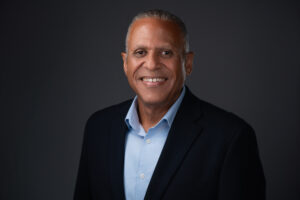
Robin Lewis is a sought-after leadership coach, transformational speaker, and business strategist who helps purpose-driven business owners elevate their leadership and grow businesses that are built to last. With over 30 years of business leadership experience—including building and selling a $10M+ agency—Robin empowers clients to elevate their leadership and grow businesses that are built to last. He is the author of The Lead to Last Framework, Cohost of The BIG LIFE Podcast, and a certified Maxwell Leadership Coach, DISC Consultant, and SHRM Recertification Provider. Robin has spoken to audiences of over 5,000 across the U.S., Latin America, and Brazil, and is known for his faith-rooted, encouraging approach to helping leaders grow with purpose and build legacy.
Connect with Robin:
LinkedIn: https://www.linkedin.com/in/lewisrobin/
Facebook: https://www.facebook.com/Robinlewis411/
Instagram: https://www.instagram.com/robinlewisteam