
What does it really take to be heard across generational lines, and how can we bridge the communication gap between Gen Z and other generations? That’s the big question we tackle in this episode of Speaking with Confidence.
I’m Tim Newman, and today we dive into the evolving landscape of communication far beyond polished speeches and proper grammar. It’s about making people feel seen, heard, and understood. This episode features an eye-opening conversation with Raquel Borras, creator of “Rock the Boat,” founder of Rock Vision, brand strategist, podcast host, and filmmaker. Raquel is on a mission to help us stop talking about Gen Z and start listening to them, taking the bold step of traveling cross-country in an RV to connect with Gen Zers face-to-face and create her new documentary, “I Hear You, Gen Z.”
In our conversation, Raquel shares what drove her to leave her corporate job, fund her filmmaking adventure with her own savings, and the life-changing experiences that unfolded along the way. We discuss the importance of not burning bridges, as Raquel recounts her ongoing positive relationship with her former company illustrating how supportive networks are crucial, no matter where your path leads.
Raquel gives us an inside look at the journey of making “I Hear You, Gen Z,” sharing the surprises and lessons learned as she met young people across the country. What stood out most was Gen Z’s reliability and willingness to show up and engage, challenging so many tired stereotypes about this generation’s work ethic and priorities. We talk about the often-overlooked impact of the pandemic on Gen Z’s communication skills and how, instead of blaming them, we need to recognize the responsibility of older generations for shaping the current social and technological environment.
In this episode, we cover:
-
Why making others feel heard is the ultimate communication skill
-
Raquel’s leap from corporate to purpose-driven storytelling
-
The real-life lessons from traveling the country for “I Hear You, Gen Z”
-
Busting myths about Gen Z’s work ethic, reliability, and motivations
-
The impact of the pandemic and social shifts on Gen Z communication
-
How adults are responsible for many of the systemic challenges facing youth
-
Reverse mentoring and breaking down generational silos in the workplace
-
Evolving approaches to parenting, boundaries, and building trust
-
How technology both enables and complicates real connection
-
Finding and valuing every story: why every voice matters
-
Inspiring stories of Gen Zers making a difference and how we can all learn from them
Ultimately, if you want to build real confidence in communication at home, at work, or in society this conversation is for you. We can change the narrative, embrace empathy, and start seeing every generation, including Gen Z, as teachers, leaders, and partners in progress.
Learn more about your ad choices. Visit megaphone.fm/adchoices
Transcript
Tim Newman [00:00:09]:
The greatest communication skill isn't speaking. It's making people feel seen, heard, and understood. Today's guest spent weeks traveling across America in an RV to test that idea, one conversation with Gen Z at a time. What she discovered may just surprise you. Welcome back to Speaking with Confidence, the podcast that helps you build the soft skills that lead to real results— communication, storytelling, public speaking, and showing up with confidence in every conversation that counts. I'm Tim Newman, a recovering college professor turned communication coach, and I'm thrilled to guide you on your journey to becoming a powerful communicator. Today's guest is Raquel Borras. She's on a mission to help us stop talking about Gen Z and start listening to them.

Tim Newman [00:00:53]:
Raquel is the creator of Rock the Boat, founder of Rock Vision, a brand strategist, a podcast host, and now a filmmaker. Her new documentary, I Hear You, Gen Z, premiered on July 30th and explores what happens when young people are finally given something many of them say they've been missing. That's a voice. Raquel, welcome to Speaking with Confidence.

Raquel Borras [00:01:16]:
Thank you for having me. Speaking of voices, you have a great radio voice. Wow.

Tim Newman [00:01:22]:
It's funny. You say that. I tell people I've got a face for radio and a voice for silent movies, and, and we leave it at that.

Raquel Borras [00:01:32]:
No, I was just totally mesmerized. I was like, wow, I sound really good.

Tim Newman [00:01:41]:
Well, thank you so much. I mean, it's— what you're doing is amazing. And before we get into that, you said something in our pre-interview that really warmed my heart, and I wish more people understood this. And you talked about burning bridges and you hate burning bridges. When you went, when you started your documentary, you quit your job, you put $50,000 of your own money into this, and the company that you quit still lets you use your office space.

Raquel Borras [00:02:08]:
Uh-huh. Oh yeah. They, they, I, I'm still friends with my old coworkers and my old boss is, hey, you always have a home here, even if you wanna come back to corporate. So it's, it's a really nice feeling. When you know that you can kind of continue your life and your journey with the same people in it supporting you.

Tim Newman [00:02:26]:
Where—

Raquel Borras [00:02:26]:
because I think that happens a lot of chapters when they close, they're like done and you're moving on. In this case, like a lot of my chapters tend to mesh into the next one.

Tim Newman [00:02:35]:
But that's such a big life lesson for all of us, not just Gen Z, but every generation to understand. Number one, you shouldn't burn bridges. And even if you leave on good terms, there's still your people in your network. There's still your relationships. And I think if we as a society as a whole started to treat people a little bit better, how much better would life be?

Raquel Borras [00:03:06]:
Yeah, absolutely. I feel so incredibly blessed to be able to go to an office every day because let me tell you, I'm in my bedroom. I know this is my office.

Tim Newman [00:03:16]:
everything.

Raquel Borras [00:03:16]:
I live with my mom. I mean, that's what happens when you go all in with your, your passion project and, and quit your corporate job. You gotta take, you know, there's some sacrifices there. And one of 'em was, uh, not being able to afford my own, uh, space right now. And that's okay though.

Tim Newman [00:03:34]:
But we're gonna really get into what you did. And number one, I, you know, I've got a 6-year-old granddaughter and I, I talked to her about being brave and doing things. What you did was so brave and, and courageous and, and And crazy. And crazy. But I mean, the experiences that, that you had and the knowledge that you gained, we're really going to get into. And you said when you did this, it was almost an excuse to, to travel around the country in an RV. And I'm okay with that because, as you know, I'm a full-time RVer. But looking back on it now, was the journey more valuable than the finished film?

Raquel Borras [00:04:12]:
Absolutely. You know what I was just telling someone the other day is that I In order to promote the premiere and the film, I've been going back into the archives of all the footage that we have. And there's so much fun footage and like the behind the scenes and rewatching everything. That in itself, the joy that it brings me and just how it makes me feel, I'm like, that in itself is priceless and is so worth it. No matter what happens with this film, just the experiences that I had with the 2 filmmakers. Because, you know, being brave crazy, uh, I didn't know these guys in person until I picked them up from the airport and we were already in an RV traveling together the next stay. So that was really risky. Luckily, they're like brothers to me now, and we got along great, like no issues.

Raquel Borras [00:04:55]:
And then just being able to see the country, like how many people can say that they've visited, you know, a certain amount of states and just be able to travel through the mountains and to see all the different scenery and then connect with these Gen Zers. Some of them, uh, I had had on my podcast, but I had never met in person.

Tim Newman [00:05:13]:
Right.

Raquel Borras [00:05:13]:
Yet. And so then to get to meet them in person, that was really special. Uh, yeah, I honestly, like, $50,000, I would have put double that if, you know, in order to have this experience. Honestly, like, if I needed to pay, you know, the— for the filmmakers, but is at the end of the day, like, it just— I would have paid more, to be honest.

Tim Newman [00:05:39]:
That's, that's so good to hear. But, but was there, was there one moment that completely changed how, how you view or see Gen Z in this?

Raquel Borras [00:05:49]:
Uh, you know what did surprise me? And I, I kind of feel badly saying this because it is kind of part of the, the, uh, narrative around them. And I was nervous because I had to have everything planned ahead of time. So I needed to know that we were gonna be in Arizona on this day. So that means that we were gonna meet with Eris at this time at this location. And I had to have it. I had to, I mean, basically 20-something Gen Zers, because some of them we just met along the way and they were just like randomly in the film. But, um, I had it all planned out and every single one of them showed up when they said they were going to show up.

Tim Newman [00:06:26]:
Wow.

Raquel Borras [00:06:27]:
They showed up on time. They showed up with the best attitude. They all cleared their entire schedules that day. So they never were like, um, I got somewhere to go and are we going to, you know, what's going on here? Because It takes time. Even if we get there early, for instance, in Texas, we were setting up the cameras and then suddenly a Jazzercise class started happening right next to us. And this woman's yelling, step ball change, grapevine, all this stuff. And so, we're like, shoot, we got to move. And then, the sun started shifting and it was one of the hottest days.

Raquel Borras [00:06:59]:
I think at that time, it was the hottest day that Texas had yet, 102 plus the humidity. And we're outside. So then getting in the shade. So they had to be very accommodating too because we're moving things around and their energy and just their attitude, like every single one of 'em. And that did surprise me cuz you, again, you hear this thing of like, they, you know, they don't have patience. They don't, you know, they don't have work ethic. They don't, all of these things. And they proved me wrong just in that respect.

Raquel Borras [00:07:29]:
Mm-hmm.

Tim Newman [00:07:30]:
Yeah. Well, you know, people ask me all the time if I'm going someplace, if I'm taking the rig. I said, first off, no, because if I— if you have to be somewhere at a certain time, and this is good for you because you didn't have any problems, but you have to— if you have to be somewhere at a certain time, traveling in an RV isn't the best way to go because something always happens.

Raquel Borras [00:07:49]:
Yeah. And no, we didn't have anything go wrong.

Tim Newman [00:07:53]:
You got lucky there.

Raquel Borras [00:07:54]:
Oh, we got so lucky. I mean, The universe was on my side for sure.

Tim Newman [00:08:00]:
But to your point with some of the things, the myths or the talking points about Gen Z, I've found that they're probably the smartest generation I've ever worked with, the most entrepreneurial generation I've ever worked with. Where they struggle is in their communication skills. And that's something that I would say I'm still working my communication skills.

Raquel Borras [00:08:25]:
Me too.

Tim Newman [00:08:26]:
But, but so when you're, when you're that age, I think that it goes for everybody. And may they may be a little bit further behind than, than what I'm used to, but yeah, we could, we can get them up to speed and get them to where they need to be.

Raquel Borras [00:08:39]:
Um, yeah, but they also in the film, one of them, Aiden in Alabama, he specifically talked about how a lot of that has to do with COVID that they weren't exposed to people like they should have been at that time. And their communication skills suffered from it. And a lot of them are still suffering. A lot of them are still lacking it. And a lot of it stems from the pandemic. I mean, that's the reality of things for them.

Tim Newman [00:09:11]:
Do you ever think that we're blaming the wrong generation?

Raquel Borras [00:09:17]:
Absolutely. I say that all the time. I'm like, uh, why aren't we holding ourselves accountable more? Like, come on, we're the ones that created the smartphones and we're the ones that are— I see this. I see that it's the adults that are pushing AI, that are pushing the data centers, that are pushing this technology. And it's the Gen Zers that are like, whoa, wait, hold on a second. Like, we want to be able to be kids and experience our childhood a little longer, or we want to be able to experience what you guys have as, as kids. Like, why are we getting all of this taken away so rapidly? And they, a lot of them don't feel like it's fair. And, and I, I see that.

Raquel Borras [00:09:59]:
Like, I can really empathize with that.

Tim Newman [00:10:02]:
Yeah.

Raquel Borras [00:10:02]:
Because, I mean, we, we got to experience so many cool things, and right now they're kind of in this place where everything's just evolving so quickly that they don't even have time to like enjoy certain things, to be honest. Um, and so for me, I'm just like, okay, adults, like maybe you guys need to look at yourselves a little bit more and recognize what you guys are doing to cause them to be entrepreneurs. Like everybody complains, oh, they don't want 9-to-5 jobs. Well, guess what? Minimum wage sucks. It's not living wage.

Tim Newman [00:10:33]:
Right.

Raquel Borras [00:10:34]:
Like we talk about that in the film too. They're like, minimum wage is not even living wage. So how do you expect us to survive. And then you're asking us to get jobs saying that we're lazy, we don't want them, and we can't get them either. We can't get entry-level jobs too. So they have to be creative. They have to be more entrepreneurial. They have to think of different ways to make money.

Raquel Borras [00:10:52]:
And a lot of it unfortunately is like being on social media and being an influencer and doing all of those things. And again, like adults, hello.

Tim Newman [00:11:04]:
Exactly. It's funny. You might— again, I'm gonna bring up my, my, my 6-year-old granddaughter. She, she saw me on a, on a live stream probably 2 or 3 weeks ago because she knows what I do, but she doesn't really know what I do.

Raquel Borras [00:11:18]:
Yeah.

Tim Newman [00:11:19]:
And so she saw me on a YouTube live stream and she asked me if I had a diamond play button. I was like, what, what in God's name is a diamond play button? I got to get me one of those. And she said, well, it's when you get a certain amount of viewers. And I said, well, first off, how do you know that?

Raquel Borras [00:11:34]:
Oh, from TikTok. Isn't that a TikTok thing?

Tim Newman [00:11:36]:
I, I have no idea. I, I don't know.

Raquel Borras [00:11:38]:
I think, I think it is.

Tim Newman [00:11:40]:
She, she told me today she's going to teach me how to do it, so I'm going to bring her in here in my office while I got them, and she's going to teach me how to get a, a diamond play button.

Raquel Borras [00:11:47]:
We'll see, we'll see how that works. I mean, no, they're— it's crazy. I was getting a pedicure the other day, and there was a mother and her daughter, and I think her daughter was probably the same age or maybe even a little bit younger. The cutest thing ever. But I just was obsessed with like just the way she was talking with her mother, it was like she was this like mini adult and she's like, but like just the way she was talking. And then she gets on the phone and she's like, like on this phone. And I'm just sitting there going, oh my gosh, like this next generation. Because, you know, here I'm talking about Gen Z, but Gen Alpha, like—

Tim Newman [00:12:18]:
Gen Alpha is—

Raquel Borras [00:12:19]:
Yeah, your grandchildren are Gen Alpha. Like, I would love to do a film, I Hear You Gen Alpha, and travel across the country and talk to them at some point too, because they're now at an age that they're starting to come onto my podcast. So now I'm starting to get an idea of like what they're like.

Tim Newman [00:12:37]:
And they seem to be even smarter than Gen Z at that age, you know?

Raquel Borras [00:12:42]:
And yeah, they're way more tech savvy. Like, oh my goodness. Like that piece of it, it'll be interesting too because obviously we're dealing with so much AI right now and we don't know what's real or not. I'm curious like how Gen Alpha is gonna deal with that because I think they're already, seen so much that's not real. That's so— I'm wondering how they're going to be able to decipher what's not AI and what is. Like, yeah, I'm curious.

Tim Newman [00:13:11]:
When it's hard for us, I mean, it's hard for me. Oh yeah.

Raquel Borras [00:13:16]:
Like, they, they're, they're— it's getting just more and more realistic. Like, it's crazy. Like, I mean, there's people that were starting diets because they thought certain, like, celebrities were promoting it, and the celebrities are like, that wasn't me. Like, that was a full AI version. Like, you bought into something that has nothing to do with, like, what I believe in or what I would push. Like, so that's what's crazy too. Yeah.

Tim Newman [00:13:39]:
And, and again, it's— I, I agree with you, it's our fault.

Raquel Borras [00:13:45]:
Yeah.

Tim Newman [00:13:45]:
And we're not doing anything about it. You know, there's, there's some stats out there, like, um, 50% of Gen Zs haven't spoken to somebody over 50 in the workplace. That's bad.

Raquel Borras [00:13:57]:
Wow.

Tim Newman [00:13:59]:
That is bad. And that's not—

Raquel Borras [00:14:00]:
I'm proud to say I'm going to be 51 and they talk to me. So I feel honored.

Tim Newman [00:14:07]:
It's us that aren't doing the reach out. I mean, we're supposed to be the adults. We're supposed to be the leaders. We're supposed to be the mentors. And if we're not reaching out to them, we can't expect them to know what we know or learn what we know because They're really not going to reach out to us. Most of them are not going to reach out to us. We have to make that first step. What do you think about the whole idea of having a Gen Z mentor? Like, as a leader, you choose somebody who's going to teach you about Gen Z in the workplace, how they talk, how they communicate, why they have the values that they have.

Tim Newman [00:14:48]:
And you're actually teaching them what you know, but you're also learning from them.

Raquel Borras [00:14:53]:
Yeah, I love that. I can't tell you how much I learned from them. Like, I was— I had a podcast episode yesterday and I was telling her, uh, she's a student at UC Berkeley, and I was like, you know, I learned every conversation that I have with them. I walk away learning something, and for the better. I, I believe that. So like, yeah, why, why not?

Tim Newman [00:15:14]:
Yeah.

Raquel Borras [00:15:15]:
I think that would be great to have kind of like a Gen Z rep as at your company.

Tim Newman [00:15:22]:
You know, that's— I think that could be a way to start or, you know, at least break the ice. I mean, yeah, we have to, you know, in a couple of years there's going to be more Gen Z and millennials in the workforce than Gen Xers and boomers. Yeah, they're going to be the ones that are not only leading businesses and companies and corporations, but leading Yeah.

Raquel Borras [00:15:47]:
And they're doing it differently. Like, that's something that we have to recognize too, that they're changing the way things are because, you know, we all talk about how history repeats itself. Well, they're not really wanting history to repeat itself, to be honest. Like, they do want to make a difference, so they're going to naturally want to do things differently. And that's, I think, the tough part too for a lot of the adults and older generations. They're like, whoa, whoa, whoa, whoa, what do you mean you're going to come in here and do that? And they're like, well, why wouldn't we when things haven't been working before? So if we have a fresh idea, idea, or we see things differently, like, why can't we try it? So there's a lot of resistance there. And that was something that I spoke about yesterday too, where I think our job as adults is now we have to actually nurture that like rebellion a little bit. You know, like, I, I don't wanna say they're rebellious, but some people kind of see them that way.

Raquel Borras [00:16:37]:
I feel like it's like a positive rebellion where, you know, like they really do want to do good.

Tim Newman [00:16:40]:
Mm-hmm.

Raquel Borras [00:16:41]:
And I feel like it's our job not to stop them from doing that, cuz I think that's what happened in the past. Is, you know, because you have to be honest, like Gen X, millennial, like when you're kids, like I think everybody has this idea of like, oh, we want to do good and we want to make a difference. And then along the way, something happens where they like conform or they recognize like, oh, maybe I can't do this, or like society is telling me I shouldn't, all of these things. And I feel like as adults with this particular generation and the next, like we need to stop doing that. Like we need to allow them. to, to do the, you know, things the way that they want and just see what happens. Yeah, let's— I mean, at this point, I hate to say this, but what's the worst that can happen? Like, I'm kind of like, you know, we can only go up from here. At least that's how I feel.

Tim Newman [00:17:30]:
So, exactly. But, you know, if you, if you think about how we grew up, I mean, as Gen Xers, I mean, it's not that we didn't have parent parental supervision, it was just different. We didn't have the constant, um, hovering and decision-making of our parents.

Raquel Borras [00:17:47]:
The helicopter parents.

Tim Newman [00:17:49]:
Yeah. That, that, that we have now.

Raquel Borras [00:17:50]:
Yeah. And that's too, like parenting, um, you know, you gotta hold yourself accountable too is how you parent. You know, um, I was listening to Gary Vee the other day and he's just like, stop coddling your kids and stop giving the— and stop doing this and stop doing that. Like, And it's true. I mean, we can't complain that our kids, I mean, I myself, I'm guilty of spoiling my kids in a way where they might not be as appreciative about things, and that's my fault, you know, because maybe I didn't have them work hard for certain things. I mean, they're great now. They're learning because they're in the real world and, you know, they're maturing quickly. But at the same time, I could have done things way differently too, to kind of set them up for success in a better way.

Raquel Borras [00:18:32]:
I mean, they're successful now, but again, I feel like I also kind of bought into this whole thing of we can't let our kids suffer. And, as a parent, it's hard to see your kids not happy or sad or struggling. It is very difficult.

Tim Newman [00:18:49]:
Yeah.

Raquel Borras [00:18:50]:
But, at the same time, I feel like you do them more of a disservice by going in there and just saving the day and picking up all the pieces and helping them. And, Um, my ex and I have done that sometimes. And I think we've all done that. Yeah.

Tim Newman [00:19:06]:
Because again, like you said, you don't want your kids to suffer. And I'm not, and again, I'm not talking about we're beating them or torturing them or—

Raquel Borras [00:19:14]:
No, it's more of like someone wasn't nice to them and you know what I mean? Like, yeah. Like they come home and maybe they were spoken to in not the best way and it breaks your heart and all of those things. But I mean, there is truth behind this whole, like, it builds character, resiliency, all of those things. I mean, it does. There is something to be said about that.

Tim Newman [00:19:34]:
Yeah.

Raquel Borras [00:19:36]:
But at the same time, like, I think just parenting is evolving. And I, that's something that we spoke about in the film that these younger generations, they actually wanna be friends with their parents. Like, they want their parents to be advocating for them and they wanna be able to like share things with them. Um, like it is different where I feel like for us, our generation, like Gen X, like I didn't want to be friends with my parents. It's like, ew. I still kind of sometimes don't want to be friends with my parents. Well, but like, my kids are—

Tim Newman [00:20:08]:
trust me, cherish, cherish your parents. Cherish your parents.

Raquel Borras [00:20:11]:
Of course. Of course. I mean, like I said, I live with my mom, so it's like 24/7 I got her. But like my own kids, like the way my relationship is with my kids, It's completely different than mine was with my parents at that age. Like my son and I, we were talking, he was gonna work remotely, like out of the country in Europe, and he might be able to be there for a while. And I was like, dude, if you're gonna be there, I wanna come visit. He's like, yeah, come visit. Then we'll travel to, you know, these countries and we'll do this.

Raquel Borras [00:20:37]:
And, you know, like I, I never would've said to my parents like, yeah, let's travel together.

Tim Newman [00:20:44]:
Yeah.

Raquel Borras [00:20:44]:
And he calls me and we like have conversations and he is like, hey mom, and like, what's going on? Or my daughter just wants to share like the latest tea. You know, um, yes, I feel like that's changed because I think before, I'm sure you heard this, where you're like, you're not your child's friend, right?

Tim Newman [00:21:00]:
Right.

Raquel Borras [00:21:00]:
And I'm like, no, I think that's, that's something that has evolved, is that you kind of have to be both now.

Tim Newman [00:21:06]:
Well, and, and there also has to be a line. And—

Raquel Borras [00:21:09]:
Oh, absolutely.

Tim Newman [00:21:10]:
But you know, that, that they know, um, this is— you don't cross this.

Raquel Borras [00:21:17]:
Oh yeah, there's definitely boundaries. Yeah, for sure.

Tim Newman [00:21:20]:
Yeah. And, but I think kids want that. They want to know what that line is.

Raquel Borras [00:21:26]:
Yeah, they need, they, yeah, they do need the discipline. Believe me, like I, as much as, you know, can be cool and their friend, like I, I've been that parent where I, I'll never forget, like my daughter and she had a friend over and I told them, I said, don't do this. If you don't do this, like this is the consequence. You're not going to get ice cream or something to that effect. And they ended up doing it and I was like, not getting ice cream. And my daughter knew, like, my mom means it. And the friend was kind of like, what do you mean? Like, you're not, like I said, we're not going to get ice cream because you did this. And she was shocked that I actually went through with it.

Raquel Borras [00:22:01]:
And this friend, I think, never, like, never came back to me after that. But I was like, I, that's what I said.

Tim Newman [00:22:09]:
Right.

Raquel Borras [00:22:10]:
And you guys didn't follow it. So there's consequences. And so my kids always knew that about me of like, oh wait, if my mom just said that, like she means business, so don't mess around. And quickly, her— their friends recognize that too.

Tim Newman [00:22:23]:
I mean, well, that's good that the friends recognize it and that, you know, your kids are— we're still holding that line, right?

Raquel Borras [00:22:30]:
Yeah, because, yeah, I don't, I don't mess around. Like, you know, I'm, I'm, I'm great, you know, but at the same time, it's like, don't— what is it? Don't, um, uh, don't poke the bear. Yeah. Or don't confuse my, uh, kindness like as weakness or something like that.

Tim Newman [00:22:45]:
Okay. Oh yeah, yeah.

Raquel Borras [00:22:46]:
Like, I'm kind, but I also can— I'm a Leo, so I can like pull full on, and then I can cut you off in 2 seconds. I can go turn cold.

Tim Newman [00:22:58]:
I love that. I love that. You know, I, I use the, the, the, uh, Meet the Fockers, uh, analogy where you're either inside the circle or you're not.

Raquel Borras [00:23:07]:
Oh yeah, yeah.

Tim Newman [00:23:08]:
You only get one shot.

Raquel Borras [00:23:09]:
Yeah.

Tim Newman [00:23:09]:
And, uh, once you're out, you're out. Yeah. So, yep. But, so, but during COVID you discovered something that I thought was fascinating, that the parents learned things about their own kids just by watching the interviews. Why do you think that was happening?

Raquel Borras [00:23:23]:
Well, because a lot of these kids, like, again, it's like, it's your parents. Like, I don't know what it is about kids and their parents. Like, I think it's just like an innate thing where a lot of them initially are kind of like, I don't know if I can trust this parent yet with, you know, everything. Am I going to get in trouble? You know? And so I'll never forget. one of the conversations I had, one of the girls starts talking about how her iPad was broken and how she broke it. It wasn't until after her mom, who happened to be someone I knew, was like, now I know how that iPad broke. She goes, I never knew. And she goes, it wasn't until I heard the episode that I realized that she admitted that she was the one that broke it.

Raquel Borras [00:24:07]:
But it was just kind of funny. And then I think also a big thing was that a lot of parents, who were used to having their kid be really quiet and shy. They would warn me like, good luck getting this kid to talk. And then they would notice that this kid wouldn't shut up the entire time and they're like, wow. So then it would surprise them in a positive way. And then the opposite too of like, oh my gosh, my kid's all over the place. Good luck having them sit still. And again, the child was like sitting still the entire time, super engaged.

Raquel Borras [00:24:38]:
So it surprise them there. So, I felt like I was giving these parents a gift too that they got to see their kid in a different light because it's not very often that you get to see your child interact with an adult.

Tim Newman [00:24:50]:
Right.

Raquel Borras [00:24:50]:
If you think about it, usually if they're at school with the teacher, you're not seeing that. And, if they're with you, maybe your friends, but as far as someone that they don't really know because a lot of these kids that I had on these podcasts, I don't know them at all until I hit like the Zoom and they pop up and we start talking and I hit record. Um, and so I think for them it surprised them a lot. And, and like I said, in a really positive way, cuz they're like, oh wow, like my child actually was like really engaging and funny and, and he or she like listened to what she had to say and they answered the questions and they were curious too. And So that was, I think, something that I didn't realize was going to come from the podcast either.

Tim Newman [00:25:40]:
So was that kind of a light bulb moment for you as a parent?

Raquel Borras [00:25:44]:
Oh, absolutely. Yeah. I recognized too that here I'm being that great adult, creating the safe space of non-judgment for these kids and being super inquisitive and curious and asking them questions. And then I realized I'm not doing that for my own kids.

Tim Newman [00:26:00]:
Uh-huh.

Raquel Borras [00:26:01]:
You know, 'cause again, I was the typical parent, you know, child role. And I thought, okay, that, like, this just doesn't feel right that I can't, that I'm not walking the walk. And I'm someone that wants to make sure that I am the example and I'm doing what I'm saying. And if I'm not doing it with my own kids, then I'm a total imposter. And so I thought, no, I have to create that for my own children as well. And I started doing that. And they started recognizing that. And then I started seeing our own relationship was getting better and they were trusting me more.

Raquel Borras [00:26:34]:
Because that's hard too, is that I'm a talker and I'm on these podcasts and a lot of times I mention my kids and it's hard for them. Like even yesterday, I edited something out that I had talked about with my son and my son's like, yeah, it's not really anybody's business. about, you know, this or that. I'm like, no, you're right. I go, obviously while I'm in conversation with someone and it comes up and it just like is natural, I'm like, yeah, but it's like, but yeah, I can go back and, and I'll edit that out, um, for sure. Like, yeah, I have to respect them too. Like, that's the thing is there has to be mutual respect because everyone— that was another thing of our generation. You'll respect me because I'm your parent.

Raquel Borras [00:27:16]:
It's like, exactly. Um, and so I want my kids, if they're gonna respect me, I gotta respect them too. So I respected their wishes with the film too. Like, they're not— I mentioned them obviously cuz they're my kids and like, again, as a mom, but I don't mention their names. There's no pictures of them. I don't talk about them specifically. That was something that they requested and I wanted to make sure I followed through with that as well. And yeah, I mean, I have to, I have to honor that.

Raquel Borras [00:27:44]:
It doesn't make them love me any less.

Tim Newman [00:27:45]:
Yeah.

Raquel Borras [00:27:46]:
And you know, that was something hard too. As a parent, I will say I thought, oh my gosh, people are going to think that my kids don't like me, that they don't love me, that I don't care about my kids because I'm not talking about them all the time. And my kids, one day they're like, Mom, who cares what people think about your relationship with us? Like, we know our relationship with you. We love you and we know that you love us. And like, this is our sacred space. Like, why do you need people to like acknowledge that. And I go, no, you're right. I go, it's my own insecurities, it's my own thing, and it's my issues that I got to deal with.

Raquel Borras [00:28:20]:
And I'm sorry, like, I apologize. And, and I try to do better by them in that regard. But it's not easy either because, you know, everybody likes to show off, you know, with their kids and this and the Mother's Day and the Father's Day and look what I got my birthday. And my kids aren't doing those things a lot. They will every now and again. And when they do, I know it's genuine because that's Like they don't do it for the, for the viewers or whatever, cuz they're not big on social media.

Tim Newman [00:28:48]:
Right. Well, that's good. How did you manage to raise 'em at that age and not be on social media? I mean, they're on it, but not, but not, but not, but it doesn't take over their life.

Raquel Borras [00:28:58]:
I'm like, they're doom scrolling, that's for sure. Oh no, there'll be times where I'm on the phone, I'm FaceTiming with my daughter and she's 22 and she's like, all right, mom, I'm gonna go doom scroll now before I gotta go back to work. I'm like, okay. You know, and so they, they'll consume the content, but they won't create and they won't like post about themselves or like do— they're like not very active in that regard, but they're, but they're on there. But they have noticed also that there are times where they have to like— my daughter has deleted TikTok here and there.

Tim Newman [00:29:27]:
Good for her.

Raquel Borras [00:29:28]:
Um, yeah, they recognize at times of like, yeah, this is just too much. And that's a lot of the, the Gen Zers that I've had on my podcast. A lot of them have done that too, and a lot of them, um, got rid of their smartphones and have flip phones.

Tim Newman [00:29:42]:
Good for them.

Raquel Borras [00:29:43]:
Yeah. So I say, I think again, it's maturity as they get older, recognizing those things. Um, cuz we were teenagers once too. Like we were also dumb and we, you know, had to just learn our lesson and it was, it wasn't until we matured and all of those things. I feel like that's what's not fair either, is that everybody's forgetting that like Hello, we were kids too.

Tim Newman [00:30:05]:
I'm just glad there weren't smartphones when we were growing up. I mean, that'd be, that'd be, that'd be bad.

Raquel Borras [00:30:12]:
Oh, are you kidding me? Like, I, I mean, I, there was, we were laughing. So I went to UCLA and all the like fraternity and sorority parties, like you have a photographer and then it was like the same photographer and we would call him Photog. I don't even know like what his name was. Poor guy. We'd be like, Photog! Over here. There was one moment, this is awful. Like, I, um, I don't know what it was, like a party, and I allowed like somebody to duct tape me, like, and I just tipped over into the bush and I'm just like, you know, being stupid. And, you know, like the, the photographer wasn't there, but he could have like taken a picture and take— you could have, if that was like on the internet right now and taken out of— you could have been taken out of context.

Raquel Borras [00:30:57]:
It could have been this whole thing. And I was just being dumb. And I was like, duct Take me, you know? And like, I just fell over. But like, little things like that where I'm like, gosh, if this was captured on camera and put out there, like, I would have been canceled for something that I was just being a kid, just being stupid. Like, you know, that's why I, I get really upset at how everybody's so judgmental and so just quick to cancel and quick to automatically assume the worst. Because guess what? All that's doing is causing these Gen Zers not to want to do anything in public or not wanting to make any kind of mistake or not wanting to do anything. So they have this crazy— they're walking around this world with major anxiety because you could literally walk down the street, do something stupid, trip, have someone recording it, and then it's viral. And then now everybody knew that you tripped, right?

Tim Newman [00:31:50]:
Right.

Raquel Borras [00:31:50]:
And how is that going to make you feel? So that's another thing too. I was like, I want people to recognize, like, how would you feel if you literally could not walk around this earth, this planet, without feeling like someone's watching you or someone's going to do something and take it out of context? Like, that's a lot of pressure and a lot— that's just ew.

Tim Newman [00:32:10]:
Yeah, it's—

Raquel Borras [00:32:10]:
That's what makes me— that's what bums me out a lot too, is that people forget that, that we're not allowing these kids just to be kids and make mistakes and Do stupid things. Like, we're all human.

Tim Newman [00:32:21]:
Mm-hmm.

Raquel Borras [00:32:22]:
Um, and that, I think that's, that's a tough one too, that people forget that like literally do, you can say something in text, have it screenshot, put out, you know, even when you're texting, I'm guilty of that too, where I'll screenshot something that like a friend said and send it to another friend and be like, look at what she said, like in a good way. Um, but people are doing it when someone says something not so nice and then, you know, yeah, there's just, I think people don't realize like the level of just craziness that this generation has to deal with. So let's have a little bit more empathy, please.

Tim Newman [00:32:59]:
And that, well, that also goes to, to one of the points you talked about in our, in our call about how we are as a, how we're perceived as a society. How we're so— you're— it's so binary. You're either this or you're that. But the reality is that's not— that's not really who we are.

Raquel Borras [00:33:20]:
Yeah.

Tim Newman [00:33:20]:
We're, you know, we talked about this from, you know, all the, all the posts from, from the World Cup, how, you know, people from other countries were coming here and expecting one thing and finding something completely different.

Raquel Borras [00:33:33]:
Yeah. Yep. You know, I mean, I experienced that too when I was traveling. Everybody was very concerned about me going through Alabama and Louisiana and the Bible Belt and all these things. And I'm thinking, I don't— okay. And I went through those areas and yeah, there might have been, you know, more crosses off the freeway than usual. Um, but as far as like feeling like I was being treated differently or people were, I don't know. I just— I didn't, I didn't see, everything was fine, but it was, it's funny how many people were like, be careful, be careful.

Tim Newman [00:34:10]:
Uh-huh.

Raquel Borras [00:34:11]:
I mean, obviously you wanna be careful. Like, yeah, I'm not gonna be like naive and ignorant, but at the same time, like, I'm someone that doesn't wanna live in fear either. Mm-hmm. And so I just was like, it's, it's all gonna be okay. And it was.

Tim Newman [00:34:25]:
I promise.

Raquel Borras [00:34:25]:
I'm here to live the tale.

Tim Newman [00:34:29]:
Just don't drive through Atlanta during rush hour. You'll be fine. Yeah.

Raquel Borras [00:34:35]:
Yeah.

Tim Newman [00:34:35]:
So let's stick with technology for just a second. And communication. Is technology really the problem with our communication, or is it just exposing problems that we have with communication?

Raquel Borras [00:34:54]:
I mean, if you think about it, because I'm obsessed with podcasts on relationships and communication, Mm-hmm. Us adults who didn't have all of this, we still have major issues communicating. Like we talk, I mean, so many of the podcasts are like relationship coaches and therapists, and guess what? The number one thing is communication that they talk about. So clearly it's, it's always been an issue. I feel like maybe now the technology just is, um, I guess taking over in a way where Yeah, it hinders it, but at the same time, like, it helps. It's helping a lot of people communicate. You know, you've got, um, people now that can have communication with different people from all around the world and have access to all this stuff in a way that maybe does help them. So I feel like we've always had issues with communication.

Raquel Borras [00:35:47]:
I mean, it's— I feel like it's the— but technology just is kind of swooping in, helping. In ways that, I mean, I've, I've heard of people using like Claude AI and ChatGPT to like break up with someone in like a nicer way, you know?

Tim Newman [00:36:05]:
Yeah.

Raquel Borras [00:36:05]:
Because of like, in a way, I mean, I know people that have done that and when they've read it out loud to me, I was like, that actually sounds really nice. Like, it sounds like I would wanna be broken up that way. Or I wanna be told that like maybe like it's not working out or whatever. Or just, um, yeah, because I'm someone that struggles with sharing like how I feel in my emotions and communicate. Like, I'm a good communicator, but I struggle with really sharing like open and honestly how I feel. It just doesn't come out properly. So, um, I feel like Claude could help me in that way. I've yet to like ask it to tell me what to say.

Raquel Borras [00:36:45]:
I will say that, but I'm like, maybe I will. I don't know. I just— Yeah.

Tim Newman [00:36:55]:
So when I started doing— when I started this podcast and started talking to people literally all over the world, my view on communication changed as well to that we've always had communication problems. We're always going to have communication problems. And it doesn't matter where we are in the world, we're all dealing with the same communication problems. Yeah. Doesn't have anything to do with technology.

Raquel Borras [00:37:20]:
Yeah. You hear it all the time.

Tim Newman [00:37:22]:
I'm not going to say it doesn't have anything to do with technology.

Raquel Borras [00:37:27]:
Yeah.

Tim Newman [00:37:28]:
But we've had these problems forever. They're still there now. Yeah. The technology may be a contributing factor, but it's not the cause of it.

Raquel Borras [00:37:40]:
I mean, it might distract you more.

Tim Newman [00:37:42]:
Mm-hmm.

Raquel Borras [00:37:43]:
From communicating cuz you're like on that phone, so you're not having the opportunity to communicate when you should. Like, uh, the other day, and again, these were freaking adults, they were like men. They looked, uh, they looked like you. Well, I was at the dentist office and it was like 4 men just sitting there on their freaking phones. And I sat down and my phone was in my purse, so I hadn't like taken it out yet. I left it there cuz I was laughing. I, they're all on their phones and I laughed out loud and I said, I said, the irony. I'm like, you guys all complain about young kids on their phones.

Raquel Borras [00:38:14]:
And I'm like, look at all of you, every single one of you on their phone. And one guy's like, well, I'm working. And it was like, it was like an early appointment. And one of 'em, you could tell, was kind of like a little embarrassed that I like called him out and he like put it away and we started talking. But I did that on purpose cuz I was like, I wanna talk to you people. Like, uh-huh, I don't wanna sit here on my phone either. Like, I, I genuinely like to talk to people. Like, I enjoy that.

Raquel Borras [00:38:37]:
So I get frustrated myself when I'm in these situations and I look around, everyone's on their freaking phone. So then, you know, like I'll be, I'll say something like that and call 'em out. And then it's like, at first they're like, gosh, she's such a bitch. But then they probably realize like, okay, you know what? Maybe she has something. She's right. Yeah. Has a point here. I mean, even when I'm in line, like at a, at a, like places, I purposely won't have my phone out either and I'll just look around and Like the other day there was a kid next to me that had a UCLA t-shirt on and I was like, go Bruins.

Raquel Borras [00:39:10]:
And we ended up talking the entire time in the line and started following each other on Instagram. And they were from UCLA down here in San Diego. And, you know, my kids make fun of me all the time cuz they're like, mom, you talk to everyone. I go, yeah, but it's because I talk to everyone that I get to connect with so many crazy people and I get to recognize how small of a world this is.

Tim Newman [00:39:29]:
Yes, absolutely.

Raquel Borras [00:39:29]:
Cuz how many times you're like, no way, or this and that, or I mean, like, I called the US Copyright Office the other day for my film because there was an issue. I spoke to the guy for 45 minutes. I lived in Leesburg, he's in Herndon, his wife is from San Diego, he's 50 like me, has Gen Zers, and he literally walked me through the entire process. He was so kind because we were just chit-chatting and we had all this in common, and I was being really just like asking questions and really kind, and he helped me through the entire thing. And, I would've not been able to figure it out on my own, to be honest. But, 45 minutes later and he was like an angel. But again, it's because I said, hey, where are you? What's your name? What's your story? type thing. I mean, if we're going to be on the phone here for a while, I might as well get to know each other.

Tim Newman [00:40:21]:
For sure.

Raquel Borras [00:40:21]:
And then, by the end of the conversation, you realize how small of a world It is. And so, that's where I try to tell my kids, and they see it because they, again, they see me in action, so they know how it works. But, with these Gen Zers, before my podcast, a lot of times they're like, oh, do you have a list of the questions, or how should I prepare? And, I always say, I have no questions, it's just going to be a natural conversation. And secondly, just show up as yourself.

Tim Newman [00:40:50]:
Right.

Raquel Borras [00:40:50]:
That's all I ask. To show up as yourself. Um, and I do that on purpose too, so that any adults that watch my show see that it's really just a natural progression when you are talking to someone. And it starts with asking questions, being curious, listening to their answer, and then depending on what their answer was, then you go ahead and ask the next one or whatever, or you take the conversation somewhere else.

Tim Newman [00:41:16]:
Somewhere else, right?

Raquel Borras [00:41:17]:
Um, And so I do that as an example of like, hey, it's really not that difficult to have a conversation with someone younger.

Tim Newman [00:41:26]:
Yeah, it's not. And I talk to people and I say, be interested, not interesting. Is there any place that you in public that you don't engage with people?

Raquel Borras [00:41:43]:
You know what? I mean, I have my moments. There are times where I'm like, I don't want to talk to anyone. I just don't like people right now. And so I think if I know I'm going to be like that, I will purposely wear a baseball hat because I feel like I'm more like incognito.

Tim Newman [00:41:59]:
Mm-hmm.

Raquel Borras [00:42:02]:
Um, but I will say this, um, when I first am put in situations, I tend to be quiet and I tend to observe. Actually, because it's a funny thing. When I was doing my film, one of my Pilates instructors who is in her 20s, I asked her to be in it and she was in it. And we were joking around how this is my Pilates instructor and I sound so whatever. And she's like, at first, you were really quiet, Raquel. She's like, I was kind of curious, who's this woman? She's just kind of not saying much. And I'm like, yeah, because I tend to be an observer at first.

Tim Newman [00:42:42]:
And then I'm like, well, I'm the same way, but I'm an introvert. I would rather poke needles in my eyes than go to a networking event. But obviously I do it. But I'm also like you. If I'm out and about, I engage with people.

Raquel Borras [00:43:00]:
Me too.

Tim Newman [00:43:02]:
It's just whether you like to do it or not. To me, it's about also being nice to people as well.

Raquel Borras [00:43:10]:
Yeah.

Tim Newman [00:43:10]:
But for me, if we're in an airport and we're getting ready to board a plane, I'll talk to you all day. But once I sit in my seat, that's like quiet time for me. I'll put my headphones on.

Raquel Borras [00:43:23]:
Yeah.

Tim Newman [00:43:25]:
I may go to sleep, I may play Sudoku, I may watch a movie, but that's about the only time that I'm not interested in engaging with somebody.

Raquel Borras [00:43:33]:
Okay. I, I mean, I, I get that. There's been times where I actually made a friend on a flight. We, there was nobody in between us and, um, he and I are still our friends like 3 years later, 4 years later, like, 'cause we ended up talking the entire flight. Like, it was really cool. Um, it's not that common that that happens to me, but usually I do the headphones and the movie thing or fall asleep. 'Cause usually the flights that I take are like Virginia to San Diego and I'm just exhausted and so I'll sleep. But there, I've had a couple moments where I've talked to people.

Raquel Borras [00:44:08]:
But yeah, I feel like the majority of people on planes, yeah, kind of want their peace and quiet.

Tim Newman [00:44:14]:
You know, I grew up just outside of, you know, Leesburg and Annapolis, Maryland.

Raquel Borras [00:44:19]:
Mm, I love Annapolis.

Tim Newman [00:44:20]:
Yeah, so I went to UVA, so.

Raquel Borras [00:44:23]:
Oh, you did?

Tim Newman [00:44:24]:
Yeah, I didn't, I didn't say anything about your, your Hokie hat.

Raquel Borras [00:44:27]:
Oh no, I was like, yeah, uh-oh.

Tim Newman [00:44:34]:
What about, you talk about your Pilates instructor and just talking to people. Have you ever interviewed somebody who said, I don't really have a story to tell, and then they tell their story and you're like, wow, that was an amazing story?

Raquel Borras [00:44:51]:
You know what? The first person that comes to mind is, and he's in my film, is Mitchell. So Mitchell had seen what I was doing with my podcast, 'cause a lot of 'em see like me on Instagram or LinkedIn.

Tim Newman [00:45:06]:
Uh-huh.

Raquel Borras [00:45:07]:
And he reached out and he is like, oh, I have, I think I have some really good guests for you. And I go, well, why not you? Like, why are you telling other, like recommending other people? Like, why can't you be a guest? And he, at the time he was at the Citadel and, um, he's like, oh, I don't really, you know, typical. Like you said, I don't really have anything to talk about. I'm like, oh, I'm sure you do. And let me tell you, it was probably one of the best conversations I, I had because, again, small world. He grew up in Lake Braddock, so he went to Lake Braddock High School, which was just down the street from, 'cause I lived in Springfield when I first moved out to Virginia.

Tim Newman [00:45:45]:
Yeah.

Raquel Borras [00:45:46]:
And so he's Lake Braddock, and then he starts talking about like mental health and how the military needs to be a little bit more open-minded about talking about mental wellbeing. And he starts sharing, and he's like he was very open. I mean, he was talking about how one day he was in the cafeteria with his buddies, and they were basically like saying, "Oh, you know, if you have mental health issues and problems, you definitely can't be in the shouldn't be in the military. You shouldn't be here." And ba da da da. And all like just kind of bashing anybody that has any kind of mental illness or struggles. And he's like, oh, that's interesting that you guys say that because I wouldn't be sitting here with you and you guys wouldn't be friends with me. And they're like, what? And he's like, yeah, I've had suicidal ideation and I've struggled with depression. And he goes, but I'm here and we're like buddies.

Raquel Borras [00:46:37]:
And they're like, oh man, like we didn't realize, you know, and, and it changed their perspective. And then, so then he was someone that was actually an advocate on campus and was helping the Citadel recognize like, okay, maybe we also need to kind of do things a little different when it comes to mental health and all of that. And like the fact that here, and he had his suit on, he had to be in uniform and he's talking about this openly. And I'm like, okay. And I remember at the end of it when we had stopped, I'm like, you're good with everything that you said on this podcast? Because sometimes I myself get a little uncomfortable because I'm like, oh my God, they're like really just going all out. And I appreciate it that they trust me, but at the same time I'm kind of like, hey, remember, like, And he's like, nope, I'm super open about it. Like, go ahead and—

Tim Newman [00:47:24]:
That's awesome.

Raquel Borras [00:47:25]:
And post it. And so then when I was doing my film, we weren't gonna go through Charleston, South Carolina. So we actually added a stop because he reached out to me and was like, hey, are you still doing your film? I would love, if you're gonna be in Charleston, I would love to be in your film. And I was like, we'll make it happen because I just loved him on the podcast. And so, and he has some great things to say in, in the pod— in the, in the film as well. And he's very like well-rounded, like Citadel military, just graduated. He wants to be in, um, he wants to go into astrophysics. He surfs, he's, you know, Christian.

Raquel Borras [00:47:59]:
So he's like really into his faith. Um, and here he is. He wasn't going to be on the podcast because he thought he wasn't interesting enough. And yet here he's in my film because of how amazing he is.

Tim Newman [00:48:14]:
That story gave me chills because there's so many people out there, the same thing. I have no story, but yes, you do. Be willing to explore a little bit and talk about it.

Raquel Borras [00:48:24]:
And, um, yeah, it gave me a chance. Oh, well, I love that because like, that's the whole point of, of what I'm trying to do is give a voice to these kids. Um, and a lot of them don't feel like their voice matters or that like it means anything. I'm like, no, every, every single voice That was why too, I have so many people like, well, what's like the prerequisite in order to be on your podcast? I'm like, there's none.

Tim Newman [00:48:52]:
Are you alive? Are you breathing? Yeah.

Raquel Borras [00:48:55]:
Like, I've had that of like, oh, like I, or I, yeah, like I don't, I'm not doing anything crazy special, but I would love to be on your podcast. I'm like, perfect. Great. I'm like, you don't have to. I'm like, it just happens to be that my niche right now is all these high schoolers that have these nonprofits and these youth-led initiatives.

Tim Newman [00:49:12]:
Mm-hmm.

Raquel Borras [00:49:12]:
But at the end of the day, like, I'll take anybody. You wanna talk? Let's do it. Like, you know, I understand podcasts have— some podcasts do have a level of like, you have to have a certain guest with a certain amount of following and, and all this stuff, and vice versa. Like, I tell these kids all the time, I'm like, hey, um, I don't get that much viewership. Like, I— it's— my podcast really isn't that like big, and they don't care either because they know, I think what they like about what I do in particular is that I'll still share it like on my Instagram, on LinkedIn, and then I connect them with people.

Tim Newman [00:49:54]:
Right.

Raquel Borras [00:49:54]:
And then people like on my LinkedIn and Instagram will see that they were on my platform and then they'll connect with them. So they see the value in like the connection and the networking piece. And all of that, it's not so much of like, oh, am I going to go viral with my podcast or someone? No, it's more of like they see the value in just getting to talk to someone that's my age, that's connected in the way that I am, and that I'm willing to help them in that regard too.

Tim Newman [00:50:24]:
Well, and I told you this in our call, I think in some ways you sell yourself short in If we look at it from this perspective, right? A lot of people have ideas. Very few people will do the things that you did, bet on themselves and go all in, right? And push yourself the way that you did. And that's an inspiration to other people to say, wow, this is what she did. I can do that. Or maybe I can't do that, but I can do this, which leads to this, which leads to that. And so, you know, what you've done is amazing. What made you push past everybody's doubts, your family, your friends who told you, oh my gosh, Rocky, what are you doing?

Raquel Borras [00:51:14]:
Well, I will tell you this, and, you know, I share it publicly, but I don't, like, lead in with it because there's no— because I don't want to be defined by it. But I had a failed suicide attempt when I was 20 at UCLA. Like, I never actually graduated college because of the suicide attempt, I had to go home and, you know, get help. And I tried to go back, but it was too triggering. And so I never actually completed, I never got my degree, and I'm very open about that. And so for me, like, all of this is my purpose. And I, for the longest time, I never talked about my suicide attempt because of the stigma and the narrative around it. And I didn't want people to label me and I didn't want people to assume things about me because I'm in a really good place.

Raquel Borras [00:51:57]:
And so having now recognized like, this is my purpose and this is maybe the reason why I was spared that night. 'Cause you know, there's a lot of like, why didn't it work? You know?

Tim Newman [00:52:07]:
Mm-hmm.

Raquel Borras [00:52:09]:
Um, because I did, oh, I did take a bunch of pills and my antidepressants, like I, and a bottle of wine. Like I actually tried, but I happened to wake up the next day. So I'm like, okay, well here I am. Um, and for the longest time, like I just kind of ignored it. I didn't talk about it. And then I shared it on my LinkedIn in 2018 because it was like Mental Health Awareness Month. And somebody who I was friends with at the time, it was the CEO of a mortgage company, and he made a post of like, hey, as leaders, it's our responsibility to change the narrative and the stigma. And he and I had had a conversation around it at a conference earlier.

Raquel Borras [00:52:46]:
So I was like, you know what? I actually have a following here on LinkedIn. I'm considered a leader in that way in my space, in the industry. And I was like, you know what? Everybody assumes that I'm just this happy-go-lucky person that I always have been. And I'm sure they assume that my upbringing, everything's been perfect. And I was like, I need to let people know the truth. And so, I shared it and it literally changed the trajectory of my life, being open and vulnerable and honest about it. And so now, with anything like this, I'm like, you know what? But this is why I was spared. This is my purpose.

Raquel Borras [00:53:20]:
This is what's like, I'm healing that 20 year old, I think there's such like conviction in knowing that like, that's what I'm meant to be doing in this lifetime.

Tim Newman [00:53:27]:
Mm-hmm.

Raquel Borras [00:53:28]:
That I think that's when people, 'cause yeah, people are like, what are you doing? You're crazy. What, what do you mean you left your corporate job? What do you mean you don't make any money? What do you mean you don't know how you're monetizing this? What do you mean that you're all these things? And I'm like, I'm just following my heart and my intuition and everything is telling me to continue to do this. And not only that, I feel fulfilled. Like every time I have a conversation with someone on my podcast, one of the, I literally walk away feeling like Like just so full and like, this is it. Like, this is what it's supposed to feel like when you're doing something that you love and that you're meant to be doing. And because it's such a powerful feeling, that's what keeps me going. But yeah, it's not easy. Believe me, I have my days where I'm like, is this all just going out into the ether? Like, it's just like, am I like just wasting my time and energy and money on something that's not gonna even do anything? But then again, When I have a conversation and someone like yesterday, Kiki, who was on my podcast at the end, she's like, "I just want to say thank you, Raquel." She goes, "There's not many people like you that are willing to use their platform to share our voices, to uplift us, to advocate for us, to da da da da." Like all these things, she goes, "Thank you, thank you." And that's what drives me.

Raquel Borras [00:54:42]:
I'm like, "Hey, if one person can feel like I made a difference in their life, like that's all that matters." And I know I made a difference in a lot of. these Gen Zers' lives. Like, I know it's not just her, believe me. Um, and, and so yeah, all, all the talk and all the tough times, at the end of the day, I'm like, this is, this is why I'm here. Like, I truly believe this is why I'm here.

Tim Newman [00:55:07]:
It's such a good and powerful message. I, I mean, you truly are an inspiration to, to do what you did. Um, and for those Gen Zers to see this That wherever you are today doesn't mean that's where you are going to be or have to be tomorrow. You can control your own destiny and you can do things that fulfill you and not follow the normal path that everybody says that you're supposed to follow.

Raquel Borras [00:55:36]:
Yeah. So I know I inspire them just like they inspire me because it is important for them to see that your path is not going to be linear. It's not going to be one direct line. It's going to be freaking all over the place and there's going to be things because a Believe me, a lot of them are very set on like what their future is going to look like. Like, this is what I'm going to be when I grow up. This is what I'm going to do. This is how I'm going to make it. I mean, and I also try to be very, I don't like shut them down and I don't sit there and like, you know, ruin their hopes and their dreams, but I also try to be realistic of like, hey, you know, I felt the same way too.

Raquel Borras [00:56:09]:
Like one of my favorite quotes is, you want to make God laugh, tell him your plans. Because—

Tim Newman [00:56:15]:
Exactly.

Raquel Borras [00:56:15]:
I've had him laughing hysterically in my face many, many a times. You know, like, I got married, didn't think I was gonna get divorced, got divorced. I did it, you know, like all of these things. And it's them seeing that I've gone through all of this and now I'm getting to do this.

Tim Newman [00:56:30]:
Mm-hmm.

Raquel Borras [00:56:30]:
It also reminds them of like, they're also going to have a journey that's gonna be topsy-turvy, but it's their journey and that's You know, like they're gonna have to experience that and there's gonna be lots of ups and downs and that's life.

Tim Newman [00:56:49]:
Exactly. And, you know, dealing with Gen Z, you know, trust is so important to them.

Raquel Borras [00:56:56]:
Oh yeah.

Tim Newman [00:56:56]:
That's such a— not that it's not a core value of Gen X, let's just say, but with Gen Z, I mean, that's something that they that is truly a core value for them. But if somebody wants to build trust with Gen Z, what's the first conversation they should have?

Raquel Borras [00:57:19]:
What's the first conversation they should have?

Tim Newman [00:57:20]:
First conversation they should have.

Raquel Borras [00:57:23]:
Yeah. With Gen X, with Gen Z, Gen Z, or how?

Tim Newman [00:57:27]:
Yes. So let's just say Gen X with Gen Z, who maybe a Gen Xer who doesn't normally interact with Or is arm's length with Gen Z because of all of the stereotypes that are out there?

Raquel Borras [00:57:39]:
You know what the biggest one is? And I tell people all the time, and I feel like it's universal. We talk about it in the film a little bit too. And it's a, there's a funny scene cuz, um, Joshua's like, I said something about Woodstock and he is like, who? Um, music. I can't tell you how easily I'm able to have a conversation with someone at that age when you just talk about music and bring up music. If you're just like, hey, what music are you listening to these days? Or, what's your favorite band? Or, you'd be amazed at how quickly there's this level of, ooh, interest in, yeah, let's talk about it. I feel like you just have to bring something that everybody kind of has a connection with. And, I feel like music is one of them. I mean, there's a reason why music is so powerful and You know, and so I feel like that's like a really simple way.

Tim Newman [00:58:34]:
It really is. And, you know, as I think about it, my best friend's oldest son got married. It's— well, it's been 2 years now and I was at the wedding. And so, you know, he's a Gen Zer and all the music they played at the wedding was '80s and '90s.

Raquel Borras [00:58:54]:
I was going to say, I bet you it was a lot '90s. They're very nostalgic towards the '90s, the dressing, the music, the— because I think it was the last, because I asked them about them, like, why the '90s? Because it was right before the whole Y2K, like the year, it was like the last of the '90s. It's funny because the fact that I graduated from high school in 1993, I was like, I'm from the 1900s. It just sounds So like, you know, if you think about it, like they're all being born now in the 2000s. Um, and so to say that you're from the 1900s, it sounds so freaking antiquated. It cracks me up. But they really, for whatever reason, like the '90s is just, that's their jam right now. '90s, early 2000s too.

Raquel Borras [00:59:44]:
Um, yeah, it's funny because I was thinking about like that the other day, of like how long ago that seemed. But the fact that they're like very nostalgic towards it and they like resonate with it, it's interesting.

Tim Newman [00:59:58]:
Yeah. Yeah. So your documentary came out July 30th.

Raquel Borras [01:00:04]:
Mm-hmm.

Tim Newman [01:00:07]:
Where can we see it?

Raquel Borras [01:00:09]:
Kinema. So Kinema is a distribution platform. It's very like community-based, so you can rent it there. And you can also, if you want to do a screening, because I would love Speaking of traveling, I would love to travel again around the country and have people screen it at schools, nonprofits, just organizations, companies. And, I would love to be able to have the opportunity to go to these screenings and be able to do Q&A. And, even if there's a Gen Zer that was in the film that's close, maybe they could show up because that's the thing about this film is that I want to do it in a way where you're invested in every one of these kids. Where you want to learn more about them. And so if I can have them be a part of a screening where they can kind of share more and people can get to know them better, I think that would be great.

Raquel Borras [01:01:00]:
But yeah, it's Kinema and the film's I Hear You Gen Z. So you just look up I Hear You Gen Z on the— it's under the genres documentary.

Tim Newman [01:01:09]:
Okay.

Raquel Borras [01:01:10]:
Yeah. So that's where people can watch it. Um, yeah, it's crazy. Like, it's— I still, I can't believe that I had this idea a year ago and then like it's an actual film. Like, it's still like pinch me.

Tim Newman [01:01:29]:
So I've never taken on a big project like that, but it's gotta, it's gotta be so satisfying to take something from an idea to completion. That's going to impact and help so many people.

Raquel Borras [01:01:46]:
Well, I hope it starts conversations. Like, I think at the end of the day, like, it starts communication, conversation, um, in general. I, I really do hope that anybody at, like, that walks away from the film is like, hey, next time I do see a Gen Zer or someone young, like, I'm gonna actually start up and strike up a conversation, and I'm gonna Ask them certain questions. And I mean, they could lead with, oh my gosh, I just saw this film about your generation and like, I heard this and like, is that true? Or how do you feel about this? Like, it could totally be a conversation starter in ways that who knows how it'll bridge those, that generational gap. Like, that's really my hope is people just walk away even more curious and empathetic. Like, I want people to have more compassion and empathy for, for these younger generations. Like, come on.

Tim Newman [01:02:34]:
Like, it's not that hard.

Raquel Borras [01:02:37]:
No, I mean, believe me, everybody's— I mean, there's annoying people in every generation, right?

Tim Newman [01:02:43]:
Yes, there are.

Raquel Borras [01:02:43]:
There's plenty of Gen Zers that I see on TikTok where I'm like, oh dear Lord, like, what? Where? Like, what? Where do we go wrong here? You know what I mean? And I'm sure there's, you know, with every generation, Gen X, millennials— I mean, millennials, they've got, they've got a lot of the bad talk too. And baby boomers, we're like, oh, you're such a boomer. I mean, the fact that that's how they'll address someone that's just old and lame is like, oh, stop being a boomer. That's kind of sad too.

Tim Newman [01:03:15]:
Oh God. Yeah.

Raquel Borras [01:03:16]:
I mean, so we're always going to label, we're always going to kind of have these narratives around. I just believe that it doesn't always have to be so negative. I feel like for whatever reason, it's just always been negative. And I'm like, let's Stop that, please.

Tim Newman [01:03:31]:
Well, I think that's a lot, a lot of everything that we see and hear is negative. Nobody, nobody really ever really wants to talk about the good stuff because it's so much easier, so much easier to talk about negative stuff.

Raquel Borras [01:03:46]:
But I like my Instagram. Like, I follow all those like positive news, good news movement, um, all those accounts where it's like just like kindness or like all the guys like MD Motivator and Jimmy Dardt. There's like a good amount where they're, they just go out there and they like ask someone like, hey, do you have a, like 50 cents, a dollar for my whatever? And they're like at the local Walmart and then they end up like asking them like, oh, why'd you help me? Well, cuz you know, we all need to help each other. And then he ends up like giving them like $500 and it turns out they have cancer and then they do GoFundMe accounts and then they raise all this money. Like, I am obsessed.

Tim Newman [01:04:21]:
Yeah.

Raquel Borras [01:04:22]:
With all of that. Like all day long I could watch that and I'm like tearing. Or like dog rescuers, these 2 Gen Zers, by the way, Eric and Joey. They started a bandana company for dogs, and then they had this great idea. Like, again, this is like, just, people need to know like how amazing these kids are and the ideas they come up with. So, they have this bandana company, and they just started like, you know, kind of going to local shelters like, hey, like we want to donate our bandanas. And then, they had this idea of like, what if we just like went to each shelter and we asked like, who was the oldest dog here? And we asked to like take him out for a day and like take him for a run and then like did a video and then promoted them to be adopted. Like, these are dogs that have been here for like years or whatever and nobody wants them.

Raquel Borras [01:05:05]:
And so they started doing that. And now like, that's their thing is they go to shelters, they like dedicate their time to one particular dog that they're like adamant about getting adopted and they end up getting adopted 'cause they have millions of followers. And they've even driven across the country to drop off, um, a Bertha. She was a huge St. Bernard and this woman finally like was like, I'll adopt Bertha. And Bertha had been in shelter for like— Oh my gosh. I don't know how many years, and they drove across the country to take Bertha and they documented it all. And they're like in their mid, early mid-20s and they're 2 best friends and that's what they do.

Tim Newman [01:05:43]:
That's amazing.

Raquel Borras [01:05:44]:
I mean, how cool is that?

Tim Newman [01:05:45]:
That's amazing. Yeah.

Raquel Borras [01:05:47]:
So that's just an example. And I feel like I say those things so that even adults can recognize also how they're opening up doors for us. Like they're showing us that like we could do cool things. Like there's, you see 90-something-year-olds on the internet like have accounts and followings and like being influencers. And like, good for them because they're at 90 with purpose. They wake up like with something to do and they have a community. And like, why should we be mad at that? Like, Exactly. And that, that Gen Z did that, is doing that for us.

Raquel Borras [01:06:22]:
Like, they're showing us the way. And like, I feel like what I'm doing is thanks to all the conversations I'm having with them, is they're inspiring me to like do these things and think outside the box. be gutsy at my age. So, I want that for everybody else too that's older. We don't— don't lay us out to the pasture yet. Not yet.

Tim Newman [01:06:43]:
Not yet.

Raquel Borras [01:06:44]:
Not yet. Not yet. Right? But, I feel like that's another thing that adults don't recognize. Hey, look at what they're doing for us as well. They're really providing all these great opportunities that we wouldn't have had before if it weren't for them coming up with these awesome freaking creative ideas and ways to just, you know, make money.

Tim Newman [01:07:04]:
Exactly. So where's the best place for people to connect with you?

Raquel Borras [01:07:09]:
So I, um, I'm on Instagram, uh, like Raquel Borras, LinkedIn, Raquel Borras. I do have a TikTok, but I hate it. I, I'm so bad at it. Um, I'm awful at TikTok. I forget I have it. And then, um, I have a, a website, RaqVision. So it's raq.vision. S-I-O-N.

Raquel Borras [01:07:30]:
Like, that's the just rock.vision and it'll go to my website and that'll take you to like my YouTube channels for Rock the Boat, Rated Gen Z. Uh, it's like a one-stop shop, the, the Rock Vision. So, um, yeah, I think that's the best way. And you could reach out, like, I'm really good at responding to my DMs. I don't get DM'd that often. People think I'm like overwhelmed with— I'm like, no, not really, actually.

Tim Newman [01:07:55]:
Don't, don't tell people that too much.

Raquel Borras [01:07:58]:
Listen, you know how many times I've had people, um, like reach out to me on my LinkedIn? This used to happen all the time, not so much anymore, but they were like, oh my gosh, I can't believe you responded. I'm like, what are you talking about? They're like, you have such a large following. I'm like, so? Well, I, I thought, I thought that you'd be just packed with, with, with, with stuff and you, you made time for this and I, I can't tell you how much I appreciate Yeah, I don't, I mean, I feel like since a lot of times, you know, perception is reality and, you know, there's this perception, but at the end of the day, like, it's really not like, at least not my reality.

Tim Newman [01:08:38]:
Well, thank you so much for spending some time with us. I'm, I'm so happy that you got this done and can't wait to hear all the good that comes from this.

Raquel Borras [01:08:46]:
Well, I appreciate you having me on. I, I really do. I always appreciate when people see the value in what I have to say.

Tim Newman [01:08:53]:
Absolutely.

Raquel Borras [01:08:54]:
So thank you.

Tim Newman [01:08:55]:
Sure thing. Well, take care, and I'll talk to you soon.

Raquel Borras [01:08:59]:
Perfect.

Tim Newman [01:09:00]:
Be sure to visit speakingwithconfidencepodcast.com to get your free ebook, Top 21 Challenges for Public Speakers and How to Overcome Them. You can also register for the Forming for Public Speaking course. Always remember, your voice has the power to change the world. We'll talk to you next time. Take care.
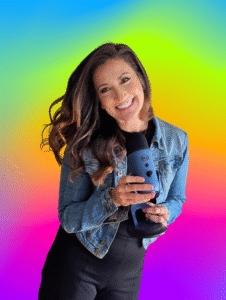 About Raquel Borras
Raquel Borras is a brand strategist, speaker, podcast host, and filmmaker dedicated to helping people build deeper, more authentic connections across generations. She is the founder of Rock Vision, creator and host of Raq the Boat, and the driving force behind the documentary I Hear You, Gen Z, a cross-country project that gives young adults a platform to share their stories in their own words.
Through her work, Raquel challenges the stereotypes surrounding Gen Z and encourages parents, educators, leaders, and organizations to move beyond assumptions and start listening with empathy. Her mission is simple but powerful: help people feel seen, heard, and understood.
Connect with Raquel:
Website: https://raq.vision
LinkedIn: https://www.linkedin.com/in/raquel-borras/
Instagram: https://www.instagram.com/raquel.borras/
Instagram: https://www.instagram.com/i_hear_you_gen_z/
I Hear You Gen Z Documentary: https://my.linkpod.site/IHearYouGenZ