
Have you ever wondered how the world’s top interrogators communicate with calm, confidence, and true connection—even in high-stakes, emotionally charged scenarios? In today’s episode of Speaking with Confidence, I dive into this question and so much more with Brad Beeler, a retired United States Secret Service special agent and course manager for interview and interrogation techniques at the National Center for Credibility Assessment. Brad’s career is nothing short of extraordinary: he served 25 years in the Secret Service, spent 17 years as a polygraph examiner, and has conducted more criminal polygraph examinations than anyone else in Secret Service history.
Brad’s experience spans thousands of interviews with some of the most difficult individuals—often in cases involving the sexual exploitation of children. What struck me in our conversation is how central communication is, not just for uncovering the truth, but for creating safety, trust, and effectiveness in the most challenging environments. Brad shares why calm leads to calm, and how emotional contagion, body language, and tone shape every interaction—whether you’re in a high-stakes interview or talking with your family.
Here’s what we cover in this episode:
-
Brad Beeler’s career journey and transition to teaching
-
The power of calm and emotional contagion in communication
-
The science of body language, tone, and presence
-
Listening as a full-contact sport and why neutrality matters
-
Practical strategies for building connections and safe spaces
-
How to research and prepare for impactful conversations
-
Safety and privacy in the digital age, especially for children
-
Insights from Brad’s book, “Tell Me Everything”
-
Understanding horns and halos and confirmation bias
-
The difference between ethical influence and manipulation
-
Treating everyone with respect and the importance of truth-finding
You’ll walk away from this episode inspired to rethink how you show up in every conversation—with strategies and mindsets used by one of the world’s top communicators. If you want to connect with Brad, visit BradleyBeeler.com or find him on LinkedIn or Instagram at BradBeeler1865. Thank you for joining us, and remember: your voice has the power to change the world.
Connect with Brad:
- Website: https://bradleybeeler.com
- LinkedIn: https://www.linkedin.com/in/bradbeeler1865/
- Instagram: https://www.instagram.com/bradbeeler1865
Learn more about your ad choices. Visit megaphone.fm/adchoices
Transcript
Tim Newman [00:00:10]:
Welcome back to Speaking with Confidence, the podcast that helps you build the soft skills that lead to real results. Communication, storytelling, public speaking, and showing up with confidence in every conversation that counts. I'm Tim Newman, a recovering college professor turned communication coach, and I'm thrilled to guide you on a journey to becoming a powerful communicator. Today's guest is Brad Beeler. Brad retired from the United States Secret Service after a 25-year career as a special agent. For the final 8 years of his Secret Service tenure, Brad was assigned to the National Center for Credibility Assessment at Fort Jackson, where he served as a course manager for interview and interrogation techniques. As a polygraph examiner for 17 years, Brad conducted more criminal polygraph examinations than anyone in Secret Service history. Many of these exams were conducted in support of local and state law enforcement agencies across the country, with a particular focus on cases involving the sexual exploitation of children.

Tim Newman [00:01:06]:
Brad, welcome to the show.

Brad Beeler [00:01:09]:
Tim, thank you so much for having me on. I truly appreciate it.

Tim Newman [00:01:13]:
You know, first and foremost, I, I've got to thank you so much for your service to our country and, and what you do. What you continue doing, what you did, you know, I don't think that there's anything worse than the type of people that you were dealing with and bringing to justice. Number one, I don't know how you do it and kept your sanity, but thank God we have people like you running point on these things for us. I do appreciate it.

Brad Beeler [00:01:41]:
Oh, thank you so much. I truly appreciate that. And I'm sure that we'll talk a little bit about that today as far as how calm leads to calm and it's We can't let our emotional contagion and our thoughts kind of take that mask off and, and unfortunately contaminate our message. Unfortunately.

Tim Newman [00:01:59]:
Yeah, that's kind of really where I want to start because, you know, you retired from Secret Service and got bored and went right back to work. And thank God that you did. Most people retire from danger, but you decided to go right back at it. What was the moment when you realized, yeah, I'm not quite done? Doing this shit?

Brad Beeler [00:02:18]:
Yeah. So, you know, I think I got done for the most part being the person in the room. You know, what I really enjoyed was those last 8 years teaching other people. And for me, the benefits I got were somebody emailing me a couple of days after they had a big case and said, hey, that training that you gave me on interviewing or interrogation led me to get this confession, so on and so forth. So for me, it was continuing to chase that. And, you know, so I continue to do that today. So to me, that's the, that's the biggest accomplishment is, you know, being in the room, you're one person on that one day. But if you can train other people, much like you're doing on your podcast, anybody that listens, hopefully they have takeaways that they can use in their personal or professional life.

Brad Beeler [00:02:58]:
So for me, that was what it was, is I got tired of fishing, tired of doing things around the house, and went back to work.

Tim Newman [00:03:05]:
Well, you know, and I'm glad that you did because I kind of feel the same way. You know, being in the classroom, I can only affect those 25 or 30 that I had at any given time. And one of the things that I really do love about this or speaking or coaching other people is that it does have such a wider, wider range. And you can see some of the benefits of— it's kind of the ripple effect. You throw a stone in a pond and that ripple effects. As you're teaching, what is your, your, your best memory of teaching where you saw somebody who maybe was struggling and then you said, wow, I got it? Can you, can you talk about that a little bit?

Brad Beeler [00:03:53]:
Yeah. And that's what it is really, is you're going to, you're going to go on day one. And for us, we had them for about 3 months where they were from the intelligence agencies as far as federal law enforcement. And they came from all walks of life. Some of them had been communicators their entire life. Others, this is their first time kind of doing this in difficult sets of circumstance. There's not a lot to gain for these people to talk to us. So these are very difficult conversations.

Brad Beeler [00:04:17]:
So you could help the people that were very good, but their ceiling, they were already almost at their ceiling. What I found great was when you'd find those people that they really needed your help and you'd connect with them and the light bulb would go on and you would just see such a drastic escalation in their skill set, and it happened so fast. And to me, that was the, the true connection, is finding those 2 or 3 people in every class that you could really make a connection with. Because it goes back to when I was in high school and I had Miss Bertrand, uh, in Union, Missouri, and she was, uh, you know, uh, suffering from rheumatoid arthritis, but she would get up every single day and she would give everything to her students. And I know the impact she made on me 30-some years later. And I hope that I could just have part of that impact upon someone because she was my speech coach and my English teacher, and she just was so amazing at being able to talk about how the words we use are important, but how we say the words are even more important. And the body language associated with that is paramount to the previous two.

Tim Newman [00:05:20]:
And I'm so glad that you talk about body language, and we're really going to get into this here in a little bit. And tone and all these other things. I was coaching somebody the other day, and I kept telling them, you may be right in what you're saying, but how you're saying it makes you wrong. If you're so forceful and you're so adamant that you're right and you keep coming at it from that perspective, it doesn't really matter what you say. You're wrong, even if you're right. So you have to, you really have to step back and look look at not only the words that you're saying, but the tone, your facial expressions, your body language is what you're communicating all these types of things. We're to get going into this in a little bit, but you can't underestimate that. And I think a lot of people do.

Tim Newman [00:06:07]:
You spent tens of thousands of hours talking to the absolute worst in criminals and those types of things. But one of the things that really struck me in our pre-interview conversation is that communication is the core skill behind all of it. And I talk about that all the time. But how did those years shape the way that you actually think about communication and then how you brought that into the teaching environment as well?

Brad Beeler [00:06:31]:
Yeah, no doubt. Thank you, Tim, for kind of the way you kind of set that up is that for me, I used to think of communication was the pastor getting up in front of the congregation or someone in a TEDx talk or whatever, and they're hitting the play button and they're, they're presenting. But to me, that's not communication. That's just you talking. Okay. I mean, no one's interrupting you. You own the stage, and that's great. And I'm sure a lot of the people that watch your podcast are trying to get better at that.

Brad Beeler [00:07:01]:
But for me, effective communication is more like that pastor now gets off of the stage and now goes into the confessional. And that's where the true art form of communication comes, because I have to be nonjudgmental. I have to provide expertise. I have anonymity. And when someone comes into that confessional, I have to truly listen to them. And I have to let them talk 80% of the time. I have to guide the conversation. I have to provide that salvation.

Brad Beeler [00:07:30]:
And I can't be judgmental. I can't be like, really? Right. You know, and my, my vocal tone truly has to be neutral. It has to help further the conversation. It almost is like what a great podcaster is. A great podcaster prepares for his guest. A great podcaster sets up his guest, puts his guest in a position to win, lets his guest actually talk, but yet refines and distills some of the message and helps shape it so that it can bring out the best in that guest so that the listeners can get something out of it. So to me, good communication is like a good podcaster.

Brad Beeler [00:08:04]:
It's a good priest in confessional. It's a great doctor. That's able to pull certain things out of the client. That's what good communication is for me.

Tim Newman [00:08:14]:
Again, I'm so glad you said that and brought it into podcasting. As a podcaster and someone who talks about communication and coaches it and those types of things, I do listen to other podcasters, and I listen to podcasts about being a good podcaster because it's part of our craft, right? It's part of being professional. And that's what we do. And a few weeks ago, I was listening to, his name is Tim Elmore, and he does a lot of work with the Gen Z population. And he said something that really resonated with me that really kind of, I'm going to put it into words: speak like you're right, but listen like you're wrong. What do you think about that?

Brad Beeler [00:08:57]:
No, that's great. No, it truly is, is that Listening is a skill. It is a full-contact sport, right? So many people think they're listening, but what it is, is you can listen at 500, 600 words per minute, but you speak at 150 words per minute. So the problem with that is, is that we get lazy when we're listening to people. We think about what we're going to say next. It's that whole Stephen Covey, you know, listen to respond versus listen to understand. And we get into this transactional conversation. And Tim, a lot of that comes from how we communicate nowadays.

Brad Beeler [00:09:28]:
What do we do? We text people. Yes, that's all we do. And so what we're doing is we're looking at all those little lines on the text wondering, okay, when can I text or what emoji can I put? And we're not thinking about how does our face look when we're saying it. If I get a text from my wife and it says, I'm fine, and there's no emoji to it, oh, I don't know what that means. Right. She puts an emoji on it. Maybe that helps. If I could talk to her on the phone, maybe it helps a little bit more because I hear the vocal intonation.

Brad Beeler [00:09:56]:
But if I can see her like I see you right now, I see the validation. I see, is she upset? Is she not upset? So listening is a full contact sport where I have to be able to look in their eyes. I have to be able to see their body language and see if it's congruent. And I have to listen for that. Is it a no or is it a no? Like those little— is it a question mark or an exclamation point after what they say? And for me, growing up as a kid, my best friend was deaf. And for 30 years, I've carried on this relationship with him and having to look into his eyes to understand if he understands me and him having to look at my lips and the way we would have to be present in the conversation is real listening for me. And I think that that's carried, you know, that through line for the last 30 years is that when I'm listening to somebody talk about that really, really bad thing, I'm truly listening because I want to get to not just the what, but I want to get to the why. And you're not going to get to the why if you're not listening.

Tim Newman [00:10:51]:
Yeah, that's so important. And I love that you brought up your friend who's deaf. And I don't have anybody in my life that's like that. But the whole idea of paying attention and being present and looking somebody in the eye as they're talking, looking at their face, looking at everything, it's so underappreciated. Because even Even when I'm— you brought your wife, so I'll talk about mine as well. Even when I'm talking to my wife, a lot of times I'll pick up my phone and I'll be doing whatever. But when I know we're having a conversation, the phone goes away, right? If we're having a one-on-one conversation that we're just talking to each other, not just whatever it is, the phone goes away because there's no other place I would rather be than hear what she has to say. And making her or whoever it is feel like the most important person in the room is so important.

Tim Newman [00:11:50]:
And when you don't, there's research out there that if you're looking at your phone, you get a text message and you're talking to somebody, the feeling that the other person gets is from the body language, it's actually a pain response.

Brad Beeler [00:12:05]:
Yes.

Tim Newman [00:12:06]:
And so we need to think about it.

Brad Beeler [00:12:07]:
Yep, it is. It's a pain response. And the fact that you're just holding your phone shows that, hey, there's other people more important than what you're saying to me. So I know when I'm talking to bad guys or in my personal life, I'll make it a point where if somebody walks into my office, I will take my phone. I'll either turn it upside down or I'll put it away because I don't want to feel that vibration of my phone because it's going to, it's going to mess with my cognitive load. Like, I want to be fully present in that conversation. I'm going to angle my body towards them. So I ventrally front them.

Brad Beeler [00:12:38]:
When you walk into somebody's office and they're not even aligned with you, what that says is you are not the most important person that I should be talking to right now. So put your phone away, line up to them, look them in the eyes at about a 75% percentage, and you'd be surprised at how much more you would connect with people.

Tim Newman [00:12:54]:
Yeah. You know, I used to have my office when I was teaching. I had my office set up. I had like a kind of an L-shaped desk with the computer up against the wall. And so when somebody would come in, I would actually have to turn So I'm facing them this way as opposed to looking over top of the computer. And again, and you'd be surprised how important that made those people feel.

Brad Beeler [00:13:20]:
Yeah, a forcing mechanism for sure.

Tim Newman [00:13:22]:
Yeah. Let's talk about body language because we talked about this in the pre-interview as well. We're so obsessed with everybody else's body language, but we never really truly think about the, yeah, what we're giving off and how that affects, how that affects, you know, the way they perceive us, you know, the way they're listening, the way they're talking, etc. Can you talk about that a little bit?

Brad Beeler [00:13:46]:
Yeah, absolutely. So we're always, you know, we look on all these TikToks and all these so-called experts and influencers that talk about, well, if the person touches their nose or crosses their arm or does this and this, this is what it means, right? People look at criminals that are being interrogated and they try to, you you know, psychoanalyze and reverse engineer this stuff. What does that mean? But yet we're looking at the interviewers in those cases, and the interviewers are putting off awful body language. So first, we need to understand this concept of emotional contagion. And what I mean by that is our emotions, our body language is being put out into the world, and it's being received by the person we're talking to. And many times that's contagious. So if I have a furrow in my brow, you know, if I, if I look disinterested, that is going to bleed off into the person that we're talking to. So we may just not be seeing a true understanding of what they're experiencing.

Brad Beeler [00:14:31]:
We may be seeing a mirror image of what we're putting out to that person. So for me, from a body language standpoint, is I have to— I don't want to code neutral. Neutral codes negative. And what I mean by that is since we walked the plains, early man, we had certain things kind of hardwired into us. And what we would do is we'd use our eyes and we'd use our hearing to see, is this coming to eat me? All right, we're a very tribal culture, and this is something that's stuck with us to this day. So what I want to make sure that I do is I want to make sure when the person sees me, they don't see an unknown. I'm going to have soft eyes, and what I mean by that is I'm not going to be furrowing my brow. I'm going to maybe tilt my head just slightly, a little bit to the side.

Brad Beeler [00:15:10]:
That exposes my carotid, right? That's a friend sign. I'm going to ventrally front. You know, when your dog is comfortable with you, you know, if you meet a dog, what does it do? It rolls over and lets you pet its belly, right? So whereas if I blade, that's a sign of I don't trust you, you're an outsider. So little things like that as far as— and also a slightly deeper vocal tone when I meet somebody, because a higher-pitched voice codes as, say, this— something's not right. And also, when we're nervous, we tend to speak faster. So as a result of that, that codes negative. So I want to intentionally almost slow down, whether I'm on stage or whether I'm in an office. I want to slow down at first, and I want my body language to be congruent.

Brad Beeler [00:15:48]:
I want my body language to be measured. I don't— too many times when people are stressed out, they're kind of all over the place. And once again, that codes as this person is not the, you know, is not the king here. All right. So what I want to do is I want to slow down, deepen my tone, and put off those friend signals as much as possible.

Tim Newman [00:16:06]:
That's amazing that you just kind of went through all those things like that. And, you know, as I think about it, of course, of course you did, because that's what you do, right? Yeah, I can imagine being your son growing up, you know, as he comes in, you And you could tell all of a sudden, I know you've done something.

Brad Beeler [00:16:24]:
Something's not right.

Tim Newman [00:16:26]:
Something's not right. So nobody's getting anything over on you. Talk about the whole head tilt thing, because I don't know if you noticed when you said that, I said, wow, that's just so interesting. Why is it that that little shift of your head presents more friendly than just the straight one?

Brad Beeler [00:16:48]:
Yes, because, you know, if we're bracing to be struck, we're going to blade our body, we're going to put our chin down. These are things that a fighter would do, right? There's just instinctual. It doesn't matter, you know, if you have training or not, that's just something that you're going to do if somebody's about to strike you. Whereas if I'm very relaxed, and once again, if my heart is aligned with their heart and my, you know, I have a good distance between my chin and my shoulders, that shows confidence. Whereas if I'm tucked in like this, it shows that I'm not confident. And all these things are little spices. Like, I don't want to just walk around with my, uh, one ear on side of my shoulder. That's gonna look like I slept on the pillow wrong.

Brad Beeler [00:17:22]:
And the other thing is an eyebrow flash. So these are things that Amy Cuddy, Vanessa Van Edwards, a lot of behavioral scientists have looked at with Paul Zak, that have looked at with oxytocin draws, which is a love hormone, and cortisol, which is a stress hormone. And they look at all these different things and they say, hey, when people have interactions, you know, what are some things that code as negative and code as positive? Something as simple as a handshake. You know, uh, we, we start conversations with handshakes, we end conversations with handshakes.. And due to primacy and recency effect, these are the things that people remember. And yet we suck at it. All right. We have a wet handshake, a cold handshake, overly grip or not enough grip, and we come in at the wrong angle.

Brad Beeler [00:17:59]:
World's best handshake. I put antiperspirant on my hand first thing in the morning, so you're always going to get a dry handshake. If before I come around the corner to pick you up or before you, you know, if you're coming into my office, I won't let you see it, but I'll be either sitting on my hand on my hamstring or I will be rubbing my hands together and that warms my hands up. So you're going to get a warm, dry handshake. I'm going to come in at about a 2 o'clock angle, which exposes the very light part of my palm to show I don't have a weapon. And it also allows them to come in at a pronated 10 o'clock position, which is where we normally are. We pronate, you know, as humans. So I want them to do the least amount of work.

Brad Beeler [00:18:32]:
I want to meet them right at the navel, about 1 foot away from each of our navels. Not too high, not too low. And it's going to be a hold and not a shake. And if I do those things, chances are it's the world's best handshake. And as a result, I'm going to get an oxytocin dump and a dopamine dump from that other person. That they'll associate with me. At the bare minimum, I won't get negative. I won't get a cortisol or stress release or adrenaline dump because they won't view me as that enemy, so to speak.

Tim Newman [00:19:00]:
The science of this is, for me, is really interesting, and I love it. I never thought about putting antiperspirant on my hand, never thought about warming my hand up. But one of the things that I'm conscious that I do is when I leave a conversation and I shake hands, I obviously shake with the right and I take my left hand and I kind of tap their shoulder. What do you think of that? And what message does that say to whoever it is that you've been with and leaving?

Brad Beeler [00:19:32]:
Yeah. So there's mixed thoughts on that. I would say I used to do that more often than I do that now. I would obviously never do it to the opposite sex. Never over it. Obviously. Right. But yeah, it also depends on the context.

Brad Beeler [00:19:47]:
If I'm to talking someone who's been through a lot and maybe they've made a big disclosure to me and we've went to some deep, dark places and we do have that relationship. Yeah, that's something where I may end that conversation with maybe a slight touch on the elbow in addition to the handshake, something along those lines. I'm typically not going to do that with somebody at work or something like that. But yeah, after a conference, if somebody comes up and, you know, we connect and we're exchanging business cards and we're having a 10 or 15-minute conversation, yeah, maybe up to the end of that, I'll bring that second hand into play because that haptic, okay, which is what touch is, that, that haptic, if done successfully, and we know these people that do it right, they're typically like my wife's Sicilian godmother. She is so amazing with touch, her ability to kind of just, you know, if she wants to interject something, she'll just give you a little touch on the hand. And it's amazing. You just feel so connected with her with the ability to do that. So if you are deft at that, it is amazing at the effect that it can have.

Brad Beeler [00:20:50]:
But if you're bad at it, it can come off super creepy vibe, right? You know those people as well, right? Right. So you got to almost have an ability kind of self-reflect and see, when am I doing it? Why am I doing it? What's their headspace? What's my headspace? And is the risk worth the reward? So usually I'll always say good handshake on both ends and then avoid other physical contact.

Tim Newman [00:21:13]:
Okay. And that makes sense. And as I think about who I'm actually doing this with, most of the time it's people I'm already either acquainted with or friends with, or we have some other type of relationship with. Right. So I don't know that I've— I would never say never, but I don't picture myself doing that with somebody who I've just met. So if we're going to go have a coffee, like an informational meeting, have a coffee. I don't know that I'm doing it there unless there's a good strong connection or working connection. We're going to work together, what have you.

Tim Newman [00:21:47]:
But it's most of the time, it's people that either I've known or we are, we're connected in some way. And it's, how about the mask that we wear? And it's, and I give you so much credit with this, especially in your line of work and people that you're dealing with, you know, being able to come in and talk to these these individuals that have done horrible, horrible things, and you come in with a neutral face and listen to what they say without expression. How do you do that? And if we're looking at it from the outside perspective now, we're dealing with normal people. I say normal, but. But regular people on the outside, how can we learn to do that? And I wouldn't say be expressionless, but you understand what I'm talking about.

Brad Beeler [00:22:41]:
Yeah. So we've all been in these conversations where we're talking to somebody and maybe they just didn't even hear what we said, but when they're like, they furrow that brow just like that. So if your listeners, they wouldn't be able to see that, but if anybody watching the video can see what I'm doing right now, they furrow their brow as if they say, what did you say? And maybe they just didn't hear you, but that little, you know, it tinges the conversation with judgment. And I know in one of the first big cases I worked with somebody that did a horrific act to a child, I just wasn't adept at handling these horrific disclosures. And the individual made one disclosure, and I just for a quick second had a micro-expression of disdain and contempt. And this individual picked up on it and immediately shut down. And it was a lesson learned that I have to keep that mask on. I have to have those minimal encouragers.

Brad Beeler [00:23:31]:
I have to have that eyebrow flash. I have to be able to not, um, show that contempt in that interaction. And it's hard to do. It really is. So I actually tell my students, imagine you got duct tape on your forehead. Either that or get lots of Botox. One or the other. Is that, you know, it's, it's crazy where people actually might be showing contempt, but they just got a Botox injection the week before and they just can't show it, right? So either or.

Brad Beeler [00:23:58]:
But that's, that's the real thing with me is, is I will put that mask on. And I understand that people that hurt children are some of the most adept people at reading the situation because they have to groom a person, groom a situation, groom an environment, engage in secrets, see if they're in a safe space to obviously do that horrific thing. So they are very good. They're almost like CIA agents in that regard and how a CIA agent would turn a foreign source. They're engaged in the same type of activities. So knowing that, I've learned I truly have to be present in the moment and be thinking about what my face looks like to them. And if we, if we can do that in our own personal life too, to create that safe space for your son or your daughter to be able to talk about whatever they need to talk to you about. Because when you show that, where did you go? You went where? Once again, you got to think, if a priest was in a confessional and you were disclosing something, you know, that was horrific that you had sent.

Brad Beeler [00:24:51]:
And the priest is like, no kidding, really? That's going to shut down that conversation. So really, really try to be careful with how you speak it. All right. And then how you look to them while you're saying that, because words— we're just so caught up in words right now. And that's such a small part of the communication. That's why we invented emojis. But as a result, we are devolving in our communication. We went from Shakespeare back to hieroglyphics and cave paintings, unfortunately.

Tim Newman [00:25:20]:
And isn't that crazy? I mean, that's where we are. We spend so much time on our phones and on computers and in these screens that we have to use hieroglyphics to actually communicate.

Brad Beeler [00:25:34]:
Yeah. But the interesting part about that is we can use some of the same principles to our advantage. And what I mean by that, Tim, is that when we are communicating with somebody in a one-on-one situation, I'm going to do my lead work on the front time, right? I'm going to prep, right? People used to put their diaries under the bed, in the nightstand. Now they put their diaries online. So before I talk to somebody, it's amazing what I can generate as far as what makes them tick and what they're going to want to talk about. You know, you know, you know, if you go back and you look at the past, Dale Carnegie talked about how he likes strawberries and cream., but he doesn't think fish like them so much. So he would find that they like to eat worms a little bit better. And the whole point of that is, is that it's not about you, it's about the other person.

Brad Beeler [00:26:19]:
So when I do my prep work on the front end, I'll find out what are the, what is the fish biting on, so to speak? What's the underside of the iceberg? And that's gonna be a good way to understand their pain points, what they are gonna potentially want to start talking about. And then I like to talk about family, education, employment, but more importantly, leisure. 80 hours a week, we have the ability to pick and choose what we want to do, and that shows our importance. So if I was to ask you, Tim, what do you like to do in your free time? What would you say?

Tim Newman [00:26:47]:
Play with grandkids.

Brad Beeler [00:26:48]:
Play with the grandkids, right? Like, that's awesome. I mean, what do you like to do with them?

Tim Newman [00:26:54]:
Well, it could be roll around the floor. My, my granddaughter, she likes me to take her to Dunkin' Donuts.

Brad Beeler [00:27:02]:
And okay, what does she get? What's her favorite thing to get?

Tim Newman [00:27:06]:
Boston cream doughnut.

Brad Beeler [00:27:08]:
Boston cream doughnut. So can you think of an experience that you had with your granddaughter, your grandson, that you're like, it lights you up? Like, just an experience?

Tim Newman [00:27:17]:
Absolutely. Absolutely. So, and it's— I'm getting ready to go see them. So there's this, there's this one doughnut shop where they live. It's called Byler's Donuts, and they make all the doughnuts here. It's not Dunkin'. It's a true small business, local bakery, and they had these big vats of whether it's chocolate, whether it's caramel, whether it's the cream for the Boston cream. And I was there with, with my wife and my granddaughter, and I said to my granddaughter, I said, let's see if we can get a spoon and if they'll let us just dig the spoon into into the, the Boston cream.

Tim Newman [00:27:50]:
And my wife said, they're not going to let you do it. Don't even bother to ask. And I looked at my granddaughter and said, now We're definitely going to ask. And I picked her up and the woman behind the thing said, of course, just go grab a spoon. And my, the look on my wife's face, she said, you can't be teaching her these things. And I said, no, I am teaching her these things because number one, if you don't ask, the answer is always no. So, so this, so we're, yeah, we're talking about Boston Cream Donuts and the cream there, but I'm also teaching her a life skill at the same time. And so now every time we go there, my granddaughter says, I'm going to grab a spoon.

Tim Newman [00:28:27]:
I say, go ahead.

Brad Beeler [00:28:28]:
And you can remember the smell of the shop. Yes, you can probably remember the lady behind the counter that gave you the permission for that. You can remember the taste of that cream filling, whatever you had, right? Is those are memories. And when you're thinking about those past memories, you're having a dopamine hit, you're having an oxytocin hit, you're having a serotonin hit. But more importantly, you're not having a cortisol dump, which is a stress hormone. So if I'm talking to you about a bad thing or potentially being involved in a bad thing, your heart rate just dove. It just went down from 100 to 60. And now you're going to be able to recall things a lot better, and you're going to associate that good feeling.

Brad Beeler [00:29:01]:
I saw your eyes light up when you were talking about that. Is by doing that, that cost me 2 or 3 minutes, but now you're associating me with that dopamine hit. And so often what we do is we make this about us, right? And I ask you about that, and you start talking about donuts, and I'm like, oh yeah, I've been to that donut shop. That's awesome. And I steal your whole moment and I turn it about me. And now you don't get the dopamine hit and you don't associate me with it. And it really stunts our communication. Is let people bathe in their moment, in their story.

Brad Beeler [00:29:32]:
If we're talking about running, I don't want to insert that I run. If we talk about hunting, I don't want to pull up pictures of the deer that I got or the fish that I caught. Let me tell you, I want you to tell your story. And after you tell your story, I'll keep probing. And eventually you may say, oh, you, You fish too? Yeah, yeah, I love to fish. And now we have that opportunity. So we need to get away from the me too and realize that in communication, it's about the other person. Let them bathe in their moment and then let it circle back to you at another point.

Tim Newman [00:30:00]:
That is so, so important. And when we take it back to connecting, we talked about shaking hands a little bit ago, right? And one of the things that the younger generations don't know how to do is they don't know how to connect with people and they don't know how to do what you just said. They don't know how to have that conversation, just a regular conversation, which is what actually builds the connections to be able to go from, to be able to go from, just take a networking event as an example. They don't know how to do the basic research of who's going to be there, find out who's going to be there and Just pick 3 people that you want to talk to. You know, these 3 people are going to be there. Do some research on them so that you have something to talk about and be able to go and have just a normal conversation as opposed to, "Hi, I'm Tim. I'm looking for a job in this. Can you help me?" That doesn't do anything other than turn somebody off.

Tim Newman [00:31:00]:
They don't know how to have that conversation that we just had.

Brad Beeler [00:31:04]:
Yeah, no doubt. And some of that, you know, we can always go back and say, well, in the good old days, well, in the good old days before we had video games and telephones, what did we have to do? We went outside, we found people that were roughly of the same age and we made up games. And so you had to communicate with people or you were really, really bored. Right. So, yeah, some of that's definitely generational is now I can just go online and with anonymity, you know, talk to people. But the sad part about that is it's so dangerous, Tim. And this is, you know, where I see it is people don't realize what they're putting out into the world. And they get online, they get on all these, you know, and this is just a lesson for your grandkids is they don't know who they're talking to on these video game forums.

Brad Beeler [00:31:43]:
And because everything's so prevalent, they can find out what these kids like to do. And then they create this artificial person that would be most likely to interact with this person. So same thing on these dating sites is unfortunately I see a lot of this nowadays, you know, with scams is these people create this fictional Prince Charming because of the social media breadcrumbs that are out there about you. And they're able to really take and hack into that and use it for their own purposes, sadly. So we got to be really, really careful about what we put out there. And we got to be very, very careful about where we put our horns and our halos on people because we don't know if it's true or they're taking something from what's already out there in the, the ecosphere as far as the internet. And are they using that for nefarious purposes? So let's be very, very careful about first impressions that we— other people make upon us is that some people make really good first impressions and some of those people are criminals. They're very adept at making good first impressions.

Tim Newman [00:32:39]:
And it's so scary. I saw a video, you know, a week or two ago, and the guy was talking about, you know, that, that a very popular video game that kids play is really a front for— it's terrible— trafficking.

Brad Beeler [00:32:56]:
I know exactly what— yeah, I don't want you to get to, you know, you know, sued for mentioning that name.

Tim Newman [00:33:00]:
But I'm not going to say it.

Brad Beeler [00:33:02]:
We're very familiar with, uh, with that, and, uh, from a law enforcement perspective. And, um, it is scary because what we see is— I take part in a lot of internet crimes against children operations, and what we'll do is we'll see these people, we'll be playing an undercover police officer and posing as a 13-year-old boy or girl, and we'll see these individuals approach us, obviously, on these forums, and then they will try to take us off that forum to somewhere that has more anonymity. But They establish who we are and they find our social media footprint. And within minutes, they will create a fictional person. Um, they will become that fictional person that has similar interests to this, you know, potential victim. And they're so adept at it. And, you know, kids, that prefrontal cortex is not set up. They haven't seen, you know, they have a positive view of the world is that they don't think someone would would do something bad like that.

Brad Beeler [00:33:57]:
So we have to be very, very careful about, once again, what we put out there, because bad people can take advantage of it.

Tim Newman [00:34:03]:
It terrified me. Scared the hell out of me for my grandkids. I mean, they're too young to be doing these things anyway. And my daughters don't allow them to— well, number one, they're too young. And I said, don't ever let them play these games. Don't ever, ever let them play these games because of this. And I mean, it's, it's terrifying that— Yeah.

Brad Beeler [00:34:25]:
And if they do play the games, just turn the chat feature off. That's when it gets off the game is when it becomes very, very scary when they can determine who you are. So as far as the privacy settings on the game, so they can't see who you are. I mean, we used to see that with Call of Duty and other games where people would get swatted because they, you know, killed somebody or whatever in the game and that person would determine what their IP address was and they'd make a 911 phone call. Saying we got an issue over at this house. You know, there's— it's unfortunate that we have to deal with things like that. But, you know, you can easily change a lot of the privacy settings on a lot of the games that you let your kids play if you do choose to let them play those.

Tim Newman [00:35:02]:
But also, we have to make sure that they're also, like you said, not putting out information on social media, other types. I mean, that's a completely different conversation that, you know, is It's critical. It's critical for all of us, but especially at those younger ages. You talked earlier about doing research, and that's what I do. We had that, our pre-interview call, and then I go and I do research on you, and we come in, we have this interview. But I do that for everything that I do, whether it's, again, whether I'm going to a networking event or whether I want to have an informational interview with somebody in person or a job interview. You, or it doesn't really matter. Technology has made it easy to be able to do that.

Tim Newman [00:35:48]:
So when you're putting information out there, make sure you're only putting out the information that needs to be out there.

Brad Beeler [00:35:56]:
Correct.

Tim Newman [00:35:58]:
You probably remember when social media first started coming out, people would be posting things like, I'm sitting at home eating coffee and we were drinking coffee, or I'm going to this store, meet me here, or whatever it is. Obviously evolved from that. But, you know, people are still targeted from what they post on social media, like when they're not at home. We're seeing this a lot with professional athletes, right?

Brad Beeler [00:36:22]:
You know, they're— yeah, I got a— I got a football game. So that's where they go, or people will livestream themselves and they'll have jewelry on and somebody will come to the livestream and that. And, you know, or they'll be on a vacation home saying, oh, we had such a wonderful time at the vacation home. We're going to go back to wherever we're at now. Well, now people know that the vacation home is easy prey, so to speak. So, yeah, definitely. You know, we want to, we want to share those things with our friends and family. But unfortunately, we let too many people into our tribe or have access to our tribe.

Brad Beeler [00:36:52]:
So if you're going to do that on the social media, make sure that you post those things only for your friends and that everybody that you friend is somebody that truly is a friend in real life.

Tim Newman [00:37:02]:
Yeah. Yeah. Let's talk about some better stuff now. So about your book.

Brad Beeler [00:37:06]:
Sure. Yeah, appreciate that.

Tim Newman [00:37:08]:
I love the book, but you originally wrote it as a law enforcement guy, but then your editor said it's a communication book. What changed or what clicked for you when you realized that?

Brad Beeler [00:37:19]:
Yeah, you know, I always thought, you know, while I was writing this book that, hey, this is a book to help cops and help fellow agents, you know, get information from the bad guys. And what I didn't realize is that These people are telling you the deepest, darkest secrets in your life, and I'm prepping for the interaction. I'm engaging in a good first impression. I'm getting in the right headspace. I'm trying to get them in the right headspace. I'm trying to detect deception. And then if there is deception, I'm trying to ethically get them to explain the truth while still maintaining that relationship. And that's kind of what my editor said to me is like, wait, isn't that what we do with our kids? Isn't that what we do with our students? Isn't that what employees, leaders, and, you know, people in the military, isn't that what they do with their soldiers? Whatever the case may be.

Brad Beeler [00:38:01]:
And I'm like, Oh, yeah, that's a good point. And so there wasn't a lot of curveballs that, you know, as far as having to change things, I just kind of refocused it a little bit. And that's where we ended up with the product. And the book's called Tell Me Everything. And it's kind of what I try to do is once again, kind of go through the life cycle of a conversation, and then just augment that with the protective and investigative stories that I had over my 25-year career to just kind of illustrate some of those points, how they can be utilized.

Tim Newman [00:38:30]:
And you've done a phenomenal job with it. And you've mentioned a couple of terms throughout the conversation that I want you to talk about a little bit. Horns and halos. What does that mean?

Brad Beeler [00:38:42]:
Yeah, so we are very quick to put either metaphorical horns and halos on people. And once again, this goes back hundreds of thousands of years where if I heard a sound in the bush, or if another tribal member that I did not know was approaching me, I had to assign that very, very quickly to them to say, do I need to run and arm myself? Do I need to get other tribal members? Do I need to climb up a tree? What do I need to do here? And we are very, very quick in thin slicing this out and saying friend and foe. And that's fine if we're walking down a street in the middle of the night and there's a bottle that breaks or there's somebody walking up from behind us or in a parking lot, like, use that gut instinct, use that first impression, put those horns. And if you're wrong, you're wrong, but you're going to live to fight another day. That's what in law enforcement, that's a gut instinct that keeps officers alive every single day. The problem is in our personal and professional relationships, we use this same principle. And I can't tell you how many times you've probably met somebody, Tim, and you've, you know, I really don't like that guy or, you know, whatever, or I really like that person after their first impression. But after a couple more interactions, the roles were reversed and you said, wow, what a jerk, or, wow, you know what, he's really not a bad guy because You know, you were able to have multiple interactions over time, space, and distance.

Brad Beeler [00:39:57]:
And, you know, that's, that's the thing is that I want to be pretty neutral personally and professionally when I meet people the first time, because people are going to have a bad first impression. They are going to be nervous sometimes. And we— I want to give them the benefit of the doubt and vice versa. If somebody has a great first impression, I just want to, you know, let's let this play out a little bit because, you know, some of the biggest serial killers on the planet made great first impressions, unfortunately, on their victims. Because they were very adept at it, right? So, um, something to definitely, um, you know, consider. Um, I, I tell the story, uh, in the book of my partner and I were doing a search warrant and we come into a room in the kitchen and there's a pit bull and a Chihuahua. And I'm in law enforcement. I, I don't want to have to shoot this animal.

Brad Beeler [00:40:38]:
It's prop— they're both probably the family pets. Um, but obviously this pit bull was not happy to see me. So I trained my firearm on the pit bull and I was scared like, oh, like, man, I don't want to shoot this dog. And right then, that Chihuahua came up behind me and bit me in the groin and was dangling from there. And luckily, my wife had bought some, some very thick tactical pants, um, that protected me, or I'd be talking in a different octave right now. But I made the mistake of putting horns and halos on something too quickly, and, uh, unfortunately, it, it literally bit me, uh, no pun intended. But that's happened throughout my investigative career as well, is that Many times I found the detectives would say, this person's good for it, or this person had nothing to do with it. And then I would polygraph them and it would be the exact opposite.

Brad Beeler [00:41:20]:
And they would make either an admission or they'd be vindicated. And it was because the detectives, including myself, we said, oh man, this person would never do something like this, or, you know, vice versa. And a lot of times we were wrong. So humans are very, very bad at determining truth and fiction. And I was just blessed regardless of what people think about it. Polygraph is that it was a huge force multiplier for me and able to communicate with people.

Tim Newman [00:41:46]:
So a lot of this gets into the whole idea of confirmation bias. How do we stop that? Because it's, like I said, it's almost innate to human nature, right? Because the whole idea is for us to protect ourselves. And then we get into that confirmation bias. And then it just becomes, it just becomes that. So how do we stop that? How do we get better at not having that or putting that to the side?

Brad Beeler [00:42:14]:
Yeah, it's a lot of it's time, Tim. And what I mean by that is if I can extend the amount of time and extend the amount of interactions, I'm going to have a better chance of being correct. The best predictor of human behavior is past behavior. So if I can have multiple interactions before I buy that car, before I buy that house, before I let that person, you know, into my house metaphorically or actually, I'm going to be much more likely to be correct in my assessment. Whereas a lot of con men— and I worked them for 25 years— time is always something that they're taking advantage of. Act now, buy while supplies last. It's kind of that, that sales principle of they try to limit the amount of time that you can rationally think. So for me, confirmation bias comes in being neutral, not listening to the detective, not listening to the validation that somebody gives.

Brad Beeler [00:43:06]:
Because what are we always doing? We a lot of times, what are we— where are we going to go eat tonight? Let's say we're in Hilton Head and we're trying to decide where we're going to eat. I'm going to go on Yelp and I'm going to see what's got the best reviews.

Tim Newman [00:43:16]:
Yes.

Brad Beeler [00:43:16]:
Right. And if we talk to a friend about, do you trust this person? And the friend says, yeah, they're great to me, that weighs so highly. You know, but we got to be careful about that because once again, references are not always, you know, sometimes people are incorrect in the references that they give. So I want to have firsthand interactions on multiple occasions over a longer period of time before I engage in a personal and professional relationship with you. And by doing that, and it's sad that you have to view things that way, by doing that, you're going to increase the odds of making a poor choice.

Tim Newman [00:43:47]:
Yeah. Yeah. It's so true. And as I'm thinking about this and also thinking about, you've got a chapter in the book on ethical influence and how those two types of things really kind of coincide or work together, sometimes work against each other. And I believe you say that influence is often confused with manipulation, but but you don't necessarily agree with that. What do you mean by that?

Brad Beeler [00:44:21]:
Yeah.

Tim Newman [00:44:21]:
So was I right in that assumption?

Brad Beeler [00:44:24]:
Yeah. No, no, no. I mean, you were right. I mean, I kind of took it a couple different ways, but manipulation, when you look at manipulation, that's me where this is not the best product for you. I know it's not the best product for you, but it works for me by you buying this product. So I'm going to do everything I can to create an environment where you buy this product. You know, a lot of times we unfortunately say the used car salesman or whatever the case may be. That's not always the case.

Brad Beeler [00:44:47]:
Car sales and stuff has evolved over the years from what we traditionally think of it. But that's what I would say when people think manipulation, it's trying to scam you. It's trying to take advantage of you. So I'm always very, very careful. That was your influence. Yeah, I might be able to assist you in influencing your decision by educating you, by explaining to you, by helping you rationalize, minimize, and project the bad things that you did. I'm not agreeing with you as to why you did that bad thing, but I'm going to be their buddy. And when I talk about buddy is, let's say somebody did something that's bad.

Brad Beeler [00:45:23]:
Very few people that I've met, Tim, over the years are truly evil. Most people, the situation was wrong. They, you know, bad set of circumstances. They were going through a tough time in their life. And with those given set of circumstances, they made a poor choice. So what am I going to do when I talk to them? I'm going to blame other people, other situations. I'm going to blame the situation for why they acted. going to— I'm that's the B.

Brad Beeler [00:45:46]:
I'm going to understand why they did what they did. I'm not going to agree with it, but that's the U. I'm going to diminish the impact of their actions, not their culpability. That's the D. The other D is I'm going to demonstrate tactical empathy. And empathy is so much different than sympathy. I'm not going to say I understand. Okay, I'm going to truly be, I can't imagine.

Brad Beeler [00:46:04]:
What it must have been like at that moment when you had to make that choice. And then I'm not going to focus on the what. I'm going to focus on the why. So I'm going to try to be their buddy. And to me, that's not manipulating them. Once again, I'm not agreeing with what they did. I'm not diminishing the culpability. I'm not lying to them, but I'm trying to put them in the right headspace so that they can— I can be that Catholic priest that says, you know, so they can say, forgive me, Father, that I've sinned.

Brad Beeler [00:46:30]:
And I'm going to be the conduit and listen to what they have to say. So to me, that's how— and it's a long-winded way to say the difference between influence and manipulation is I think there's a character out there of what interrogation is. When I'm talking to somebody in a criminal aspect, I'm talking to them just like I'm talking to you now. It's not good cop, bad cop. It's good cop, great cop. A mentor of mine said he, you know, he wants to end every interaction with a Christmas card the next year. And I agree with that. He was an FBI agent and he will still to this day get Christmas cards from federal prisons from people because he treated them with such respect.

Brad Beeler [00:47:05]:
And that's what you need to do. So that to me is the difference between influence and manipulation.

Tim Newman [00:47:10]:
You know, and it's funny you say that and I think about, you know, what we see on good TV, guy, it's always good cop, bad cop. But just like anything in real life and again, some of the situations that you're in, I can't imagine. Being able to transform myself to be able to do what you did. But that's why we've got people like you doing it who've been trained and who are good at it, treating somebody who's done something horrific with that. But just like anything else, the more you treat people with respect, even walking down the road, going into a store, the person behind the behind the counter. You don't know what they're dealing with. Just be nice to them, treat them with respect. Everything, every interaction is so much better if you treat people the right way.

Tim Newman [00:48:01]:
And it does make sense.

Brad Beeler [00:48:03]:
It does, is that every bad person, and that's what society labels them, every bad person had a mother, had a father, had an upbringing, had school, had jobs, had transgressions, had the good and the bad come their way. And every one of them is the hero of their own story, right? They don't want to hear you downgrade them and talk down to them. They, they want that. They want you to truly be their buddy in that sense. And that's what I've learned over the last 30-some years talking to people, is that there's a reason why people do what they do. There's very few evil people. So as long as I don't go into it thinking this is an evil person in front of me, it's easier to kind of play that part. And I will learn something from every interaction.

Brad Beeler [00:48:41]:
I'll have somebody teach me something during every interaction. And so that's to me is what I get out of it, is I learn something about society and humanity, about their life story, and that's going to help me in my subsequent adventures. And for me, it's about finding the truth, is that some of the best days that I've had weren't about getting the confession, but were about getting the truth and vindicating somebody that had unfortunately been falsely accused. So to me, that's the true victory, is if you start from let's get the truth, then it's not an interrogation. It's more about, I'm going to try to get them in the right headspace to talk to me about the why.

Tim Newman [00:49:11]:
What you just said just kind of changes the whole way I think about the things that, that, that you all do in that profession. But that's really kind of how we— or at least how I try and go about things every day. So it really isn't any different. You're just dealing with a different population of people.

Brad Beeler [00:49:33]:
That's it.

Tim Newman [00:49:33]:
We're doing a different setting.

Brad Beeler [00:49:35]:
Is that in grad school I went to a jail in St. Louis, and for 3 years, as part of a research project, I talked to people that society would say some of the worst people. But I learned more in those 3 years talking to individuals that are addicted to crack cocaine and heroin and methamphetamines and were pimps and prostitutes and murderers and rapists, robbers, whatever the case may be. And every one of them, all I had was a Snickers bar and a Mountain Dew that I could give them and 45 minutes to talk to them. And I wanted each one of them to teach me about why they did that bad thing. And there was a lot of pattern recognition there is that, you know, people didn't just wake up at 8:00 in the morning and say, I'm going to become this bad person. There were a series of events and transgressions that came their way. And learning that has definitely helped me.

Brad Beeler [00:50:17]:
So I try to look for the good in everybody I talk to, even when it's hard.

Tim Newman [00:50:22]:
And God bless you for doing that. And I thank you so much for spending some time with us. And your book comes out, is it Is it February 17th?

Brad Beeler [00:50:32]:
February 17th, just after Valentine's Day. So pre-orders are great. So any— for first-time author, but anywhere books are bought. Simon Schuster and Matt Holt Books are the editor and publisher.

Tim Newman [00:50:45]:
Well, this has been great, and I would encourage everybody to go out and get the book. I haven't finished it yet, but I've got a good chunk into it. It's a phenomenal book. Again, it's not about Being an interrogator, it's, it's truly a good communication book. Where else can people connect with you if they want to work with you?

Brad Beeler [00:51:05]:
Sure. BradleyBeeler.com is the website and the landing page for my book, but it also has my contact information on there as far as keynotes and things. And then Brad Beeler 1865 on Instagram and LinkedIn. Try to put a lot of content, podcast content, such as stuff like this on there as well. So Definitely the best way to get a hold of me.

Tim Newman [00:51:24]:
And we'll put all those links in the show notes for everybody. Again, Brad, thank you so much for your service to the country, everything that you do, and taking some time out and talking with us today.

Brad Beeler [00:51:32]:
Appreciate it. Thank you. Thank you very much, Tim. Appreciate it.

Tim Newman [00:51:36]:
Be sure to visit speakingwithconfidencepodcast.com to get your free ebook, The Top 21 Challenges for Public Speakers and How to Overcome Them. You can also register for the Formula for Public Speaking course. Always remember, your Your voice has the power to change the world. We'll talk to you next time.

Brad Beeler [00:51:50]:
Take care.
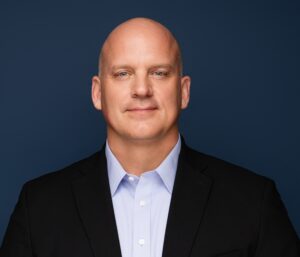 About Brad Beeler
Brad retired from the United States Secret Service after a 25-year career as a Special Agent. For the final eight years of his Secret Service tenure, Brad was assigned to the National Center for Credibility Assessment (NCCA) at Fort Jackson, where he served as the course manager for Interview and Interrogation Techniques. A polygraph examiner for 17 years, Brad conducted
more criminal polygraph examinations than anyone in Secret Service history. Many of these exams were conducted in support of local and state law enforcement agencies across the country, with a particular focus on cases involving the sexual exploitation of children.
Connect with Brad:
Website: https://bradleybeeler.com
LinkedIn: https://www.linkedin.com/in/bradbeeler1865/
Instagram: https://www.instagram.com/bradbeeler1865