
What would you do if you were fired at 63, staring down the barrel of financial ruin with just two years before the money ran out? Today’s episode dives deep into this very question and the surprising answers that can only come when there’s no plan B left.
Welcome back to Speaking with Confidence! I’m Tim Newman, and in this episode, we explore not just the journey from zero to a seven-figure portfolio, but the grit, resilience, and communication skills necessary to rewrite your story, no matter your age or starting point. This isn’t just about finances; it’s about the mental and emotional side of rebuilding when your confidence has been shattered, and the world has moved on without you.
Our guest is David Nassief, the author of The One-Page Wealth Compass, whose book became an Amazon #1 hot new release and topped charts in retirement, investing, and budgeting categories. David’s story isn’t a fairy tale it’s a gripping reality of facing a late-career layoff, family anxiety, rejection after rejection, and the massive psychological hurdles of feeling like you’re out of options. But it’s also a story of redemption, practical strategy, and finding true confidence on the other side.
In our conversation, David opens up about the emotional impact of losing his job after 18 years with the same company not just on his finances, but on his identity and his relationship with his wife. We discuss what it feels like to tell your spouse you might be broke in two years, and the quiet strength it takes to accept reassurance from someone who knows you can pull through even when you’re not so sure yourself. David shares about his lowest point in a grocery store aisle, feeling completely out of place and overwhelmed by shame and self-doubt, and how facing that moment became the catalyst for change.
Here’s what we covered in this episode:
The emotional and psychological impact of late-career job loss
Talking to your spouse about financial crisis and building a support system
Overcoming rejection, rebuilding confidence, and why grit matters
The difference between making money and building lasting wealth
How small investment fees can quietly destroy your financial future
Turning past failures into powerful lessons for success
The transformative value of communication, public speaking, and cold calling
The importance of humor and authenticity in difficult times
Practical steps from the One-Page Wealth Compass for simplifying wealth-building
The urgent case for financial literacy in schools and how to think critically about financial advice
Letting go of shame, embracing your personal story, and finding confidence on your own terms
Whether you’re facing a career setback, trying to get your finances in order, or looking to strengthen your confidence in any area of life, this episode is packed with real talk, actionable tips, and a lot of heart. As always, thanks for listening to Speaking with Confidence. Remember, your voice, your story, and your resilience matter more than you think.
Connect with David:
- LinkedIn:https://www.linkedin.com/company/111549991
- Website:https://onepagewealthcompass.com
- YouTube:https://www.youtube.com/@onepagewealthcompass
- Book:https://www.amazon.com/One-Page-Wealth-Compass-Nearly-Millionaire-ebook/dp/B0G5JPX17R
Learn more about your ad choices. Visit megaphone.fm/adchoices
Transcript
Tim Newman [00:00:09]:
Imagine getting fired at 62 years old after decades of experience, and then realizing you've got about 2 years before the money runs out. Most people would panic. Some people would quit. Today's guest rebuilt his life from nearly broke to a 7-figure portfolio in 6 years. But here's the thing. This isn't really a money story. It's a story about fear, grit, communication, and what happens when there's no plan B. Welcome back to Speaking with Confidence, the podcast that helps you build the soft skills that lead to real results— communication, storytelling, public speaking, and showing up with confidence in every conversation that counts.

Tim Newman [00:00:56]:
I'm Tim Newman, a recovering college professor turned communication coach, and I'm thrilled to guide you on your journey to becoming a powerful communicator. Today's guest is David Nassief. David is the author of The One-Page Wealth Compass. After hitting number 1 as an Amazon hot new release in its first week, the book's momentum only grew. It topped the Amazon charts in its second month across the retirement, investing, and budgeting categories. David is here to share his story of being fired at 63 and how he used a simple one-page strategy to become a millionaire by 69. David, welcome to Speaking with Confidence.

David Nassief [00:01:34]:
Thanks, Tim. I'm thrilled to be here with you today.

Tim Newman [00:01:37]:
You know, I can't imagine being fired at 62 and knowing you only had, had a 2-year run rate. You know, when I, when I quit my job 2 years ago, At 56, I was worried and I had a little bit more than a— well, I've got about a 2-year runway too, but that's a different story. But I can't imagine being that age. And not that 62 is old anymore, but being at that age, working your whole life and knowing it came down to that. Talk us through the mentality of that.

David Nassief [00:02:12]:
Sure. It was actually 63, but that's okay. But anyways, what happened is I had just got fired after 18 years with the same company. When I did the math, I was shocked. If we drained all of our savings and all of our retirement, we were scheduled to be broke by 65, which is 2 years later. And I'm thinking, who's going to hire me at my age? But that wasn't the hard part, Tim. The hardest part was driving home thinking, how am I going to tell my wife, Mary?

Tim Newman [00:02:38]:
Yeah.

David Nassief [00:02:39]:
We had just— we had been married for 30 years at that point, and she did not deserve the mess I just threw our life into. So anyways, I'm— I just— I'm just applying everywhere. I don't want to go back to the corporate world. My heart isn't in it at all. That's the last place I want to go. But I had to keep a roof over our head. I had to put food on the table. So I had to do something.

David Nassief [00:03:00]:
So I started applying everywhere. Nothing was happening. My heart wasn't in it. I think they could tell. Most of the people were basically saying in a much more professional and nice way, they're saying, oh, David, the company that fired you, they did the right thing because you're of no value to us either. So, here I am, washed up 63-year-old. Talk about confidence building there. Yeah, here we go.

David Nassief [00:03:21]:
Okay. So, I said, okay, this is not working. I need to do something different. So, I took a huge risk. And what I did is I went to work as an independent sales agent on straight commission. No salary, no safety net, no benefits. The first months were absolutely brutal. Cold calls after cold calls, constant rejection, rookie mistakes.

David Nassief [00:03:40]:
So many nos, it's hard to count. But as I look back on that experience, and at the time, it wasn't something I could look back on, but it was tough. But now, I look back on it. I really believed him that all that rejection, all that resistance I was getting was necessary to build the mental muscles I needed to punch through that dark period of my life. After 10 months of grinding, and I do mean grinding, I hit an incredible milestone. I was suddenly making more money than my good-paying 6-figure corporate salary. And for a brief moment, I thought, we made it. But then I thought, no, we didn't make nothing because I had been making good money for 40 years.

David Nassief [00:04:16]:
Look where it got me, on the verge of financial collapse. So, I said, I got to learn how to invest. I got to learn how to build wealth. But I didn't have time for theories. I didn't have time for people on commission checks trying to make money off me and get a piece of whatever I had. So, I decided to dive in myself. I read 21 books on personal finance, listened to 13 podcasts faithfully on the topic, read blogs, newsletters. Every time I got a good idea, I put it on this one piece of paper.

David Nassief [00:04:38]:
I kept adding up on this one piece of paper, and then when it filled up, I said, no, I'm not going to be on one piece of paper because I need to keep it simple. So, I would take out the worst idea off and put the best one back on instead. I kept refining it and refining it until I got to a set-it-and-forget-it approach because I had a company to run. I couldn't be watching Wall Street. 6 years later, at age 69, I did what I thought was impossible. From terrified of being broke to a 7-figure portfolio and real financial freedom. Tim, I now know it is never too late to rewrite your story because if I can pull that off starting as late as 63, anybody can with the right direction. I truly believe that.

Tim Newman [00:05:17]:
Yeah. And it's such a good story. But I want to go back to the ride home. And the conversation with your wife. And we're not really going to talk too much about— and I don't really talk too much about relationships, but who we surround ourselves with, especially the closest people, is so important. And to have somebody in your corner through thick and thin, through the darkest points of your life, is not only is it— do you need that? That's something that helps you build your confidence back up from zero. Would you agree with that?

David Nassief [00:05:56]:
Oh, absolutely. And can I add, I got like hit the lottery lucky when I married my wife. I mean, she is— when I told her, she was so supportive. She says, honey, I don't know how, but you're going to figure this out. I just know it. I believe in you. She believed in me more than I believed in myself. in all honesty.

David Nassief [00:06:16]:
But Tim, I could see— I knew her for 30 years at this point, okay? I could see in her eyes there was concern, and that just broke my heart. It's like I did not want to put her through that. She did not deserve this, but here we were, you know, and that was a tough situation.

Tim Newman [00:06:33]:
Yeah, that's— again, I haven't been in that situation, but I've been in something really similar. You know, when When I decided, or when my wife and I decided that it was time for me to leave teaching, it came to a point where I tell a story how I fell asleep at the wheel. And she said, okay, we're done. We're done doing that. We're done with what you're doing. We had a plan, but we didn't really have a plan. And that core belief and having people you know, in your corner, your core people that shape who you are as an individual. It is— I can't stress that enough how important that is.

Tim Newman [00:07:18]:
And you— I think everybody really needs to take a look at who they're spending their time with and who they have in their circle that's giving them advice. And it's not always, oh, you're such a great at this. You always do such a good job at this. You don't make any mistakes at this. You need people that are in your life that are truly going to give you the true story and help you and still help build you up and get you to where you need to go.

David Nassief [00:07:46]:
Yeah, I agree. And, you know, since this is about confidence, your program, can I tell you the lowest point of my confidence in that experience? Because it was actually not during that time, even though it was pretty tough. This is about a month or two after, and my wife said one day, Honey, there's a big sale going on at the store. Can you come with me to help me with the groceries because I want to conserve money? Because we had like this short runway. And I said, yeah, sure, I'll come because I had nothing else going on. I was sending out resumes doing nothing. And so, I get to the store. We get to the store.

David Nassief [00:08:15]:
I walk in and all I could see, Tim, is women and babies in baby carts crying. I'm sure there were men in the store but I didn't see them. I just saw women. And I felt to myself, what am I doing here? I should be out there working, providing for my family, not in the middle of the week, in the middle of the day in a grocery store. This is just not who I am. I felt like I had a sign on my chest, Biggest Loser. And when we were— when my wife was checking out and I was standing at the edge of the counter waiting for her, I— that was my lowest moment. I felt like I had this mental corporate straitjacket on me and I couldn't break through.

David Nassief [00:08:52]:
I wanted to scream. I wanted to run. But where was I going to run to? Who was I going to scream at? It was just like—

Tim Newman [00:08:59]:
Right.

David Nassief [00:08:59]:
But I just— I never told my wife this. To this day, I've never told her this. But I just felt the most hopeless I'd ever felt in my life. That evening, I went home and I realized that the corporate world told me clearly that I was of no value anymore to them. End of story. So, I said to myself that night, okay, David, this guy inside of you who's hiding and is afraid has to come out because we have to fight this together. We are not going to go down like this. I am not going to do this to my wife.

David Nassief [00:09:31]:
I'm not going to do this to our family. We're going to fight. And I do not have a plan B. I'm going to make this work. And it has to work. And that's when I can say I hit rock bottom and started climbing out at that moment. And I think I needed that moment to face reality. And no more was I worried about the corporate image and the corporate car and the corporate suits and the corporate— all that garbage.

David Nassief [00:09:56]:
That meant nothing to me at that point. I said, I'm in survival mode. Ego is not an issue. What the Joneses think about you is not the issues. It's what providing and protecting my family was the only issue.

Tim Newman [00:10:10]:
Yeah. And that just shows the whole idea of grit and resilience. And grit and resilience is a lot like confidence. You don't just show up with that one day. You've built that through a life of— again, I'm not gonna say necessarily failure, but you've built it through a life of—

David Nassief [00:10:29]:
I'll say failure. I have a lot of failures in my past.

Tim Newman [00:10:32]:
Well, yeah, but what I'm saying is failure turned into wins because you didn't just fail and quit. So it's built through not quitting more than anything else. And I think that's one of the biggest issues that we're dealing with in society today from the younger generations. They've been told they're so good at everything. Oh, Johnny, you just loaded the dishwasher. You did such a great job.

David Nassief [00:10:58]:
Yes.

Tim Newman [00:10:58]:
You know, they don't know how to deal with failure. They don't know how to deal with being told that they're wrong. And that's something that is going to— if we don't stop that trend, that's going to come back and bite them in the long run when they get out into the real world and they're truly faced with failure. They've lost their job.

David Nassief [00:11:21]:
Yep. And let me address the whole failure topic because there's real power in failure, I believe. When I decided to start my own company because no one would hire me, so I'd hire myself basically. That wasn't an easy decision. I had emotional scars. In my 40s, I tried twice to start my own company and I failed miserably. One time, I was plunged into a 6-figure debt that took me years to pay off. So, this was not a casual decision like, oh, I'll try being an entrepreneur.

David Nassief [00:11:48]:
No, the entrepreneurial world told me I was a failure. The corporate world told me I was a failure. There was nowhere to go. I mean, there was nothing to do. So, I had to do this, okay? And but here's the thing that gave me a little flicker of hope inside. When I failed in my 40s at those 2 businesses, I learned stuff from that. I learned from my mistakes from that. And so, starting at 63 again, Sorry, my company.

David Nassief [00:12:13]:
I knew I wasn't going to make those same mistakes again. And although those were painful mistakes and expensive mistakes, I wasn't going to squander them. I was going to learn from them because I was competing against people, Tim, half my age with twice the energy when I was 63. But I had something they didn't have.

Tim Newman [00:12:30]:
Right.

David Nassief [00:12:31]:
I had experience. I had past failures that I learned from and successes too that I learned from too, you know, both. And I was going to do this one differently this time.

Tim Newman [00:12:41]:
So you failed twice as an entrepreneur. And what did those failures actually teach you that success never actually could?

David Nassief [00:12:49]:
Well, they told me some real specific things that are unique to me, Tim, but they were critical for me. For example, they told me that I am not that great at selling tangible things. I am much better at selling intangible things. That's where if I have a passion for it. And what I was doing before was all tangible sales. Okay?

Tim Newman [00:13:07]:
Right.

David Nassief [00:13:08]:
It also told me that I wasn't really good at managing people. I'm not a— I like people. I love communicating with people, but managing and being their boss, it's just not something I have a passion for at all. Matter of fact, I don't like it. And so, and I was managing people back then, okay? And so, with my new job, I had no one to manage but myself. I was selling a tangible product. Oh, repeat business. My other one did have zero repeat business or almost zero repeat business.

David Nassief [00:13:33]:
But that was the lesson I learned. I said, no, I need products that have repeat consistent sales. And that's what I got. And so, oh, the last point, it was debt. It plunged me into a 6-figure debt, one of my 2 failures. And I said, no more. I'm not going into debt. And the new company was no— there was no debt required to start it.

David Nassief [00:13:53]:
So, those were— I know they may or may not sound important, but those were critical things that really damaged my other adventures, endeavors, I should say. And those were in the way. But I didn't just stop there, please. I had this. I was actually had a compass for my business too, a one-page. And I would read books on startups, on marketing, on sales. And whenever I got a good idea, I put it on that one page. And then, when it filled up, I took the worst one off.

David Nassief [00:14:18]:
So, I kept refining it and learning stuff. And so, it really made me, even though I was older than everyone, it really made me a lot more competitive because it was like a flywheel. Once things started, once that compass got refined, Once things start picking up speed, I'm telling you. I told you within 10 months, I was making as much money as my good-paying corporation. A year later, I was making double my 6-figure salary. A year later, I increased it the same amount again.

Tim Newman [00:14:45]:
That's awesome.

David Nassief [00:14:45]:
So, I mean, it was amazing. But I honestly believed him. I had this competitive advantage that gave me tremendous confidence once I saw how it worked.

Tim Newman [00:14:52]:
Right.

David Nassief [00:14:53]:
And I didn't want my competitors to see what I was doing because this was a serious advantage I had that they could have done it too. But they just— I wasn't going to tell them what to do. So, Anyways, that took me from almost negative confidence to real— I don't mean arrogant confidence either. I was very concerned the whole time like, no, I can't mess this up. I need to stay laser-like focused on my compass and the steps I have to do. And I was doing certain things on a consistent basis that a lot of salespeople and marketing people, they'll do for a while. Then, they get off track and they forget about it until things get really bad. Then, they come back.

David Nassief [00:15:26]:
No, I stayed focused. I kept churning and making it happen. And I didn't let up. And that was a real powerful confidence booster and results booster. First, it was results booster, then it was a confidence booster when I saw the results being boosted.

Tim Newman [00:15:40]:
Was there ever a time that after you got started that you thought it might not work? Did you ever think it was like, okay, it's working now, but this could be a short-term type thing?

David Nassief [00:15:51]:
I didn't really, because like I said, I didn't have a plan B. There was no backup on this thing. I had to make it work. Oh, there were some dark times where like, oh, this is going so slow. I can't believe how slow this is going. I mean, I would work like, I remember my first few months, maybe first 3 or 4, maybe even 5 months, but at least these 4 or 5, I was making like $200 for the month. And I was working way over 40 hours a week, $300 a month.

Tim Newman [00:16:16]:
Yeah.

David Nassief [00:16:16]:
You know, that is hard. But I just didn't have a back, you know, I don't know if you've ever heard the phrase, Pray like everything depends on God and then get up and work like everything depends on you. That's all I was doing for those 10 months. Praying to work and praying to work and praying to work. I just, we were like laser focused here. That's all we were doing. So I didn't have time to have the luxury of thinking, well, this isn't gonna work. You know, it wasn't an option.

Tim Newman [00:16:40]:
So you, again, you just said, you talked about not having a plan B, but do you think that maybe having a plan B or backup plan sometimes makes people quit?

David Nassief [00:16:49]:
Too soon? Maybe that could be. See, in a lot of people's cases, they're not like as desperate as I was. I mean, they're not like 2 years away from being broke and being 65 on top of when most people retire, you know, that kind of thing. And so, I was in a different situation. My back was against the wall. I was in a corner. I didn't have any other options. Maybe that was an advantage, Tim.

David Nassief [00:17:10]:
Maybe that was actually an advantage, you know, of the whole thing. Because if I was younger and I had all these options and, oh, this isn't working or it's not fun anymore or whatever, I'll just go to something else. And maybe, they were just a few feet away from hitting the gold, finding the gold. But they gave up too quickly. Well, I kept digging for the gold. There was nothing I was going to do but dig for that gold. And I finally hit gold.

Tim Newman [00:17:30]:
Yeah. And I think you also had another advantage because throughout your career, you were a Dale Carnegie instructor. You were involved in Toastmasters. And you'd been doing presentations and training for a long time. How much did did that communication skill impact your ability to survive during that transition?

David Nassief [00:17:51]:
It was good because you know why? When I got— I was a member of the National Speakers Association, like you said, Dale Carnegie, Toastmasters, and spoke publicly. And that gave me real confidence. Something that they say the biggest fear, I'm sure you've known this more than I do, biggest fear is speaking in public. When I got over that and I felt like I could speak in public anywhere and I didn't care how big the group was or how small a group was, and I felt real comfortable with that. That taught me about confidence. I mean, that really taught me at a younger age about confidence and building confidence. And you just got to do it. I mean, don't— I'm going to be honest with you.

David Nassief [00:18:26]:
When I first spoke the first few times, I was miserable. I mean, it was a basket case of nerves. And I'm sure I was like the worst speaker on the planet. But it was more of a safe, like a Toastmasters Dale Carnegie environment. So, I didn't have to get too much criticism, that kind of thing. But once I got through that, like, it's just like almost like with my company. Once I punched through that dark period, I came out the other end like, okay, I can do this and I don't care what it is. And then that taught me about, yeah, persisting, persisting until you get good at something.

David Nassief [00:18:57]:
And that definitely was a confidence booster. I agree with you there.

Tim Newman [00:19:01]:
So, and you also mentioned the cold calling.

David Nassief [00:19:04]:
Oh yeah.

Tim Newman [00:19:06]:
Cold calling is For those that have never done it, I think everybody should have that experience of cold calling. Really do. Because it's hard and it's demoralizing. What do you think?

David Nassief [00:19:19]:
Oh my gosh. It was when I first did it. Remember, I was 18 years in a corporate job. This is the antithesis of cold calling. There was no cold calling on my job. I was very safe in corporate environment. I was an executive. I didn't have any cold calling.

David Nassief [00:19:31]:
When I got out there, all that image, all those titles, those people didn't care who I was or where I came from. And I had to learn to speak to them in a way that got to the point quickly. Because if, if I started rambling, they— goodbye, buddy, we're not interested in whatever. And so that was really good experience. I feel like, Tim, right now I can go into any business, I can go into any place and cold call.

Tim Newman [00:19:56]:
I'm not—

David Nassief [00:19:56]:
I'm not saying I'll be successful every time, but once I figure it out, I'll have a good percent of successes and I'll figure it out. I, I, in my industry, what I do, I have zero Fear about going in for a cold call. Zero fear.

Tim Newman [00:20:09]:
Yeah. I think you talked about the nos built that mental muscle, which I love that whole thought and that idea and that mental image of that, that nos build the mental muscle of resilience and confidence. I had a conversation with somebody recently and found out that we both kind of talk about and do the same thing. It's about building repetition. So whenever I travel and I get in an Uber, I talk to the driver.

David Nassief [00:20:41]:
Yeah.

Tim Newman [00:20:43]:
Just, what's your favorite thing to eat? Where's your favorite place to go about whatever city? And you learn about somebody and it just gives you that practice to have conversations with people that make when you have to do Whether it's a cold call or you have to do a sales call or you're in a presentation, that just makes it so much easier because you've practiced it. You've done it. And you just feel so much more comfortable doing it.

David Nassief [00:21:10]:
Yeah. And I think too, once you get comfortable, you can lighten up a lot more and you can have fun and you can have some humor. I remember speaking of Uber driver, I was out of town recently and my wife and I, and we got an Uber card. I just like to talk to people like you do, you know. And I says, now I hear you, I rate you, don't I, after this? He goes, yes, you rate me, sir. I go, but I also hear you can rate me, right? He goes, oh yeah, I can rate you too. I said, well, how am I doing so far? He just laughs. So, it's just so great.

David Nassief [00:21:40]:
I think people just like it when you just have fun with them and you're not so serious about everything, that kind of thing. Yeah.

Tim Newman [00:21:44]:
And I'm so glad you said that because it's, I think we As society, we're too serious about everything and we take ourselves so seriously. And that's just not me at all. You know, you got— if from my perspective, if you're not having fun, you're probably doing it wrong.

David Nassief [00:22:05]:
Yeah.

Tim Newman [00:22:06]:
You know, like I told you as we came on here about how I do the editing and I say dumb stuff all the time and just kind of roll with it. It's just Tim being Tim.

David Nassief [00:22:16]:
Yeah.

Tim Newman [00:22:17]:
That's really what people want. They don't want a stiff, polished robot.

David Nassief [00:22:23]:
Yeah, exactly. And can I tell you one more thing that—

Tim Newman [00:22:27]:
Yeah.

David Nassief [00:22:27]:
It was always an emotional or a lack of confidence thing in my life. Okay. Let me just explain. My wife, very wonderful lady. I guess I hit the lottery there. She, when she was a youth, they did, an IQ test on her, and she scored 1 point shy of a genius. I, on the other hand, failed the second grade. I always say together we make one average intelligent person when you combine the two of us.

David Nassief [00:22:53]:
But in all seriousness, that failure of my second grade, that carried with me throughout my grade school, throughout my high school, throughout my college years, and even after. I just didn't want people to know about that. I didn't want to say anything about that, that I failed the second grade. It just was not something— I just felt it was a badge of dishonor or something like that or a lack of intelligence. Now, I put it in my book. I talk about it all the time. I failed the second grade. I'm a pro at failing.

David Nassief [00:23:26]:
And I tell— I have a list of all the failures I've done. It's like, you wouldn't believe the list. It's huge.

Tim Newman [00:23:31]:
You got time?

David Nassief [00:23:33]:
Not really. But I think you have to be able to Laugh at yourself. And, you know, that didn't happen. I didn't lose that fear until I went through that dark period, Tim. I mean, we're talking '63 now. I still had that in the back of my mind. I failed second grade. You know, I just still don't want to tell people about people.

David Nassief [00:23:51]:
And now, but after I went through that and people don't care about you, people don't care what titles you've got, people, you know, they just want to know what you can do for them and how you can, you know, help them, whatever.

Tim Newman [00:23:59]:
Yeah.

David Nassief [00:23:59]:
I just suddenly lost that fear and it's just like it went away. I don't know what happened. And also, I'm laughing about it now. I'm telling people about my volunteering. Let people know, right? Before, I didn't want anyone to know.

Tim Newman [00:24:09]:
But once you get rid of that, how freeing was that for you?

David Nassief [00:24:14]:
Oh, oh, so freeing. Oh my gosh. I know, probably, I hope you're laughing at us right now. Like, who cares if I failed second grade? But, you know, unless you did it, you know, you didn't know. You know, you didn't know. You know, it's funny. My friend, one of my best friends, maybe my best friend in high school, show opposite attract. He went to MIT after we graduated.

David Nassief [00:24:32]:
Okay. Now, I went to a good college, but it wasn't MIT. I could never get into MIT. But I remember one summer, he invited me out to MIT. He says, come up for the summer and get a job and just explore Boston with me. It'll be fun. You know, that kind of thing. I said, okay, sure, I'll do it.

David Nassief [00:24:45]:
So, he got me a job as a janitor at MIT. And I remember I got to know the other students. There was a lot of student janitors there to help earn money for the summer. And I'm thinking, they were all nice to me too. They didn't, you know, because I didn't go to MIT, they didn't judge me. They invited me over to their fraternity house. We had a good time. But I thought the whole time I was there that summer, I didn't think of this constantly, but I thought to myself, you know what? I bet not a single student or a single professor failed the second grade at MIT.

David Nassief [00:25:10]:
I bet nobody did. And I thought to myself, you know what? I'll go a step further. I bet a single janitor at MIT never failed the second grade. I said, they got their standards, you know, too, this college. I mean, let's get out of this one. But it's so funny.

Tim Newman [00:25:27]:
And that's what we do to ourselves, right?

David Nassief [00:25:30]:
I know.

Tim Newman [00:25:31]:
Gosh, it's crazy.

David Nassief [00:25:34]:
Oh, boy. I never thought we were going to talk about this stuff before. I don't usually talk about this on podcasts.

Tim Newman [00:25:40]:
No, but it's— but David, it's so real. That's the— both the beauty and the sad part about this. You carried that with you almost your entire life. And it really, you were the one that was doing that to yourself. Nobody else was doing it. Nobody cares. It doesn't matter. It happened, what, you know, 60, 50-some years ago.

Tim Newman [00:26:06]:
I mean, second grade.

David Nassief [00:26:08]:
Yeah.

Tim Newman [00:26:09]:
And, and I think from a societal perspective, we put, and I don't want to go too far down this road, but we put so much emphasis on, on how we do in school. Not that it's not important, but we, we stress these young people out. And I was listening to— I can't remember who said this, but if you're 17 years old now, you could do everything wrong, everything wrong for 17 years, and you still have half your life left.

David Nassief [00:26:38]:
Oh, yeah.

Tim Newman [00:26:39]:
Right? I mean, just look at what you did at 63. In 6 years, you turned— you went from almost being bankrupt to a millionaire.

David Nassief [00:26:49]:
Yeah. Well, I always say this, Tim, that 63, it isn't over at 63. It's just the second half. And that's where championships are won. That's where championships are won in the second half of the game. So I don't feel—

Tim Newman [00:27:01]:
But we've, let's go a step further now. We've talked about communication in the younger generations and how we have done this to them.

David Nassief [00:27:11]:
Right.

Tim Newman [00:27:12]:
But we've also, and I blame us as the older generations have done this to our younger generation. So I think it's our responsibility to help find a solution and bring them out of this. But we've normalized the whole idea of debt to 18-year-olds before they even understand anything about money, how it works, all those things. And what damage does that create long-term?

David Nassief [00:27:37]:
That's in my book. That's how important this is. I tell you, allowing— having 18-year-olds make such significant and dramatic financial decisions at 18 when they don't really have that experience yet, will haunt many of them till the grave. I show in the book, there are people, Tim, in their 50s, 60s, 70s, and yes, even 80s, still in student loan debt. And now what's happening is the people getting Social Security, they're deducting it from their Social Security checks. So, it's like, this is damaging even more.

Tim Newman [00:28:10]:
Yeah.

David Nassief [00:28:11]:
And many of these people, Tim, never graduated from college. And it's like buying a car, getting the payment book, but not getting the car. It's like they never got the diploma, but they're paying for it for the rest of their life. And student loan counselors don't talk about that. That's not their pitch. They just want to get you. It's like a rite of passage almost getting a student loan. I talk about, and again, I'm not trying to bring my book back in.

Tim Newman [00:28:35]:
Yeah.

David Nassief [00:28:35]:
But the point is there are so many ways you can graduate even as a medical doctor. Yes, as a medical doctor, Debt-free. There are so many ways, and I explain it to them in the book. It's not that complicated. It really isn't. I'm not saying it's easy. I'm not saying it's writing a— signing your name on a contract to go into debt for $50,000 or something like that. It might be easier, but this is a lot more rewarding.

David Nassief [00:28:58]:
And when you get out and you have no debt, oh my gosh, what a freedom you've got. What a beautiful thing.

Tim Newman [00:29:04]:
Yeah. And, you know, just to kind of bring that point home. I, I've been graduated with my doctorate 30 years ago, and I'm still paying off my student loans.

David Nassief [00:29:12]:
Yeah, but what you're saying, Tim, somebody in their 50s is still paying them, that isn't like, oh wow, that's really weird. No, that's, that's fairly common. It's not like that common.

Tim Newman [00:29:21]:
I mean, I don't like it. I mean, I wish, I wish, I mean, that's, I, you know, I, I, I've got grandkids now, and I'm, I'm hoping that, that we don't do that to them. That's for sure. But if you could redesign education tomorrow, what would every student learn about money before graduating high school?

David Nassief [00:29:41]:
That's right. It would be before graduating from high school. That's exactly what it would be. And a big part of it would be because of their heading there, student loan debt and the damage it does for people. I mean, it seriously damages them. Now, I'm not saying that some people don't pay it off quickly and get out. But for every one of those, I think there's plenty that don't do that too, and it just keeps haunting them. And some of these people, they get degrees that don't really— aren't that employable, and they're not that, you know.

David Nassief [00:30:08]:
And so how are they going to pay it off? Working at McDonald's or Burger King? Because they can't get a job in their profession because there's so few of them. And they, you know, and so that's— if they had that education, think of the— what it could save them. It's just tremendously— And, but good news is more and more states are going to financial literacy classes in high school. And I applaud that. And it should be in college too. No one should be able to graduate from college without a serious class in that. And same thing with high school. It should be required for both levels.

David Nassief [00:30:39]:
And trade schools too. Trade schools too.

Tim Newman [00:30:42]:
Yeah, I think trade schools are huge. And I was putting together a proposal to teach some values education to a school system just the other day, and I was looking at their high school graduation requirements. And they were thrilled that they just added a half credit of finance. And I'm— and I said to my wife, I said, half a credit is great. It really is.

David Nassief [00:31:05]:
Sorry.

Tim Newman [00:31:06]:
Because it's, it's better than no credits. But that should really be at least a full credit. It should be at least a full year. It should be— I would say you should have some— you should have, you know, the The financial piece tied into curriculum across the board, just like writing across the board and reading across the board. Because I think when you have it just in a particular class, let's just take a basic finance class, there's no real tie-in to what that means in real life. They need to be able to see how that works, what it's like to, in terms of renting an apartment, Buying a house, buying a car, something as simple as a telephone bill.

David Nassief [00:31:51]:
Yeah. Right?

Tim Newman [00:31:52]:
I mean, we see commercials every 5 minutes on TV about these telephone companies trying to get you to go out and get the newest, latest phone. And we don't realize what they're actually doing to us when we say, oh, hey, that sounds like a great idea.

David Nassief [00:32:09]:
Exactly.

Tim Newman [00:32:10]:
Exactly.

David Nassief [00:32:11]:
And there's another piece of that too. It's not just financial literacy classes. It's what are they teaching in those financial literacy classes? Because just like medical doctors, they get tremendous funding from the pharmaceuticals, colleges do.

Tim Newman [00:32:26]:
Yes.

David Nassief [00:32:26]:
And they make sure they teach them what the pharmaceuticals want them to know. You know, that's why many doctors think every solution is a prescription or kind of thing. And so, and I know there are gurus out there, and I'm not going to name any names because I'm not here to trash anybody, but They're giving advice that really is expensive. It's quietly costing people, an average person, up to $500,000 or more because they have very subtle and quiet conflicts of interest that they definitely don't talk about ever.

Tim Newman [00:32:53]:
Yeah.

David Nassief [00:32:54]:
And they keep it as quiet as they can. And when I did this, I questioned everything. I did the math on everything and it just, wow, opened my eyes. That's why I made the compass in the book because I said, this is stuff people need to know. And so, it's not just teaching the class, but it's Are we truly— do we truly get every— all those conflicts of interest out of it? Or are we like the medical profession? Or are we going to be like the, you know, whatever other professions there are that have a very certain conflict of interest?

Tim Newman [00:33:17]:
That's a really good point. And to go along, as you're saying that, I'm thinking they do that on purpose, I think. You know, not just the medical profession. I mean, because again, look at— because if you're not seeing a A telephone commercial, you're seeing what? You're seeing a prescription drug commercial.

David Nassief [00:33:39]:
Exactly.

Tim Newman [00:33:40]:
Those are the 2 commercials that everybody's seeing.

David Nassief [00:33:43]:
Yeah, exactly.

Tim Newman [00:33:45]:
And that kind of leads into confusing. So we confuse the difference between medicine and healthy living. We confuse. So why do people confuse income with wealth?

David Nassief [00:34:01]:
Exactly. That's right. Because they just— and I was the first one to admit that because I made good money most of my 40 years. I always assumed I was good with money in terms of investing it and wealth building. Matter of fact, can I give you an example? Because I know you have listeners thinking, oh, I don't make enough money to do this investing stuff, David. And if I made as much money as you and Tim, I could do it. But I don't make— I'm living paycheck to paycheck, buddy. I don't have that kind of money.

David Nassief [00:34:26]:
Can I just share some stats that I think might open people's eyes? Because it's a lie.

Tim Newman [00:34:30]:
Yeah, absolutely.

David Nassief [00:34:30]:
Saying that you don't have the money is a lie. And let me explain why. The NBA, the National Basketball Association, the average player makes over $10 million a year. I didn't say $10 million in his career. I said in one single year. And yet, after 5 years of retirement, 60% of them are broke according to the Netflix documentary Broke. And the NFL is even worse. After only 2 years of retirement, 72% of them are broke— are either bankrupt or in serious financial stress, according to Sports Illustrated.

David Nassief [00:35:01]:
Now compare that to Dale Schroeder, a basketball-loving carpenter who made average to below-average income his entire career. He chose to live on less than he earned, invest the difference wisely. He ended up with a $3 million portfolio. Tim, that's more than most of the NBA And most of the NFL players making their tens of millions of dollars end up with. So, I am here to tell you, I agree. Making money is different than building wealth. Those pro athletes were amazing at making money. They were the elite in their profession.

David Nassief [00:35:33]:
They were the best of the best. But most of them, not all, but most of them are terrible at building wealth. And Dale Schroeder, let's be honest, he wasn't that good at making money. He really wasn't that good. But he was a master at building wealth. And when I made my comments, I said, That is it. I knew how to make money, but I never really learned how to build wealth.

Tim Newman [00:35:49]:
So, what's a financial mistake that people make that destroys their confidence?

David Nassief [00:35:55]:
Oh, this is big, okay? And what's happening is it's tiny fees. And tiny fees are like termites. You don't even notice them until your financial foundation crumbles. Let me explain exactly what I'm talking about. You got 2 people, A and B, both, like, say they're 25, start on their career. They're gonna work till 65. Okay. They both decide to put a modest $25 a week away for investments, for retirement, whatever.

David Nassief [00:36:19]:
Okay. Person A chooses to invest in low-cost index funds, which is what I invest in, as a 0.03% annual management fee. 0.03%. That's not 1%. That's not 30%. That's, you know, 103. Then the other guy, he chooses to go to an advisor who charges a full 1%. And he puts them in an active fund with a 5.75% upfront load and a 0.66% ongoing management fee.

David Nassief [00:36:44]:
Now, let's fast forward to these people for 40 years. At the end, they both have portfolios now. Person A has a $1 million portfolio. Person B has a $570,000 portfolio.

Tim Newman [00:36:59]:
Wow.

David Nassief [00:37:00]:
That's a $430,000 difference. They had the exact same contributions, Tim. The exact same market conditions. The only difference was the fees quietly eating away at their portfolio. And we're assuming they never got a raise. If we factored in a raise here, Tim, normal raises, that $430,000 would be even a bigger difference. And here's the saddest thing of it all. Person B probably feels like, oh, he got great service.

David Nassief [00:37:22]:
He liked his advisor. He knew his kids' names. They went golfing a couple of times. Little did he realize he did the equivalent of funding someone else's retirement With half of his own money. And I'm going to tell you something. I am not against advisors, but what I am against are products that enrich Wall Street at the expense of their clients' portfolios. And I'm embarrassed to admit this, but I'll say this right here. For years, I never questioned fees.

David Nassief [00:37:47]:
I just thought those are the rules of the game. I didn't even think about it. Later, when I made my compass, I realized something. I said, the rules we don't question can cost us the most. In person B's case, It cost him $430,000. And that's an average paying person with modest investments. Okay, modest. Can you picture people who make more money, do more? That difference could be easily $1 million or $2 million difference because of the fees.

Tim Newman [00:38:13]:
So, talk a little bit about your One-Page Wealth Compass in your book so people understand. Because just talking through it a little bit with you, You took the worst piece of advice off and put the next best piece on. But talk more in detail about that for us.

David Nassief [00:38:30]:
Yeah. Basically, what I did, I'm going to show it to you because I'm giving it to all your listeners for free. So, I'm not here pitching nothing. I'm not selling nothing here. Basically, there's the 9 trail markers on one side and there's the 5 North Star principles. And what I do, I start out with career and income because you know what? All those finance books I read, Tim, they never talked about your income and your career. They assumed, well, if you're reading a book on investing, you must be making good money. That's not true.

David Nassief [00:38:51]:
There's a lot of people who are underemployed, underappreciated, underwhelmed about their job, and they aren't in a situation where they're just not making the money they should. And so, this is— I devoted the first 2 chapters just to that piece because we can't overlook this. There's a lot of people in our society struggling. And if you have that piece wrong, then down the line, it just makes things not so good. But some people might say, okay, I'm good on my income, David, but I have debt problems. Okay. Well, then they go to step 3. And that's where they start, okay? And the consumer debt, we need to get rid of it first.

David Nassief [00:39:22]:
A lot of people talk about debt arbitrage and they go, well, I'm making more money than I'm paying interest. That's good. No, they aren't taking into account the risk factor of debt. And if you don't think there's a risk factor, talk to the people in 2008 during the Great Recession who leveraged their homes, their businesses, their cars, everything like that, and lost everything because I know plenty of those people. And it was a sad situation for them. Because they all— they never talked about the risk involved with debt. They just talked about the interest rate, and I can afford the payment, and it's less than what I'm making in the market. Well, the market tanked, their investments tanked, and they lost it all.

David Nassief [00:39:59]:
So they don't ever talk— those calculators never talk about that part. So anyways, now people might say, well, David, that's nice you say debt freedom here, but, you know, could you give me a little more information about that? Well, that's where it says, see chapter 4. You go to the book in chapter 4. And it talks to people exactly step by step how to get out of debt, the different ways of doing it, how it fits your situation with your income and your level of debt. So, everyone can progress in that area. The other side is the North Star Principles. These are the guiding principles that kind of like, oh, guardrails, you know, like to keep you out of the gutter mentally.

Tim Newman [00:40:30]:
Mm-hmm.

David Nassief [00:40:31]:
The first one is live on less than you earn. If you don't get that one, nothing else matters. You could be making $10 million a year, but if you're spending $11 million a year, You're no better than the guy who's minimum wage. You're not even there. Exactly, exactly, exactly. So, that's the deal. And then, the last thing I do is every week, I have a 2-minute meeting with myself. It's on my calendar every Friday afternoon.

David Nassief [00:40:52]:
And I pull this out and I literally go where I'm at, where I want to go, and look at the North Star principles. The other while back, I realized something. I made an impulse purchase the week before. And when I sat down to do my 2-minute meeting, I realized I didn't wait the 24 hours I was supposed to wait, and that cost me about $100. Okay? But see, the thing is, Tim, I caught it. And guess what happened the next week? I didn't make an impulse purchase. And the next week, I didn't make an impulse purchase. But if I hadn't caught it, all of a sudden, you're doing it.

David Nassief [00:41:19]:
10 years later, you're like $10,000 or $20,000 or $100,000 with these crazy purchases you never needed before. Have you ever read a book and got a great idea and said, wow, that's going to change my life? But then, 2 years later, you come across the idea and you go, oh yeah, I forgot about that. Well, that doesn't happen with this because when you're having that 2-minute meeting and you're on the same step every week and you're never budgeted, you start to say, wait a minute, I think I got to do something here. And it's kind of like a behavior modification privately with you to just nudge you along on the right path. So, you've got that. This is the 30,000-foot view. This is the ground game, step by step, take a right at the light, take a left. When you combine these 2, you got laser-like focus.

David Nassief [00:41:57]:
You got the clarity that most people never get. The reason I'm passionate about this Tim, is because I've seen people in their senior years having to decide between medication and food or rent. I've seen people in student loan debt that are literally still paying for in their 60s and 70s, and it's now coming out of their Social Security. This is not right. We're in a very prosperous company— country. But if we don't understand the correct principles, then we're going to suffer. Wall Street wants to keep it complicated because they love complexity, because then you need them. Okay, here's the truth about this.

David Nassief [00:42:28]:
Okay, simplicity is for winners. Complexity is for victims. And Wall Street loves victims, okay? We need to stop being victims. We need to get the education. You know, Benjamin Franklin said, the best investment is education. And that's why I did this, because it's not complicated. When people see it, they're shocked how this is not complicated.

Tim Newman [00:42:49]:
It's not. Well, so you talked about impulse purchase. What's the biggest impulse purchase you ever did?

David Nassief [00:42:56]:
Um, probably when my wife and I first got married. We were early in our marriage. There was this beautiful estate where we lived, and they had a gatehouse, a high-end luxury gatehouse. And we just fell in love with it, and we were— and we signed a 1-year lease to it. And that was the stupidest thing I could have ever done. Oh, it's so nice, beautiful grounds. But we were like, Oh my God, this was like 3 times the rent we should have been paying, you know, based on our income. That was the stupidest thing I ever did.

David Nassief [00:43:28]:
And it wasn't an impulse. I just— we got it. We fell in love with the place.

Tim Newman [00:43:32]:
I think you win. I bought a truck.

David Nassief [00:43:35]:
I bought a truck.

Tim Newman [00:43:36]:
Well, yeah, my wife— I had 2 kids and my wife said, there's no way that the 4 of us are going to fit in that truck. You can't even get 2 car seats in the truck. I said, I can get 2 car seats in this truck. Yeah, it was bad. Oh my goodness gracious. But, you know, again, you live and you learn. You turn some of the hardest moments of your life into a roadmap, and that's now helping other people. If people want to connect with you, grab the One Page Wealth Compass or learn more about the book, where's the best place for them to go?

David Nassief [00:44:09]:
The best place is to go to onepagewealthcompass.com/free. And they can download the compass for free, look it over, and there's also a blog on my site. There's a place to contact me if you have a question or something like that. Everything on it's free. There is a link to the book on Amazon, but it's just a paperback or an ebook. It's very inexpensive, I promise you. It's not much of an investment, but it's a great investment for you to make in terms of your wealth building. But that's the best place, onepagewealthcompass.com.

David Nassief [00:44:38]:
Excuse me.

Tim Newman [00:44:39]:
David, thanks so much. And I'll put those links in the show notes for everybody. I really do appreciate you spending some time with us today, and I know that you've delivered some amazing value to our listeners. I can't tell you how much I appreciate that.

David Nassief [00:44:53]:
Thanks, Tim. It's been a pleasure being here with you today. Appreciate it.

Tim Newman [00:44:56]:
All right, bud. Take care. We'll talk to you soon. Be sure to visit speakingwithconfidencepodcast.com to get your free ebook, The Top 21 Challenges for Public Speakers and How to Overcome Them. You can also register for the Formula for Public Speaking course. Always remember, your voice has the power to change the world. We'll talk to you next time. Take care.

David Nassief [00:45:13]:
Take care.
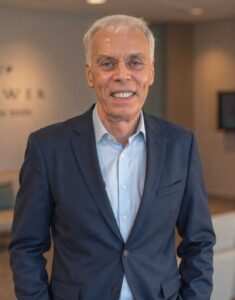 About David Nassief
David Nassief is the author of the ‘One-Page Wealth Compass.’ After hitting #1 as an Amazon Hot New Release in its first week, the book’s momentum only grew—topping the Amazon charts in its second month across the Retirement, Investing, and Budgeting categories.
This success is the culmination of a journey that began with a total financial disaster. When David was fired at 63, he was on a fast track to being broke by 65. Standing in a scorching Phoenix parking lot with eighteen years of his life in a cardboard box, he realized he had no Plan B. Driven by the weight of protecting his family’s future, David turned desperation into an obsessive six-year mission. He became a “human filter,” reading and summarizing 21 seminal finance books and 13 top-tier podcasts to strip away the complex Wall Street noise. He distilled those raw, essential principles into a single, actionable tool: the One-Page Wealth Compass.
While David holds a B.S. in Accounting, his true expertise comes from the “school of hard knocks.” By age 69, he achieved the impossible, building a seven-figure investment portfolio and total financial independence. Today, he lives in Arizona with his wife, Mary, enjoying the peace of mind that comes from a “Set it and Forget it” financial life. He wrote this book to be the success compass he wishes he’d had 40 years ago, proving that no matter how close you are to the edge, it is never too late to navigate a direct path to freedom.
Connect with David:
LinkedIn: https://www.linkedin.com/company/111549991
Website: https://onepagewealthcompass.com
YouTube: https://www.youtube.com/@onepagewealthcompass
Book: https://www.amazon.com/One-Page-Wealth-Compass-Nearly-Millionaire-ebook/dp/B0G5JPX17R