
Have you ever wondered how introverts can thrive on stage and conquer self-doubt, even when anxiety and imposter syndrome are in the way? In this episode of Speaking with Confidence, we dive deep into the journeys, frameworks, and behind-the-scenes realities of overcoming hesitation so you can step up and speak out—no matter how nervous you may feel.
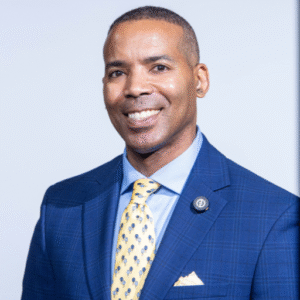
Today, I’m excited to welcome my friend Michael Pope: an international keynote speaker, leadership coach, and author of Doers Win the Day. Known as the Hesitation Breaker, Michael Pope brings over two decades of IT and leadership experience, having transformed software developers into adept people developers. His expertise centers on productivity, overcoming hesitation, and equipping high achievers and introverted professionals with the tools they need to succeed.
We explore the unique challenges introverts face when the spotlight is on. Michael Pope opens up about his process for “recharging on demand” after high-energy engagements and the importance of being present and available to audience members after events—even if it feels uncomfortable at first. We also discuss practical networking strategies, like attending events with a purpose-driven list of connections, and why you must add value to others before asking anything in return.
A major highlight of our conversation is imposter syndrome and the excuses that creep in. We talk candidly about those moments of hesitation—like almost inviting a dream guest on the show but never quite hitting send.
We unpack Michael Pope’s signature DOER framework (Discipline, Opportunity, Eliminate Excuses, Responsibility) and how it applies not just to speaking, but to every area of personal and professional growth. He gives real-life examples of stretching outside your comfort zone, preparing for high-stakes talks (and recovering when things go wrong), and the importance of coaching and mentorship—no matter how seasoned you become.
Here’s what we cover in this episode:
- Why sharing personal stories (especially about family) builds trust and relatability
- Strategies for introverts to thrive on stage and in back-to-back networking environments
- The necessity of approaching events and networking with a clear, value-driven purpose
- The DOER framework and how to use it to push through hesitation, excuses, and fear
- Real talk on imposter syndrome and actionable ways to move past it
- How joining Toastmasters and investing in coaching can fast track your progress
- Surprising lessons from sharing the stage with legends like Les Brown and learning from mentors like Roddy Galbraith
- The process of preparing for a major keynote event—from understanding the client’s goals to practicing with intention
- When technology fails: staying cool, calm, and professional under pressure
- The power of recording yourself and constructive self-feedback for brand-new speakers
- Why celebrating small wins every day fuels growth and momentum for the long haul
If you want to find your authentic voice, build rock-solid speaking habits, and finally stop holding yourself back, you’ll want to listen to every minute of this episode. Tune in, take notes, and remember: your voice has the power to change the world—but only if you’re brave enough to use it.
Want to be a guest on Speaking With Confidence? Send Tim Newman a message on PodMatch
Speaking With Confidence
Formula for Public Speaking
Facebook
Transcript
Tim Newman [00:00:00]:
Welcome back to Speak with Confidence podcast that helps you build the soft skills that lead to real results. Communication, storytelling, public speaking, and showing up with confidence in every conversation that counts. I’m Tim Newman, a recovering college professor turned communication coach, and I’m thrilled to guide you on your journey to becoming a powerful communicator. Today’s guest is Michael Pope. Michael has 20 plus years in IT and leadership development and has transformed software developers into people developers. He is an international keynote speaker and leadership coach known as the Hesitation Breaker and the author of Doers Win the Day. He speaks to high achievers, corporate professionals and coaches leaders on productivity, leadership and overcoming hesitation.
Tim Newman [00:00:53]:
Michael, welcome to Speaking with Confidence.
Michael Pope [00:00:55]:
Tim, thanks for having me on Speaking with Confidence.
Tim Newman [00:00:58]:
You know, we connected, you know, on a zoom call, you know, a couple months ago, but in person in August, and we’ll come back to that. But before we get started, I want to bring up something that really kind of you did that really kind of resonated with me. I saw a post that you did on LinkedIn, oh, a few weeks ago where, where you said you went and witnessed your sons get black belt and karate.
Michael Pope [00:01:25]:
Yes.
Tim Newman [00:01:26]:
And one of the things that, what resonates me is people that actually talk about their families and their stories and in their, in their post. Because for me, that’s what I do. My stories are about me and my kids, my family, whatever it is. And to me that, that’s, that shows a different kind of person and what family actually means to them.
Michael Pope [00:01:46]:
Absolutely. Yeah, it means a whole lot to me for sure. My wife and I have three sons and they’re all in karate. Three black belts. So.
Tim Newman [00:01:55]:
Yeah, dude, that’s awesome. You don’t have to worry about, you know, protecting your house, him. It’s all, everything’s all taken care of, you know, but it’s, it, to me, it’s important and shows what, what is what other people are important. What, what is important to other people. Let’s just put it that way. And that’s kind of how we, or, or how I look at it. You know, it’s, it’s, it’s, it’s about that. But you know, we, like I said, we connected at International Maxwell Conference in August and you were on stage and we, we connected after that and when, when people go on stage, you know, maybe I look at things differently, you know, know, I remember what you talked about.
Tim Newman [00:02:38]:
You talked about the value framework in, and, and teaching people how to use, you know, go high level and that type of thing. So, you know, I’m sure a lot of people come, come off and say, michael, you did a great job. But what, but what did you learn? But you’re an introvert like I am. How do you react and how do you handle as soon as you get off stage and people are, are bum rushing you, they want to talk to you when they congratulate, good pictures and that and that, that type of thing.
Michael Pope [00:03:04]:
Yeah, great question, Tim. As an introvert, and you know how introverts are, right. Normally we want to be alone, especially after giving of ourselves. A lot of times we want to go back and, and just recharge. What I’ve learned is as a speaker, I owe it to my audience to be present, right? So people want to come up and take pictures, they want to come up and ask questions. I owe it to them to be present. So what I do is I’ve learned how to quickly, within seconds, just refresh my mind and change my state to a, a state of giving, right? And I’m looking at, okay, how can I add value to this person? Even if I’m tired, I can still push through it and open up and connect with them. And it takes me out of my comfort zone as an introvert, However, I owe it to the audience.
Tim Newman [00:03:57]:
Well, and you know, that, that really does say a lot. And again, let’s look at it from, from the introvert’s perspective because I’m, I’m also a raging introvert. And you know, when you, when you come off the stage. And so I look at it like this. When I go to a networking event and I teach people, you know, go in with purpose.
Michael Pope [00:04:17]:
Yes.
Tim Newman [00:04:18]:
When you go to a conference, going with purpose, don’t just, you know, because if you don’t, you’re going to be overwhelmed and you won’t get anything accomplished. And so like when I went to imc, that was first, my first time at imc, one number one, I had no idea what to expect. But there were a number of people that I wanted to connect with. They were on my list, right. I want to connect with this person. I want to talk to them or learn about this and this.
Michael Pope [00:04:39]:
That, that’s such a smart technique to go into a networking event, right. You got to absolutely teach that. Because going in with purpose was a list that’s, that’s so smart, right?
Tim Newman [00:04:50]:
And when you go with that list, don’t just go, hi, I’m, I’m Tim. Bring value, right? You, because, because you’re, you’re. Look, you want to add that if you want to get value back you have to add value, you know, so you should know who these people are or know something about them. So that, number one, there’s a conversation starter that there’s something in common that you all can. Can build on or whatever. That. That’s the other thing that, that’s really important. But there were, like, there were five key people that were on my list, and you were one of them.
Tim Newman [00:05:19]:
And I’m so glad that we did get a chance to connect. And, you know, we talked about, you know, another person that was on the list that I didn’t get that. That I’m gonna have to get outside of my comfort zone if I’m ever really going to be able to connect with that person. Because high profile person, always surrounded by people, always trying people. Other people are trying to take that time. So as an introvert, we have to figure those things out.
Michael Pope [00:05:44]:
Yeah. I say. I say you need to invite her to your show.
Tim Newman [00:05:48]:
You know what I. Here’s. Here comes the truth. Here comes the truth. Because we got to be honest, right? I’ve almost done it five times. I’ve almost done it five times, so I haven’t done it yet. It’s that imposter syndrome. Why would she want to come on my show?
Michael Pope [00:06:07]:
Been there. Been there. Yeah.
Tim Newman [00:06:08]:
And, you know, part of it. And honestly, one of the things I’ve been doing is what’s. What’s my value proposition to her to get her to. To spend an hour and a half with me and my audience. That’s what I have to figure out because I’m sure, you know, I’m sure she gets requests every day, and she’s just, you know, one of the things that you learn is you have to figure out how to spend your time and who you can spend your time. So what kind of value can I bring for her to be able to come on the show? And, you know, I’d like to brag, you know, we got a pretty good sized audience here. You know, we, you know, we’re. We’re ranked pretty high in, you know, worldwide.
Tim Newman [00:06:51]:
But what kind of value can we bring? Because I know she’ll bring value, period. I mean, every. Every time I’ve heard her speak, she brings value.
Michael Pope [00:06:57]:
Yes.
Tim Newman [00:06:58]:
That’s your thing. So get outside your comfort zone. Do the hard thing. As Ryan Leak would say, do it scared.
Michael Pope [00:07:06]:
Yeah, absolutely. Do it scared. Be willing to fail. Right?
Tim Newman [00:07:08]:
Yeah, exactly. Exactly. So one here we’ve talked a number of times about. There are so many IT professionals in this space because for whatever reason, they’re trained they’re highly technical. They don’t necessarily have to deal with people. But to progress anywhere, you have to learn how to communicate.
Michael Pope [00:07:31]:
That was me growing up, for sure. Even when I started my. When I first started my career, Tim. I remember I would sit at the table and they would say, hey, we’ve got this problem. Anybody have any ideas? And I’m a natural problem solver, so I would solve the problem in my head, but I wouldn’t raise my hand because I was like, oh, somebody else already have that. Or I figured it out too soon. Like, I would doubt myself, right? And then someone else will answer the same thing I was thinking about. And then I felt really bad because I was like, oh, I knew the answer, I knew I had to write and I didn’t speak up.
Tim Newman [00:08:05]:
And so how did you get over that?
Michael Pope [00:08:08]:
For me, it was personal development. Right. I started reading personal development books and then I ended up joining Toastmasters in 2003. And that started the process of me learning how to effectively use my voice. And Toastmasters gave me an audience of people who would pay attention to you speak. And as an introvert, normally it’s hard for us to get, you know, into a conversation, right? You think you put an introvert in a room with a bunch of people who are already talking, the introvert is just going to be sitting there nodding their head because they’re not going to be getting words in. But Toastmasters put me in an environment where I was able to speak. I had people, you know, clapping for me, give me feedback, and that really changed me.
Michael Pope [00:08:52]:
It took a while for me to overcome that fear, but that really, that process really changed me. Tim.
Tim Newman [00:08:57]:
Yes. So let’s put. Let’s kind of put this in perspective. My guess, there were 1500 people when you were speaking at IMC in the room.
Michael Pope [00:09:08]:
Didn’t even count it.
Tim Newman [00:09:09]:
But yeah, I saw somebody at the door with a clicker there. But there was a lot. There was a ton of people there. I mean, this is not, you know, a 25 or 30 person. This was huge. It was packed. And so you go from sitting at a table, you know, petrified, to open your mouth about answering a question to given a profound, impactful, value packed presentation for 45 minutes. That’s a lot of growth.
Tim Newman [00:09:39]:
And that’s one thing I hope my audience understands. Just because you’re here now doesn’t mean that’s where you have to stay.
Michael Pope [00:09:45]:
Absolutely.
Tim Newman [00:09:49]:
So finding that way, how did you end up at Toastmasters? Were you nudged in that direction? Did you have a mentor Or a coach or someone say, Mike, walk me through your journey, how this happened.
Michael Pope [00:10:01]:
Yeah, so this was back in early 2000, like I mentioned, and I was into personal development. So one of the things, you know, I’m 51, so I had cassette tapes at the time and I was listening to a cassette tape from Brian Tracy on about it was something about how to develop confidence or some confidence was a part of the title of his program. And so I was listening to it and he said, one of the things that will help you out is joining Toastmasters. And I remember hearing about Toastmasters before, but I never really looked into it. But after Brian Tracy said that, I went and found a Toastmasters Club. I showed up and then I. I’ve been a member 20 plus years now.
Tim Newman [00:10:38]:
So do you still still go to meetings on a weekly or monthly basis?
Michael Pope [00:10:43]:
Yes, yes. Yeah. I’m currently active in two clubs. I’m also very active in my district as far as doing presentations, helping other speakers as well. So very active.
Tim Newman [00:10:56]:
So, so let me, let me follow up here real quickly. You help other speakers. This is something that, you know, I try and harp on a lot. If we want to get better, we can’t just get better for us. We have to pour into other people. We have to help. You know, sometimes it’s like pulling teeth. I’m dragging you along.
Tim Newman [00:11:18]:
Come with me because, you know, you can do this, you can get better, you can. You know, there’s other people out there that need that help. And if we’re in a position to help people, we should be, we should be doing that willingly for those that want to do the work.
Michael Pope [00:11:32]:
Absolutely. And you learn. So I know for me personally, I learn more if I’m helping someone else overcome their fear of public speaking, then it forces me to remember back when I had those fears and think about the processes that I use as I’m coaching them through it. And so this is just a win, win scenario.
Tim Newman [00:11:52]:
It really is. And I can’t. So I’ve been involved with Maxwell leadership team for about six, seven months now. You a lot longer. The coaches that we have access to, the mentors that we have access to, number one, are incredible. I mean, and let’s just talk about Roddy Galbraith for just a second. I don’t think I’ve ever met somebody who is so willing and accessible. I mean, I could email him today, you know, let’s just say three o’ clock.
Tim Newman [00:12:24]:
And if he doesn’t get back to me today, I’ll have something when I wake up. In the morning with a comment or whatever. He listens. You know, we can send him videos. And he.
Michael Pope [00:12:34]:
Good job.
Tim Newman [00:12:37]:
It’s funny because my wife now hears him and she’s saying what he says, but, you know, before I get out, good job. God bless. And.
Michael Pope [00:12:46]:
And it.
Tim Newman [00:12:46]:
But he’s. He’s spot on.
Michael Pope [00:12:48]:
And.
Tim Newman [00:12:49]:
And if you, you know, if you track, at least for me, if you track video one and you’re working on the same thing to video five, you can, you can see and hear the progress. What. What’s something that he’s taught you?
Michael Pope [00:13:04]:
Well, so, one, I admire the way he breaks down a speech. Yeah, right. Because when I, When I attended my first IMC and he broke down John’s keynote speech, as far as these are the number of stories John told, these are the examples John did, and here’s where he put the points in. So that helped me really understand how to organize a keynote effectively because my logical brain would just be, teach, teach, teach, teach. And Rod is like, no, you can’t just teach, teach, teach. Right. You’ve got to break it up. You’ve got to have those stories in there.
Michael Pope [00:13:36]:
Some. Some type of analogy where the audience can connect. So that’s really helped me out when I went through stage time, and I’ve participated in his stage time multiple times. Like, I feel we always submit videos to him for that. But I remember one particular speech I was talking about my grand. My Grandpa Joe. And I remember the beginning, like you said, the first speech versus the one I gave on stage. It was amazing.
Michael Pope [00:14:03]:
The transformation. Like, there’s things when I first delivered it, I was like, oh, this is great. There’s no changes. Then Ryan was like, no, okay, change this or you’ve got too many points. And it’d be one point for this three minutes. And right. This little things I didn’t think about before.
Tim Newman [00:14:18]:
Right.
Michael Pope [00:14:19]:
It gave me them little small tweaks along the way, which, which gave me a framework to make all my other speeches and stories better.
Tim Newman [00:14:27]:
Yeah, let’s get back to framework in a second. But I’ve got another question. I’ve seen you with a lot of videos with Les Brown.
Michael Pope [00:14:35]:
Yes.
Tim Newman [00:14:35]:
Tell me about that interaction, because that’s. That to me is. I’d love to spend 10 minutes with him too.
Michael Pope [00:14:41]:
You know, Les Brown is. He’s an amazing human. Right. I. I grew up listening to him when I was younger because for me, he was like, probably like the only black speaker on the stage at that. At his level. And he’s still doing it today. Right.
Michael Pope [00:14:58]:
He’s still on top, and he’s 80 years old. So I’ve had opportunities. I had opportunity to interview less in person. I had opportunity to speak on the same stage as Les a couple times, and he gave me an endorsement video. So I remember sitting back, having lunch with Les and this. Asked him, hey, Les, will you record a testimonial for me? He was like, sure. You know, we grabbed the phone. He did it at one take.
Michael Pope [00:15:23]:
He was like this, okay, Boom. And his. Mine is so sharp. Like, he actually. Tim. He took. He asked me a couple of questions, and then he retold my story. A story by means.
Michael Pope [00:15:35]:
He’s like, hello, ladies and gentlemen, I’m Michael Pope, blah, blah, blah, Right? And I was sitting there blown away of how he just took that little information that I gave him and put it into a story format. He brought in quotes. He’s very sharp. Brought us, like, some nice quotes to tie it in together. Oh, absolutely. Amazing. Human.
Tim Newman [00:15:55]:
That’s. That’s awesome. And, you know, when I. When I think about it, you know, they’re. There are special people like that, right? That the one. They’re incredibly intelligent, brilliant, brilliant people. Brilliant people. And to be able to continue doing those things at 80.
Tim Newman [00:16:15]:
Because they’re continuing to do those things.
Michael Pope [00:16:17]:
Exactly.
Tim Newman [00:16:19]:
They can. Right? You know what I’m saying? Right. So they’re not. Okay, I’m 75. It’s time to sit back. No, I’ve got to give. Be consistent. Continue to give back.
Tim Newman [00:16:30]:
Continue to provide value to other people. And that has. That’s. I mean, that when you look at the older generations, when they get to a certain age, they stop doing things, and that’s when their mind starts to go. That’s when other things happen. But if you continue doing things that you love and you’re passionate about, that you’re good at, and providing value to people, you can do these things for. For a long, long time.
Michael Pope [00:16:50]:
Absolutely. Like, he. One of the things he says, he says. He said, I’m gonna die with a mic in my hand. He’s like, I’m Keep speaking as long as I can. And he’s. He’s gone through some major health challenges that would have caused most people to sit back and retire. You know, but he’s.
Michael Pope [00:17:06]:
He’s. He’s still at it. He was in, I think, Florida a couple of weeks ago. I remember seeing pictures on Internet, but I think he was at Paul Martinelli, held an event, and Les Brown spoke part of that. I think it was either. It was either in Texas or Florida. I don’t remember now, but that’s awesome.
Tim Newman [00:17:23]:
It’s amazing. And, you know, when. When John Maxwell, you know, said, you know, a couple weeks ago, that dude 78, right? Yeah, dude is 78. He’s writing three books. Come on now.
Michael Pope [00:17:34]:
Exactly.
Tim Newman [00:17:37]:
I struggle. I just finished writing one, and I’m like, oh, I got. I gotta take a nap.
Michael Pope [00:17:42]:
Yeah, he’s writing three books. He’s speaking all around the world. Right. He’s still going all these different countries, doing his transfer, like this guy back from Argentina doing a transformation trip. And. Yeah, but he’s. He’s living with purpose, right?
Tim Newman [00:17:55]:
And. And that’s the thing. That’s at least for me. You know, I tell people I’ve been looking for this for. For a long time. Right. And, you know, that. That found the people, and it’s something that has reinvigorated me and got me more passion back into doing what I do, and it’s amazing and just how much I’ve learned in six months, how much better I’ve gotten in six months.
Tim Newman [00:18:25]:
And I’ve never told anybody this publicly. My wife and I have talked about it. I want to do what Roddy does. I don’t necessarily want to be, you know, the. The Johns or the lessons. Right.
Michael Pope [00:18:39]:
Yeah.
Tim Newman [00:18:40]:
I want to be Roddy. I want to be the guy that helps other people become John and Les.
Michael Pope [00:18:47]:
That’s awesome. I’m sure that’s great fulfillment for Roddy. Right. Just seeing all these other amazing speakers go out and. And because he’s seen us, like, struggle, like, he. He saw Chris Robinson struggle, and then he sees Chris on, you know, big stages all around the world.
Tim Newman [00:19:02]:
Yeah.
Michael Pope [00:19:03]:
So. Yeah.
Tim Newman [00:19:03]:
Yeah. And so I’m actually going to see both Chris and Roddy here in a couple weeks.
Michael Pope [00:19:10]:
Oh, congratulations.
Tim Newman [00:19:12]:
And I’m going to tell. I’m going to tell Roddy that. I’m going to say that that’s. That’s what I’m. That’s what I want to do. That’s what I’m working towards. That’s. That’s the.
Tim Newman [00:19:19]:
The. The direction that. That. That I want to head. Because I. I think, you know, I. I end each podcast with your. Your voice has a power to change the world, but you have to be able to use it, and you have to know.
Tim Newman [00:19:32]:
You have to know how to use it. You have to. To. To be able to formulate the. The thoughts and the feelings and the ideas so that people can actually understand what you’re. The points that you’re. That you’re trying to make and that leads me to the framework. Let’s get back to it.
Michael Pope [00:19:50]:
Yes, yes.
Tim Newman [00:19:51]:
And I think frameworks for, for most people are really what they need. We don’t need abstract ideas. We need easy to use, easy to understand pathways. And I’ve been using frameworks for pretty much everything. And if I find something that works, that’s what I do. It becomes a go to, it becomes habit. So talk to me about some of the frameworks that you’ve built.
Michael Pope [00:20:23]:
Absolutely right. So James Clear says you don’t rise to the level of your goals, you fall to the level of your systems. And so systems in our case is framework, Right? That’s all it is, a repeatable process. And for me, one of my biggest frameworks that I use in almost every area of my life is my doer framework. And I wrote a book on it. Doers win the day here. So it’s an acrostic. My framework, D O E R is the, is the acrostic.
Michael Pope [00:20:51]:
And when it comes to speaking, I use the same thing. So D in for speaking endure would be discipline. And I learned from my mentors, Tim, that I have to have to discipline myself to study other great communicators, right? She told me to study other speakers. She gave me books, CDs, VHS tapes back in the day of these amazing speakers. And I continue to study speakers, which is why I’m constantly connecting with other speakers and learning from them. Not trying to copy them, but learning from them. How do they connect with their audience, how do they tell stories, all of that, right? So that’s part of the framework, the D discipline, the O is typically for either one thing or when it comes to speaking, it was the opportunity. So my mentor, when my first speaking mentor, she told me, she said, michael, take advantage of every opportunity to speak.
Michael Pope [00:21:42]:
And Tim, she knew that I was introverted and that I wouldn’t speak up in meetings. She said, when you go to a meeting, ask a question, add value in that meeting. When you come to a. If you come to a Toastmasters Club and there’s no speeches that day, she said, I want you to get up and give a speech. And she constantly stretched me. Hey, there’s an opportunity to speak over here. Go say yes, go speak. Even if you don’t feel ready, go speak.
Michael Pope [00:22:05]:
Right? So that was, that’s part of my framework. He has taken advantage of every opportunity to speak. The E in the doer acrostic is eliminate excuses. I learned from another one of my mentors about how excuse sight is a failure disease. And I learned to start eliminating any excuses that were holding me from doing something. So if I’m feeling nervous about speaking somewhere and the topic is in alignment with me, then I just. I go ahead and do it, right? I break free. Free from that.
Michael Pope [00:22:35]:
Even if I’m a little nervous, it’s a bigger stage. And I. I’ve been places before. I mentioned earlier about speaking on the same stage as Les Brown. So I actually spoke right before Les Brown.
Tim Newman [00:22:46]:
Oh, my.
Michael Pope [00:22:47]:
And he. He called back to my. Something I said in my speech, which was pretty cool. But you think about, like, being on the same stage of him and imposter syndrome sitting in, setting in, like, do you even deserve to be here? Right. You deal with that little type of things, but eliminating excuses. So I had to break free from those excuses. Those. That hesitation is holding me back and do it anyway.
Michael Pope [00:23:08]:
Right. And then R, for me is all about responsibility. So it’s personal responsibility for the two things that I have complete control over. One is my attitude, and the other is my actions. That’s it. So I’m in control with the way I think. My attitude about it could either be a positive attitude, and I use affirmation to help me with that. But my part of my framework is getting myself in the right frame of mind.
Michael Pope [00:23:31]:
So before I go speak, I’m letting myself, hey, Michael, you are amazing today. You’re going to do great. Your audience loves you. They want to see you succeed. You’re going to add so much value to them. So I’m constantly telling myself things like that to change my attitude. And then my actions are just me doing what I can control. So that means preparing for my speech.
Michael Pope [00:23:49]:
Make sure that I know my content. That way, when I get on stage, I. I’m not thinking in my head about what am I going to say? I already know that. Like, that’s already taken care of. Instead, I can focus on the audience, making eye contact with people, sending them love and asking them questions, and feeling completely confident, knowing that I’m fully prepared for this presentation. So that’s kind of how I use my doer framework.
Tim Newman [00:24:14]:
Yeah, let’s go back to excuses for just a second.
Michael Pope [00:24:18]:
Yeah.
Tim Newman [00:24:21]:
With imposter syndrome, you know, we all have. We. Everybody has it.
Michael Pope [00:24:26]:
Yeah, absolutely.
Tim Newman [00:24:27]:
Everybody has it. It depends on when it shows up, how it shows up, and how we deal with it.
Michael Pope [00:24:30]:
Right.
Tim Newman [00:24:31]:
So when it comes to speaking for you, where does that come from? How did that happen? Is it just because, you know, you’re that. That introverted person? Or is there something else? Or how did that Because. And again, before you answer, I read in your book about your grandfather’s funeral and tore me up, dude. I was crying over it. And so tell me how the imposter syndrome happened, and did it happen because of that or before that?
Michael Pope [00:25:04]:
I say it happened before that. So I grew up as an only child, and being introverted, I was always slow to speak when someone would ask a question. So what would happen is I would be around other people, and then someone else would speak for me. They’ll say, oh, yeah, Michael doesn’t like that. Or, yeah, yeah, Michael doesn’t want to do that. He wants to go over here with us. And. And I got used to having other people speak for me, and it made it to the point where I was like, well, no one wants to hear my words.
Michael Pope [00:25:33]:
Right. So then I.
Tim Newman [00:25:34]:
Right.
Michael Pope [00:25:34]:
I would just tell those stories you tell yourself.
Tim Newman [00:25:36]:
Right.
Michael Pope [00:25:37]:
And so that’s kind of how I was. And then going back to my grand. My Grandpa Joe’s funeral, sitting on that row, wanting to. To share with my. His family, friends, loved ones that were there to, you know, for his funeral, wanted to share how wonderful Grandpa Joe was for me, how the type of impact he had made on me. But I was still consumed with the stories of, oh, what if I mess up? What if they don’t like me? Like, all those different what ifs that I was telling myself. No one else told me that. It was just things that I.
Michael Pope [00:26:08]:
That I thought.
Tim Newman [00:26:09]:
Right. And you and your grandfather had a special relationship. Yeah. So. And so moving forward did that. I know eventually you decided to take steps, but moving forward initially, did that make it worse? Or were you, uh. How did that change you?
Michael Pope [00:26:32]:
How.
Tim Newman [00:26:33]:
How did that evolve?
Michael Pope [00:26:34]:
It made it better because. It’s. Because I’ve had the opportunity to talk about my Grandpa Joe on so many different platforms, and I’m able to look back and see, okay, even though I didn’t speak up that day, I’m speaking up now. And I can still. I still learn so much from my grandfather. I mean, I still keep. So I talk in the story about how he wanted Thomas Jefferson’s Servant Leadership Award. I still keep that on my desk as a reminder for.
Michael Pope [00:27:02]:
For me, of just the type of man he was. Right. And it’s. Yeah. So it just. It’s just. It constantly reminds me of this, of creating the proper legacy, the type of legacy that I want to be able to leave, where when I’m gone, people can say, oh, yeah, Michael added so much value to me by doing this, or the way he served or the way he did this type of thing. And so it just fuels me.
Tim Newman [00:27:26]:
And that gets back to where you are today, doesn’t mean that’s where you have to stay again. Exactly. I mean, and you know, you’re going to be better tomorrow than you are today because you’re going to continue to work. Just like which, when I, when I found out, you know, six months ago that John Maxwell had a speaking coach, I said, well, if John Maxwell has a speaking coach, how come everybody doesn’t have a speaking coach? If he’s still at 70 some years old, still getting better. Why is it that I’m not getting better? Why is it that I’m not doing the things I need to do to get better? And that was a wake up call. I didn’t know that.
Michael Pope [00:28:06]:
Right.
Tim Newman [00:28:07]:
And so everybody can get better, but you have to do the work. You can’t just wish to get better. You have to actually do the thing. Right.
Michael Pope [00:28:15]:
Whatever. I paid thousands of dollars for speaking coach, like outside, even outside of the Maxwell team, even though I have access to people like Roddy and other people in the MAX team, I’ve still hired other coaches. I mean, I’m a part of multiple speaking programs where I’m learning from other people. So one is nsa, Ohio National Speakers Association. I’m a part of that organization, learning from those people. But I’ve also hired coaches, someone people to coach me one on one as well.
Tim Newman [00:28:42]:
And that’s just because you’ve decided to get better at your craft. Yeah, that’s, that’s what everybody, I mean.
Michael Pope [00:28:50]:
And, and I’ll say also. So I’ve decided to get better, which is, I think everybody wants to get better. But also I realized that I only have so much time left on this earth. So it’s like I can either stretch it out long and try to learn it myself, or I can get coaching to help me go further, faster.
Tim Newman [00:29:11]:
Yes. And that’s, that’s the real key, right? Yeah. Because the, the better you get, the, the better you get the quickest, the more value you can provide to other people.
Michael Pope [00:29:21]:
Absolutely.
Tim Newman [00:29:22]:
And that’s, that’s the, you know, that’s, that’s kind of the whole point of it, I, I would think, you know, and again, I got, I got to be honest, the excuses, I just, when we started this, I gave excuses why, why I didn’t reach out to the other person, why I haven’t asked her. Right. That’s. You got to take responsibility for that. And again, that’s one thing that I, for my listeners to hear that, that it’s not that I’m perfect either, because I’m no different than they are. So have still had the same thought process. It’s just taking steps to get better at it, taking steps to do whatever the thing is, recognize it and then taking new steps. Don’t just recognize and have a framework.
Michael Pope [00:30:08]:
Or, you know, a process in place to help you with that. Whenever you, whenever that hesitation, that fear shows up, you’ve got to have a process in place.
Tim Newman [00:30:17]:
Absolutely. What, what has been your, your, your biggest, I wouldn’t say fail, but your biggest embarrassment on stage. And how did you deal with embarrassment?
Michael Pope [00:30:36]:
I’m not even, I don’t have any big embarrassments that come to mind. But I’ll tell you about, I’ll tell you about an. I’ll tell you about one example of something that years ago would have been, I would have considered an embarrassment. So my wife and I actually flew to Jamaica. I had opportunity to speak in Jamaica last year at someone’s Live, the lead event. And you know, I showed up early, prepared, asked to do a tech check, but they, they didn’t want to do that. Like, they were like, oh, we got it, we got it. Right.
Michael Pope [00:31:09]:
The, the, the host introduces me to go speak. I was the first in person speaker. So I go up on stage, get ready to speak, and I see the person over the, the desk trying to unlock the computer to show my slides. So they had to wait for the host to come over and unlock the computer. They get the slides up. Well, they’re trying to get the slides up, but it won’t work. So about 20 minutes into a, I guess a 40 minute presentation, they finally got the slides working. Years ago, Tim, that would have, I’d have been floor because I’d have been like, what am I going to say? Everything is on the slides, right? Right.
Michael Pope [00:31:50]:
But thankfully I knew my content, I knew my story, so I was able to go through without my slides. And then once they got it working, I was able to quickly, calmly, you know, click, advance to it and then show them some of the things that I had mentioned just from stage. Right. But the audience didn’t really know, even though, like, they knew they were working on the technique. Everybody could see that in the room, but they, they were like, oh, wow, we didn’t, you didn’t even really need your slides. I mean, you were just so comfortable and all that. But that just takes preparation, right?
Tim Newman [00:32:22]:
You know, it’s preparation, practice. And you know, we, when I was teaching and I would ask the students what Their process is in Preparing for a 5 minute presentation or whatever, you know, doesn’t really matter. They would tell me the first thing they would do is open up PowerPoint. I said, no, that’s not, that’s probably the last thing that you should do.
Michael Pope [00:32:47]:
Exactly. I need it.
Tim Newman [00:32:49]:
Well, John doesn’t use PowerPoint. He doesn’t use slides, really. I mean, he has his iPad there and he just, most of us Wish.
Michael Pope [00:32:59]:
He used PowerPoint just so we can, so we can write down all the books and take a pill.
Tim Newman [00:33:02]:
Exactly, exactly. And, you know, but we’ve some, I mean, even as adults, we are so, I don’t know, tied into the, into the visual. Like, like that’s going to make or break everything. And the reality is that doesn’t have anything to do with it. What makes or breaks it. Is you the speaker? Are you, do you, are you providing value to the audience? Do you know who your audience is? Have you, have you done the work? Have you done the preparation? Have you done the practice? Have you done the things that you need to do to provide that value to the audience? Yeah, so, so what’s your process? Let’s say somebody calls you tomorrow, you know, to, to, to book you for a speaking engagement in three months. What’s your process to go from tomorrow to walking off the stage?
Michael Pope [00:33:56]:
Yeah, so the first thing I want to know is what does it, what does success actually look like at the end of the day for this audience? Right. So typically, if a company is bringing me in to speak, they have a goal in mind of, of what they want the audience to do. And if they don’t, I’m going to ask them questions to try to get to a goal. That way we got something to measure against. Right. So their goal is that, you know, they want people just to be inspired and take more action. Then we know we have a goal in mind. Right.
Michael Pope [00:34:24]:
So begin with the end in mind and then I can work better to figure out, okay, what framework is going to really help me give them that goal. And so I’ll outline some type of framework and typically when I, whenever I’m speaking, I organize my content in a framework because if I’m given a 45 minute keynote, I have it in a nice framework, then that way if I need to cut it because of time, I can take out part of the framework and it still flows fine. So I go through that process and then obviously I’m gonna, I’m gonna practice the store, I’m gonna find like, okay, what stories can help me connect these points and really make it more relatable to the audience and all that, right? So I’ll go through that whole part of putting the content together and practicing it and I’ll practice my stories. If I’m doing anything new, like I may take it to a Toastmasters Club and practice part of the presentation. I’ve done it a couple times. And then my goal, Tim, is to have the content down prior to going to the event. And then that way when I’m at the event, especially if it’s in person, I like to go in. Even I’m an introvert.
Michael Pope [00:35:29]:
Like, I like to go meet people and just connect with the audience a little bit beforehand, right? Because I’m not thinking about my content. I want to think about, you know, you and your needs. Why, you know, what brings you here to this event where you look, what are you hoping to gain today, right? Because then once I know that I can get on stage and as part of my process, actually before I even get on stage, if I’m, if I’m coming up, like up on a stage behind a curtain, I’ll look out at the audience. One of my mentors taught me this is look at as many people as possible and ascending, loving thoughts, thinking like, hey, I love you. I’m going to add value to you today. I love you. I’m going to add value to today. Right? So I’m just, I’m thinking about the audience and then when I get out there, of course deliver the content as, as rehearsed.
Michael Pope [00:36:13]:
However, still be flexible enough where if I need to engage with the audience or if I need to like, ask someone a direct question or something, right? I can, I can still mold that into my presentation so it feels natural. And then my process when I finish. So part of my refreshing moment is stopping to celebrate, right? So, you know, you get the applause, but when I’m walking off stage, you know, in my mind I’m thinking, Michael, you did an amazing job, right? I’m, I’m praising myself before I go out and talk to the audience, right?
Tim Newman [00:36:48]:
And I think that that piece right there is really important because it, it shifts your, your mindset from presenter mindset to to, to, to, to now just back being, wow, it’s really good. Now I can go and be myself, interact with people, you know, for, for however long it is. And, and again, I think a lot of things that we do that we don’t really think about from, from a different perspective is all mindset. It’s, it’s, it’s what mindset should we be in to do this? And what mindset do we need to switch into to go 10ft from here, Whatever that is. Because you can’t be in speaker mode when you’re interacting with people thinking about your flash.
Michael Pope [00:37:34]:
Why didn’t say this? Or you know. Right, right.
Tim Newman [00:37:37]:
Because then there’s going to be that disconnect. He’s not that personable person that he looked like up on stage. Right. It’s very different. And then you have that disconnect, which is.
Michael Pope [00:37:49]:
And I used to be like that. I’ll be honest. I used to be like that. Where someone would say, like to Tim, and you say, hey, Mike, you did a great job. I was like, oh, no. But I forgot to say this. I really wanted to tell the story like this or this example. Right.
Michael Pope [00:38:01]:
So I’m thinking all about me versus, you know, accepting, you know, praising, you know, thanking you for. For thinking that I did a great job.
Tim Newman [00:38:09]:
Right, Exactly.
Michael Pope [00:38:11]:
You know, as an end.
Tim Newman [00:38:14]:
And then they know that it wasn’t about them. With just in that half a second, they already know that you think it was more about you than them.
Michael Pope [00:38:23]:
Yeah.
Tim Newman [00:38:24]:
And you’ve lost all the credibility that you had built up.
Michael Pope [00:38:28]:
Yeah. And I made them feel bad because they, like, I went up and praised this person. Now he’s telling me how, you know, that it wasn’t good. Right. So some, some. I’m questioning your judgment.
Tim Newman [00:38:40]:
Exactly. You know, but it’s. I love that you talk about the having that framework and that preparation, because these things don’t just happen.
Michael Pope [00:38:50]:
Yeah.
Tim Newman [00:38:51]:
You know, you don’t just get up on stage and wing it. You don’t just go to a meeting and wing it. You don’t. You don’t go to an interview and wing it. You have to. To be successful at anything. I don’t care what it is.
Michael Pope [00:39:02]:
Yes.
Tim Newman [00:39:02]:
You have to prepare that a lot.
Michael Pope [00:39:06]:
In the 16, 16 undeniable laws of communication about that, the importance of the practicing and not winging it. Even if you think. Even if you’ve done it a million and one times. Right, right. You still practice it.
Tim Newman [00:39:19]:
And. And I keep bringing this back to John. You know, I listened to something very recently and it comes up a lot. You know, somebody asked him a question, what he’s thinking about before, Right before he goes on stage, and he said he’s thinking about how he can add value to the audience.
Michael Pope [00:39:36]:
Yeah.
Tim Newman [00:39:36]:
He’s not. He’s not thinking about, oh, do I need to tell this story? That story? How’s he going to add value?
Michael Pope [00:39:42]:
How that’s it changes you.
Tim Newman [00:39:45]:
It does, yeah. It. And, and if you, I think if you just change your mindset just a little bit and you know, do the things that, that are going to make you successful and start thinking about how, you know, the gifts that you have that can help other people, pour into other people, add value to other people for whatever it is. Right. It doesn’t really matter what, what it is because we all, we all have different skill sets, we all have different interests. But if we can help people get from where they are, from point A to point B, wherever it is they want to go, that’s really what this is about. And you have at least, at least, I think you have to be willing to do the work to be able to do that because you can wanna help them and you can be selfish about it and say, well, you just do it like this. That doesn’t, it doesn’t really help anybody.
Tim Newman [00:40:40]:
You’ve gotta help them the way they wanna be helped.
Michael Pope [00:40:42]:
Yeah, absolutely. You’re right. You gotta do their work too. Right. And that work happens when you’re not getting applause, when you’re not on stage in front of people. Right. You, you’re in a room by yourself and you’re practicing your content. Either it’s out loud or you’re practicing in your head, but you’re still doing the work.
Michael Pope [00:40:57]:
So that when you do show up on stage, everyone knows you did the work. It’s going to seem natural.
Tim Newman [00:41:05]:
Yeah. And it’s critical. And I think that, you know, I talk, talk a lot about knowing your audience and what they want, what they, you know, why are they there? You know, how can you pour into them, how can you give them the value that, that to me is before anything else. You know, what you said it was the outcome. What do you want? What success look like? But you have to know that before you even start opening up. PowerPoint.
Michael Pope [00:41:31]:
Yeah, right.
Tim Newman [00:41:32]:
Yeah.
Michael Pope [00:41:34]:
Pretty pictures and.
Tim Newman [00:41:36]:
Exactly, exactly. I was, I’m actually taking a class right now about. Teaching on zoom. Speaking on zoom.
Michael Pope [00:41:47]:
Oh yeah. Okay.
Tim Newman [00:41:50]:
And I’ve been doing it for years. But again, you want to get better. What are the new techniques? And we were discussing last night, I’ve got to do a different kind of presentation I’ve never done before at a conference here in January. It’s only five minutes. I say I can do it my sleep, but I already know what I want to talk about. But I haven’t scripted it out yet.
Michael Pope [00:42:14]:
I’ll tell you, it’s harder to do a five minute talk than it is to do a 45 minute talk.
Tim Newman [00:42:18]:
It is, it is. And, and I gotta thank Roddy for that too because, you know, with these, with these three minute ones, that’s really.
Michael Pope [00:42:25]:
That’S a lot harder.
Tim Newman [00:42:27]:
But it’s a, it’s a what they call Pecha, Kucha, whatever type of thing.
Michael Pope [00:42:31]:
Yeah, I’m familiar with that. Yeah.
Tim Newman [00:42:33]:
So. And now I have to worry about slides because you get one slide every.
Michael Pope [00:42:37]:
15 slider minute or whatever it does.
Tim Newman [00:42:39]:
It’s every 15 seconds.
Michael Pope [00:42:40]:
15 seconds. Yeah.
Tim Newman [00:42:41]:
So, you know, for me that’s, that’s a. Because I would never even think about the slides. That’s like the last I’m thinking about. Okay, this is what I want to talk about, but now I’ve got to think about. Okay, really what I want to talk about and how I’m going to incorporate that into a slide in 15 seconds or, or how that, that’s gonna be challenging, but it’s, it’s, I think it’s gonna be fun. It is, it really is. But if I would never suggest that to somebody who’s given a presentation for the very first time. Yeah, but what would you suggest for somebody who, who, for the, for, who lacks confidence for the very first time has to give a presentation? What would be your, your keys to success or steps to success for them?
Michael Pope [00:43:24]:
Yeah, I’ll say record yourself. So do it to yourself. Right? So pick your, that’s the beauty of our cell phones. Right? Grab your cell phone set, prop it up and record yourself delivering it. And then go back and watch it. But watch it with a non judging eye and just look at yourself to see how you sound. I, I, you know, I did a, so my, my oldest son is in a media class where he’s working on a podcast. And so we recorded his first podcast episode on Sunday.
Michael Pope [00:43:59]:
And you know, we did the intro, we played it back. He was like, do I really sound like that? Like, yes, that’s how you sound. Right. I had to explain to them differently in. Out of here. Right. But, but a lot of times a very brand new person has never really seen themselves speaking on video. And you got to get used to seeing it so that way you can give yourself proper feedback and make improvements.
Tim Newman [00:44:22]:
Yes. And, and it’s seeing yourself, listen to yourself is, is, is weird. And you got, you, you have to get over that quick. That, that’s, that’s, that’s a, you can’t harp on that. Just, just get over it and, and, and move on. Let’s talk about your, your book. Doers win the day because I, I’ll be honest with you. I, I enjoyed that book after I got done crying.
Michael Pope [00:44:45]:
Oh, thank you.
Tim Newman [00:44:47]:
It was, it was tough because I’ve been there. Right. Maybe not in that exact way that you were, but, but you know, knowing that you should have spoken and you didn’t, and you let that time, you let it go and understand once you let it, once that time passes, there’s.
Michael Pope [00:45:06]:
No getting it back.
Tim Newman [00:45:06]:
You don’t get it back. You don’t get it back. But I love the book. I love the whole idea of the book in and you know, to me the title says it all.
Michael Pope [00:45:18]:
Yes.
Tim Newman [00:45:20]:
So what was the, what was the process there for you? How did the book come about? Was it that, you know, you’re doing this framework and you’re doing, you’re doing what you’re doing and you say, and you said, well, this is what works for me, I should share it, or was it, you know what, I’ve got to figure out how I’m going to do or be or whatever, and came up with this and did the book. How was the process?
Michael Pope [00:45:48]:
Yeah, so I was asked to give a 45 minute keynote back in 2022. This is a large stage and when I was putting my content together, I organized it using Doer and I was like, oh, that that works perfect. And so I put that together and I gave that talk and then I started being asked to give other presentations. So I would take that DOER framework and I gave it over and over and over. And then finally I was like, man, I really need to make, turn this into a book. Because I did a, I did a five minute speech for NSA Ohio as part of a. Our graduation type program that we did and that was on Be a Door. And I was like, man, if I had had my book, it would have tied in so well with that.
Michael Pope [00:46:38]:
Right. So it’s like those missed opportunities, I’m like, man, I, I’m giving this speech, it’d be better for me to have a book to go along with it. And I had a mentor that told me the same thing. He said, you want to have a book based on your keynote speech? Okay, yeah, let me go and do that. So then it was really easy for me to develop it. So once I made a decision to deal with it, I put it together in less than a month. Yeah.
Tim Newman [00:47:04]:
I, I just kind of, I literally am finishing up doing the exact same thing. Yeah, I wrote a book about 12 years ago and I said, never do it again. And then I was on, but I was on a call with, with Mark Cole and he said something that, that just, it triggered me. It was like, that’s it. And it just happened, you know, and those are, those are good things. It was, it was, it was a good trigger. You know, that’s, that’s that to me, that, that was, it was like a key. But, but with.
Tim Newman [00:47:44]:
With Doers win the day one chapter that again really resonated with me was the idea of celebrating small wins.
Michael Pope [00:47:50]:
Yes.
Tim Newman [00:47:51]:
Because I, I think, I think so much. And, and this def. Is definitely, for me, I don’t celebrate small wins. That’s, that’s not, that’s not what winners do. Winners. We, it’s not over till it’s over. That’s just a step in the process. We’re not going to celebrate nothing until it’s over.
Tim Newman [00:48:07]:
And that was my mindset for the longest time. So talk about the whole idea of celebrating small wins and why that’s so important to our successes.
Michael Pope [00:48:16]:
Yeah, it is so important because if you wait till you win the super bowl to celebrate. Right. If you don’t celebrate that first win when you know you’re playing against this team, that’s just okay. Right. If you don’t celebrate that win, you’re never going to make it to the super bowl to celebrate the big win. Right. That’s why it’s so important to celebrate every day. So one of my son, you know, I mentioned before, I have three sons.
Michael Pope [00:48:41]:
My, my 17 year old, he’s still learning how to drive. So, so him and I will go out on a regular basis, teach them how to drive. But I always make sure that we, after we’re done, before we talk about areas of improvement and all that, we stop to, to recognize what he did well, so we can have something to celebrate. Right. That’s so important. Just to reinforce that, yes, I did this type of thing and we need that in our lives because a lot of people, Tim, they’ll wait till, you know, December 31st and they’re like, and they look back on the year and they’re like, oh, okay, I didn’t, I didn’t hit this goal. I didn’t hit that goal right there. They’re focused on what they didn’t do versus if every single day, if they celebrated, hey, I won the day today by doing this.
Michael Pope [00:49:27]:
I won the day today by doing this. Then at the end of the year, you’ve got so many different wins. You’re going to feel like you’re going to really see your growth because most of us don’t see our Growth. But once you, if you celebrate it every single day, you know, you’ve grown.
Tim Newman [00:49:42]:
Right. And it builds up momentum. Right? It builds that momentum. Just like if you have that negative self talk, that builds that momentum too. It’s exactly.
Michael Pope [00:49:51]:
It slows you down. You say, okay, why even try? Right? Yeah, you do that. Right.
Tim Newman [00:49:56]:
You know, you, you don’t do something on Monday, you say, well, okay, I’m just gonna take the week off. I’ll start again next, next week. That’s just. Guess what that, that turns in. I’ll start next month. Which that’s.
Michael Pope [00:50:07]:
Well, next year.
Tim Newman [00:50:08]:
July. It’s July. I’ll just, I’ll just start next year, you know, and, and that’s that, that’s what happens, right? I mean, you. Because you’re going to have bad days. I mean, it’s, there’s going to be days when you don’t get things accomplished, but you have to be able to look back and say, okay, well, I did get this accomplished. I did. I did do. I did do this or I did do that.
Tim Newman [00:50:26]:
And it’s about that momentum that builds consistency, that builds that desire to continue doing it. It’s just so important. And I think we, I think a lot of people need change. Mindset. Yeah.
Michael Pope [00:50:40]:
Right. So even something like this, like, know, I’m gonna, I’m gonna applaud myself for having a successful podcast interview because there was a time in my life when I wouldn’t have been able to do this.
Tim Newman [00:50:50]:
Yeah, absolutely.
Michael Pope [00:50:51]:
You know, without being nervous and feeling like I had to be perfect with every word and.
Tim Newman [00:50:57]:
Yes, nobody wants perfect anyway.
Michael Pope [00:51:00]:
Exactly.
Tim Newman [00:51:01]:
Nobody wants it. Nobody wants perfect, so. Well, Michael, thank you so much for, for spending some time with us.
Michael Pope [00:51:06]:
You’re welcome to.
Tim Newman [00:51:06]:
I can’t thank you enough. Where can people connect with you and find out what you’re doing?
Michael Pope [00:51:10]:
Yeah, So a couple places. One, you can get the book Doers Win the Day. You can go to doerswintheday.com you can also find it on Amazon and you can also connect with [email protected].
Tim Newman [00:51:23]:
Awesome. Again, thank you so much. Take care and look forward to catching up with you real soon.
Michael Pope [00:51:29]:
Thank you.
Tim Newman [00:51:30]:
Be sure to visit speakingwithconfidencepodcast.com to get your free eBook, Top 20 Challenges for Public Speakers and How to Overcome Them. You can also register for the Formula for Public Speaking course. Always remember, your voice has a power changer world. We’ll talk to you next time. Take care.
 About Michael Pope
Michael Pope Training, LLC provides Leadership Training, Executive Coaching, and Public Speaking Coaching. With 20+ years in IT and leadership development, Michael J. Pope Jr. has transformed software developers into people developers. His services—Professional Development, Corporate Training, and Technology Empowerment—equip leaders, speakers, entrepreneurs, and professionals to step into success. Trained by John C. Maxwell, Les Brown, and Dr. Joseph McClendon III, Michael delivers workshops blending proven tools with real-world strategies. An international keynote speaker and coach, he’s known as The Hesitation Breaker and author of DO-ERs Win The Day.
Connect with Michael:
LinkedIn: https://www.linkedin.com/in/michaeljpopejr/
Website: https://michaelpopetraining.com
Book: https://doerswintheday.com